


Egypt diplomacy US Iran efforts have intensified as Cairo expands its diplomatic outreach to reduce regional tensions and support renewed negotiations between Washington and Tehran. Egyptian officials say the focus is on preventing further escalation and encouraging political solutions to ongoing conflicts affecting the Middle East.
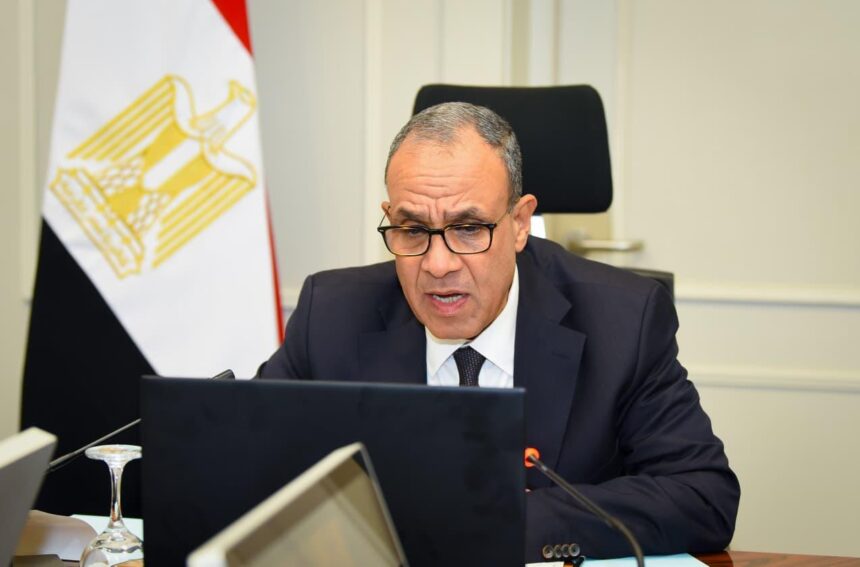
Egyptian Foreign Minister Badr Abdelatty has held a series of phone calls with foreign ministers from Oman, Pakistan, Kuwait, Brazil, and Canada. These discussions focused on regional stability, security risks, and ways to revive dialogue between the United States and Iran.
The Egypt diplomacy US Iran initiative reflects Cairo’s broader strategy of supporting de-escalation through dialogue. Officials stressed that negotiation remains the only realistic path to reducing tensions and avoiding military confrontation in the region.
In talks with Oman’s Foreign Minister Badr Albusaidi, both sides reviewed ongoing efforts to restart US-Iran negotiations. They emphasized that diplomacy is essential to achieving a ceasefire and long-term stability. They also warned that continued escalation could worsen regional insecurity.
Oman has historically played a mediating role in Iran-related negotiations, and Egypt’s engagement with Muscat reflects coordination among regional actors seeking peaceful solutions. Both sides agreed that dialogue should remain open despite current political challenges.
In a separate conversation, Pakistan’s Deputy Prime Minister and Foreign Minister Ishaq Dar also discussed the importance of resuming talks between the United States and Iran. He supported efforts to move toward a second round of negotiations, saying dialogue is the most practical way to reduce tensions.
The Egypt diplomacy US Iran approach also includes coordination with Gulf countries. Abdelatty spoke with Kuwait’s Foreign Minister Sheikh Jarrah Jaber Al-Ahmad Al-Sabah and reaffirmed Egypt’s solidarity with Kuwait and other Gulf states following a recent drone attack near northern border areas.
He stressed that Gulf security is closely linked to Egypt’s own national security. He also highlighted the importance of protecting international shipping lanes, especially key energy routes that are vital for global trade and stability.
Egypt has repeatedly warned that instability in the Gulf region could have wider global consequences. Officials say safeguarding maritime navigation routes is a priority, given their importance for energy supplies and international commerce.
At the international level, Abdelatty also held talks with Brazil’s Foreign Minister Mauro Vieira and Canada’s Foreign Minister Anita Anand. These discussions covered both bilateral relations and broader regional developments, including the situation involving the United States and Iran.
During these conversations, Egypt reaffirmed its support for restarting US-Iran negotiations. Officials stressed the urgency of resuming dialogue to prevent further escalation and reduce risks to regional peace.
Egypt diplomacy US Iran efforts also extend to the Palestinian issue. Cairo emphasized the importance of moving forward with the second phase of the US-backed plan for Gaza. It also called for sustained humanitarian aid delivery into the territory.
Egypt rejected continued violations in the West Bank and stressed the need for international action to protect civilians. Officials said that stability in Gaza and the wider Palestinian territories is closely linked to broader regional peace.
International partners, including Canada and Brazil, praised Egypt’s diplomatic role. They acknowledged Cairo’s efforts in promoting stability and encouraging peaceful solutions to ongoing conflicts in the region.
Egypt has positioned itself as an active mediator in several regional issues. Its current diplomatic outreach reflects a broader effort to maintain balance, reduce tensions, and support dialogue among conflicting parties.
Officials say Egypt diplomacy US Iran efforts will continue in coordination with regional and global partners. The goal is to keep communication channels open and prevent further deterioration of security conditions in the Middle East.
As tensions remain high, Egypt’s diplomatic push highlights the importance of negotiation over confrontation. Cairo continues to advocate for dialogue as the main tool for achieving long-term stability in the region.
