


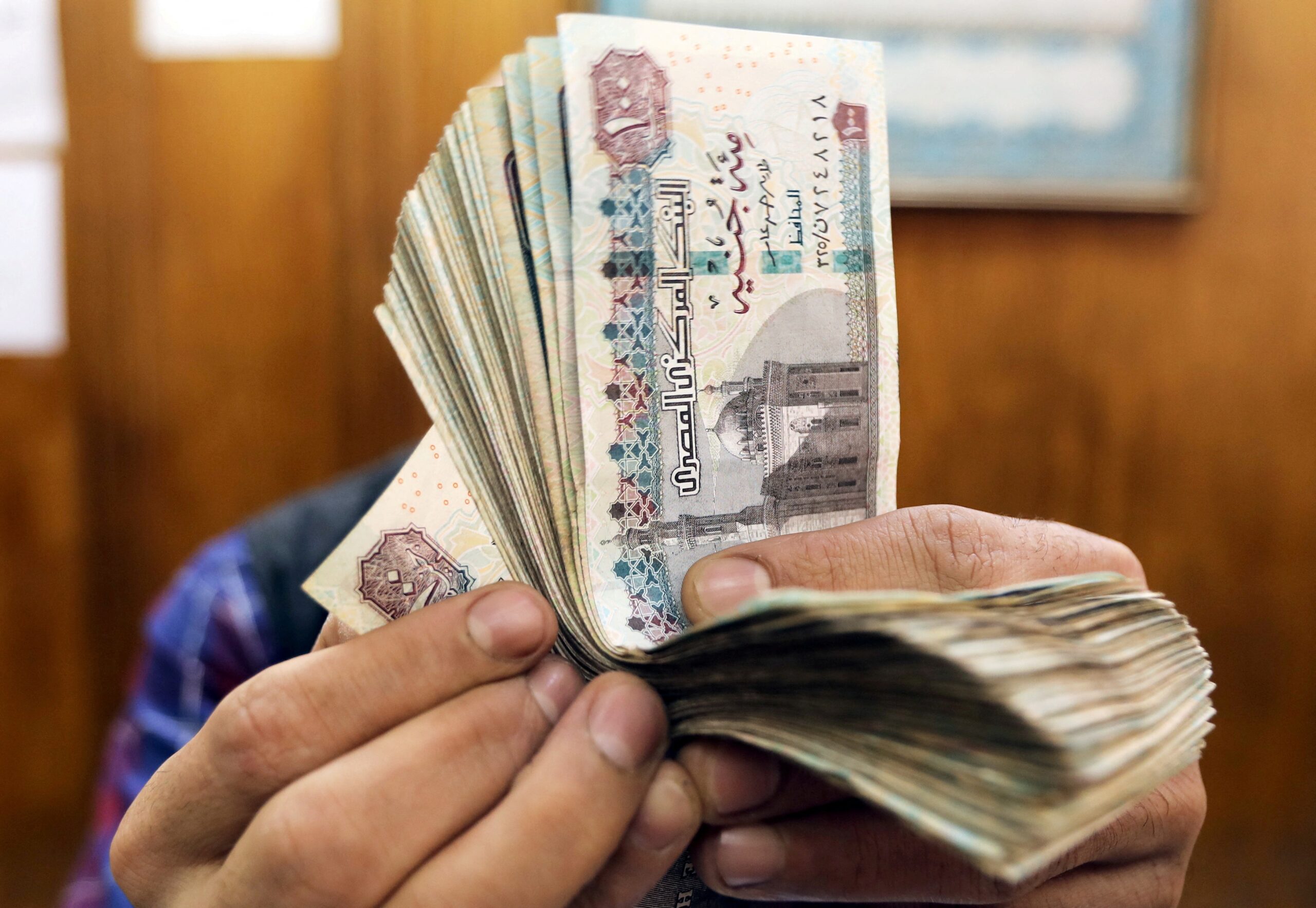
Egypt’s currency fell to a record low against the US dollar on Monday, October 26, adding pressure to an economy already facing uncertainty over regional security and financial conditions. Data cited in the report showed the pound reaching 56 to the dollar. The move came after a difficult trading session on Sunday, when the Egyptian Exchange temporarily suspended trading following a sharp fall in one of its main indices. The currency decline and market swings renewed attention on the challenges facing investors, businesses, and households.
A weaker currency can have a direct effect on the cost of goods that Egypt imports. Businesses that rely on foreign materials, machinery, fuel, or food supplies may have to pay more in local currency when the exchange rate falls. Some companies may pass part of those costs on to customers, while others may delay purchases or accept lower profits. For families, the effect can appear through higher prices for imported products and goods that depend on overseas inputs.
The pound had already moved beyond the 55-per-dollar level at major local banks earlier in October. The latest decline therefore extends a period of pressure rather than marking a sudden change without warning. Currency movements can reflect several forces, including demand for foreign currency, investor confidence, trade needs, and expectations about government policy. In Egypt’s case, regional uncertainty has added another concern for financial markets, as investors assess the possible effects of wider instability on the economy.
The stock market has also shown signs of nervousness. The country’s leading EGX30 index fell in early trading on Monday before recovering slightly, while the previous day’s sharp decline had prompted a temporary halt to trading. A market pause is designed to give investors time to absorb sudden moves and can help prevent panic from spreading too quickly. However, it does not remove the reasons behind a sell-off. Investors still need to assess company earnings, currency risks, interest rates, and the wider economic outlook.
Central Bank Governor Hassan Abdalla has defended the country’s flexible exchange-rate approach, describing it as a key way to respond to outside shocks. He has also argued that bringing exchange rates together is more important than trying to maintain one particular value for the currency. The approach differs from a system that attempts to hold the exchange rate at a fixed level even when market pressures increase. Supporters say flexibility can help reduce distortions, although it may also mean that the currency moves more visibly during periods of stress.
For businesses, the central concern is planning. Companies need to estimate costs, set prices, pay suppliers, and decide whether to invest. Rapid exchange-rate changes can make those decisions harder, particularly for firms that earn revenue in Egyptian pounds but need foreign currency for equipment or raw materials. Exporters may receive more local currency for overseas sales, but the benefits depend on their costs and access to imported inputs.
Households will be watching whether the currency decline feeds into everyday prices. The full effect may take time to appear, and it will differ across goods and services. The government and central bank face the task of maintaining confidence while managing external pressures and the cost of economic adjustment. The latest fall highlights how closely currency stability is linked to public confidence, business decisions, and the wider regional environment.
