


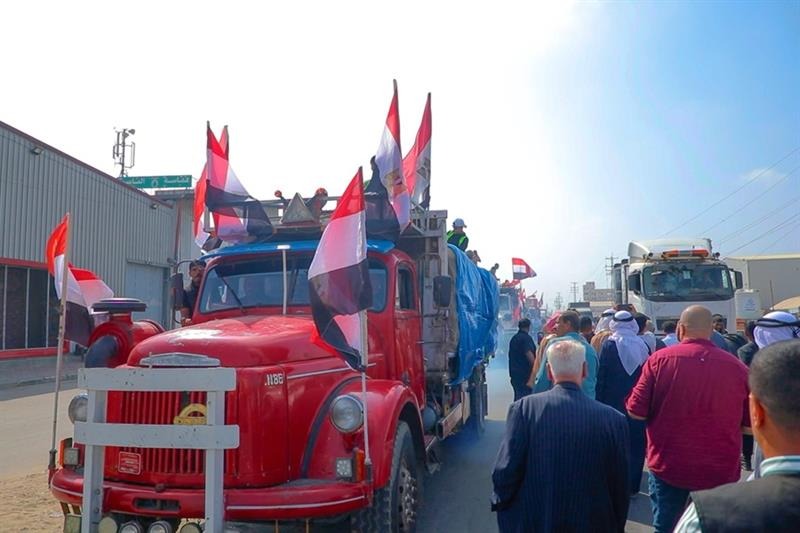
Egyptian relief efforts for Gaza are moving forward with plans for daily flour deliveries, as aid groups work to ease a shortage of bread and other basic food supplies. The Egyptian Relief Committee in Gaza announced on Sunday, October 25, that flour deliveries would take place each day from that date. The Egyptian Red Crescent has also launched preparations for flour shipments and food baskets. The efforts come as families in the territory continue to face serious pressure in securing everyday essentials, making reliable access to food a major humanitarian concern.
Flour is a basic ingredient in many meals and is especially important where bread forms a large part of daily food. When supplies become scarce, families may have to pay more, reduce the amount they eat, or rely on aid organisations for help. The effects can be especially hard on households with children, older people, or family members who need special diets. A regular supply of flour can help bakeries and households prepare food more reliably, although deliveries must be large and consistent enough to meet the scale of need.
The committee’s announcement signals an effort to provide more regular support rather than depend only on occasional shipments. Daily delivery plans can help aid groups organise storage, distribution, and coordination with local partners. However, the success of such work depends on several factors, including the amount of flour available, the safety of transport routes, the condition of roads, and the ability to reach communities throughout Gaza. Even when aid has been collected, delays at crossing points or problems with distribution can prevent it from reaching the people who need it most.
The Egyptian Red Crescent plays an important role in preparing humanitarian supplies and coordinating relief activity. Its work can include collecting food, sorting and packing essential items, and arranging transport for shipments. Food baskets can provide a range of basic goods to families, while flour supplies can support bread production and other local food preparation. These efforts are most effective when aid groups coordinate with local organisations that understand which communities have the greatest needs and how supplies can be distributed safely.
The wider food situation in Gaza remains a major concern for humanitarian organisations. Conflict and damage to infrastructure can disrupt food production, transport, storage, and access to markets. Families may also struggle to earn income or reach shops, even when some goods are available. When supplies are limited, prices can rise beyond what many households can afford. Aid deliveries therefore need to be paired with safe access, reliable distribution, and continued support for essential services.
Regular food deliveries can provide immediate relief, but they cannot solve every problem facing Gaza’s population. Families also need access to clean water, medical care, shelter, and functioning sanitation systems. Food preparation depends on fuel, safe cooking areas, and access to clean water. Bakeries and other food businesses need equipment and supplies to keep working. Humanitarian agencies often stress that assistance must be sustained and able to reach people across the territory, rather than limited to a small number of distribution points.
Egypt’s role in relief efforts is also linked to its geographical position and its involvement in regional diplomacy. Egyptian organisations have supported aid operations for Palestinians, while officials have engaged with regional and international partners on the wider crisis. Relief work requires coordination among governments, humanitarian agencies, transport operators, and local groups. Clear procedures can help reduce delays and improve the chance that food reaches households in need.
The new flour delivery plan will be judged by how much aid reaches people and whether supplies remain available in the days ahead. Daily deliveries may help reduce pressure on families and support local bread production, but the needs remain substantial. Continued access for humanitarian shipments and effective distribution will be essential. For families facing shortages, the most important result will be whether promised supplies arrive consistently and provide enough food to make daily life more secure.
