


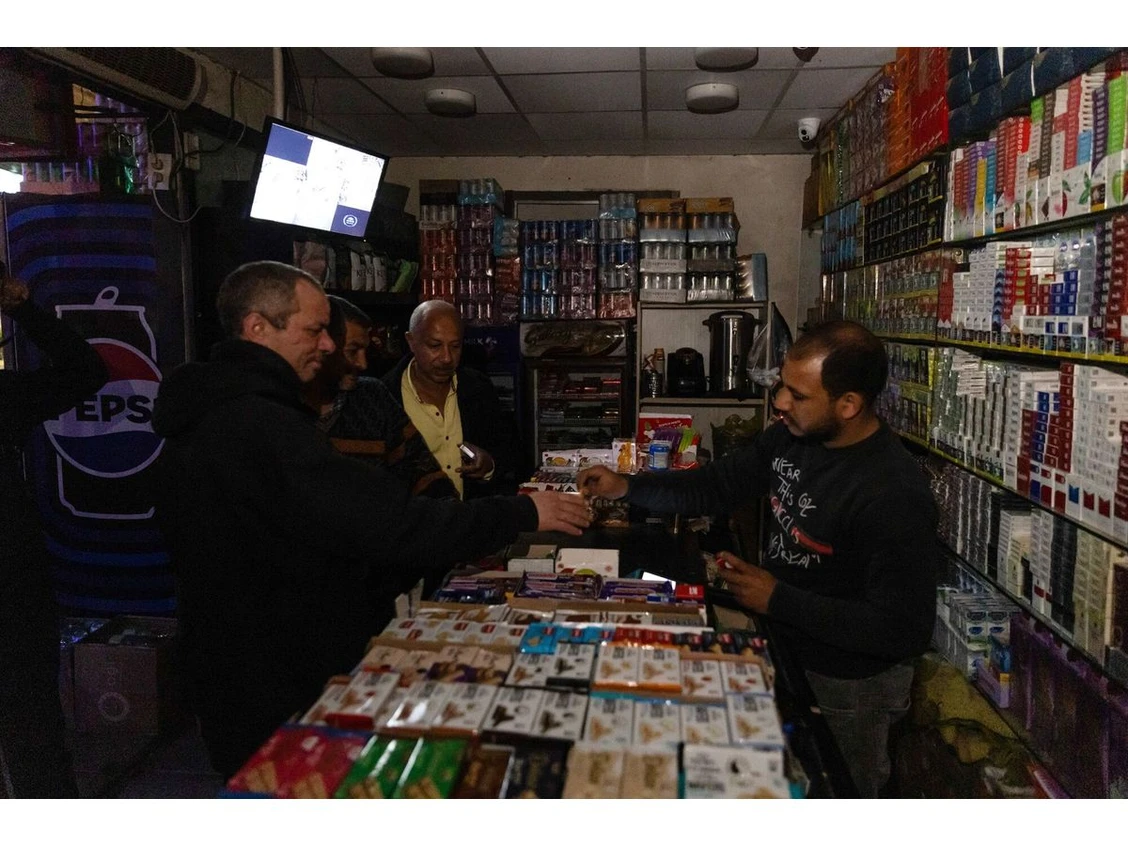
Cairo is coming back to life at night after a month of strict energy-saving rules that forced the city to shut down early. The easing of these rules has sparked a strong Cairo nightlife return, bringing relief to residents who depend on late social life in Egypt’s capital.
For many people in Cairo, nights are an important part of daily life. Small cafés, known locally as “ahwas,” are central meeting points where friends gather, play chess, and drink tea late into the night. But during the recent restrictions, that routine was disrupted.
The limits were introduced after rising energy costs linked to global tensions. Businesses were ordered to close earlier, and many streets went dark by 9 p.m. or 11 p.m. The aim was to reduce electricity use and ease pressure on the power system.
The result was a quieter city. Cairo, usually known for its crowded and lively nights, became unusually still. Major streets, shopping areas, and cafés were forced to shut early. Residents described the change as a sudden break from normal life.
Now, the government has announced that restrictions will be eased. Cafés and restaurants will be allowed to stay open later again, with closing times extended to around 1 a.m. in most areas. The decision has been welcomed by residents and business owners alike.
The Cairo nightlife return has already started to show results. In several districts, people gathered outside cafés shortly after the announcement. Young residents danced, clapped, and celebrated the return of late-night activity.
Many residents say nightlife is a core part of Cairo’s identity. The city, home to more than 20 million people, is often described as one of the busiest urban centers in the region. Streets usually stay active well into the early hours, with food stalls, shops, and cafés serving customers late at night.
During the restrictions, even delivery restaurants had to operate with dim lighting and reduced activity. Only essential businesses like pharmacies and small kiosks remained open around the clock in some areas.
Residents say the early closures changed daily routines. Many people shifted their schedules, starting work earlier in the day so they could still enjoy some evening social time before closures.
Some cafés adapted quietly, keeping service running in low light and using mobile phone flashlights to prepare drinks. However, many activities such as fresh juice preparation were limited due to noise rules and reduced operations.
The easing of rules has also brought attention back to Cairo’s tourist areas. Certain zones, especially those popular with foreign visitors, had fewer restrictions during the curfew period. These areas continued to operate later than other parts of the city.
Tourism plays an important role in Egypt’s economy, and nightlife is a key attraction for many visitors. Late-night shopping, dining, and entertainment are part of the city’s appeal, especially for visitors from Gulf countries during summer months.
Some tourists have already welcomed the return of normal hours. They say Cairo’s night culture is one of its most attractive features, allowing people to enjoy food, shopping, and entertainment late into the night.
At the same time, not everyone viewed the restrictions negatively. Some workers, such as retail staff, said earlier closing times gave them more time to rest and spend evenings at home. A few even said the break from long nights improved their personal routines.
Still, for most residents, the return of late-night life is seen as a relief. Many say Cairo feels complete again with its lights on, cafés open, and streets busy after dark.
As the Cairo nightlife return continues, the city is expected to regain its usual rhythm. Businesses hope customer activity will quickly recover, while residents are eager to reclaim their social habits.
For Cairo, where night life is deeply tied to culture and community, the return of late hours is more than just a policy change. It is a return to normal life.
