


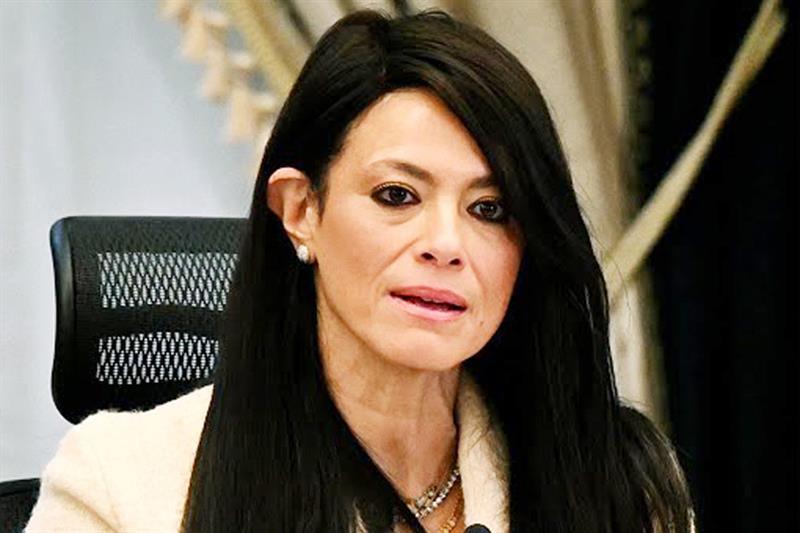
Rania Al-Mashat ESCWA appointment marks a major leadership change at the United Nations Economic and Social Commission for Western Asia. The UN Secretary-General António Guterres has named the Egyptian economist as the new Executive Secretary of the organisation.
The appointment was announced on April 20, 2026. Al-Mashat will also hold the rank of UN Under-Secretary-General. She succeeds Rola Dashti of Kuwait, who previously led the commission. Mourad Wahba will continue as Acting Executive Secretary until Al-Mashat officially takes office.
The Rania Al-Mashat ESCWA appointment comes at a time when Western Asia faces major economic, social, and climate challenges. The region is dealing with slow economic growth, development gaps, and increasing environmental pressures.
ESCWA is the UN’s regional body responsible for supporting economic and social development in Western Asia. It works with member states to promote cooperation, policy planning, and sustainable development strategies across the region.
Al-Mashat brings more than 25 years of experience in public policy, economics, and international finance. She has held several senior government roles in Egypt, including ministerial positions focused on international cooperation, planning, tourism, and economic development.
She has also worked at the Central Bank of Egypt and the International Monetary Fund. Her background includes work on structural reforms, development financing, and climate-related economic policy. These areas are central to ESCWA’s mission.
The UN said her appointment reflects a focus on strengthening economic governance and regional cooperation. The organisation aims to improve support for countries facing financial and development challenges in Western Asia.
The Rania Al-Mashat ESCWA appointment is also seen as part of broader efforts to bring experienced technocrats into key UN roles. Officials say such appointments help improve policy coordination and development outcomes in complex regions.
Experts note that ESCWA plays an important role in connecting governments, institutions, and development partners. It supports policy research, economic planning, and regional integration efforts across Arab states.
At the same time, the region faces ongoing difficulties. These include unemployment, inflation pressures, climate risks, and political tensions. ESCWA is expected to help countries manage these challenges through coordinated development strategies.
Al-Mashat’s experience in economic reform is expected to shape her approach to the role. She has previously worked on national development plans and international financing programs aimed at improving economic stability.
Her background in climate-related policy is also seen as important. Many ESCWA member states are highly vulnerable to climate change impacts such as water scarcity, rising temperatures, and resource stress.
The United Nations has increasingly focused on linking economic development with climate action. ESCWA is expected to play a key role in supporting this integrated approach under Al-Mashat’s leadership.
The appointment also carries diplomatic significance for Egypt. It strengthens the country’s representation in senior UN leadership positions and highlights its role in international economic diplomacy.
Observers also note the broader impact for Africa and developing countries. The selection of African experts for senior UN roles is seen as part of efforts to improve representation in global institutions.
Al-Mashat now faces the task of guiding ESCWA through a complex regional environment. This includes supporting economic recovery, improving public policy systems, and encouraging investment in sustainable development.
She will also need to manage cooperation between countries with different political and economic conditions. ESCWA’s role often requires balancing technical development work with sensitive regional dynamics.
Her leadership is expected to focus on strengthening regional partnerships and improving the impact of development programs. This includes supporting governments in planning long-term economic and social reforms.
The Rania Al-Mashat ESCWA appointment is widely viewed as a shift toward stronger economic expertise in UN regional leadership. It reflects growing attention to practical policy solutions in areas affected by both economic and climate challenges.
As she prepares to take office, expectations are high that her experience in government and international finance will help shape ESCWA’s next phase of work in Western Asia.
