


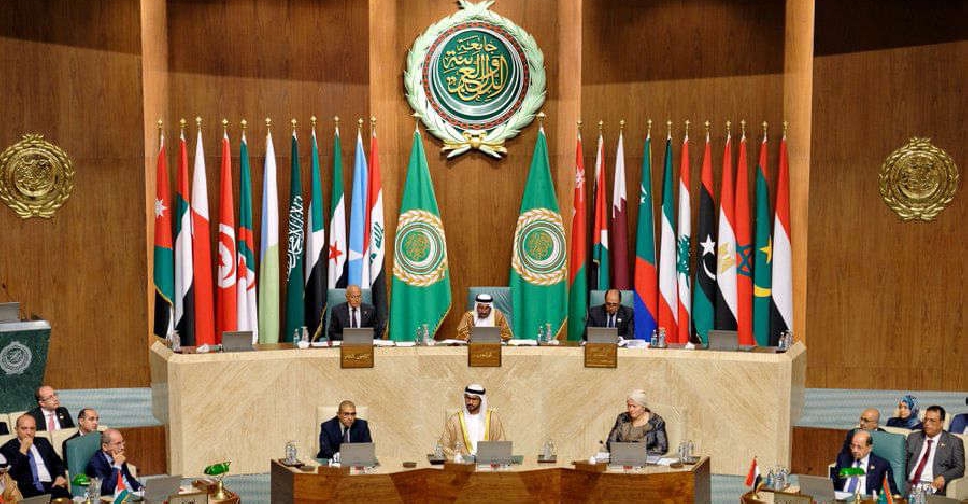
Egypt is continuing to promote a broad regional security and stability vision focused on protecting Gulf states, supporting energy market stability, and improving food security. The approach highlights Cairo’s effort to strengthen diplomatic cooperation across the Middle East and beyond.
Officials say Egypt’s strategy is built on the idea that regional stability depends on shared responsibility. Countries must work together to reduce risks, prevent conflict, and support long-term development. This vision includes stronger coordination between governments on security, trade, and humanitarian needs.
A key part of Egypt’s approach is protecting Gulf states from rising regional tensions. The Gulf region plays a major role in global energy supply and international trade. Any instability in this area can have wide economic effects. Egypt supports closer cooperation among regional partners to reduce these risks.
Energy security is also a major focus. Oil and gas markets remain sensitive to political and military tensions in the region. Even small disruptions can affect global prices. Egypt has called for continued dialogue among producers and consumers to ensure stable energy flows.
Food security is another important pillar of the vision. Global supply chains have faced pressure in recent years due to conflicts, climate issues, and economic disruptions. Egypt supports joint efforts to improve food distribution systems and strengthen agricultural cooperation between countries.
Diplomatic sources say Egypt is using its relationships with regional and international partners to promote this stability framework. The country has long maintained active engagement with Gulf states and other regional actors. These ties allow Cairo to play a connecting role in broader cooperation efforts.
Egypt’s vision also includes stronger multilateral cooperation. This means working through regional organizations and international platforms to address shared challenges. Leaders believe that collective action is more effective than isolated policies when dealing with complex issues.
In recent discussions, Egypt has emphasized the importance of dialogue and peaceful solutions. Officials argue that stability cannot be achieved through force alone. Instead, it requires consistent communication and long-term planning between countries.
The country’s foreign policy has increasingly focused on balancing security concerns with economic development goals. This includes encouraging investment, improving trade routes, and supporting infrastructure projects that benefit multiple nations in the region.
Regional experts say Egypt’s position reflects a wider shift toward cooperative diplomacy. Many countries in the Middle East are now prioritizing stability and economic resilience. This has led to increased dialogue on shared challenges such as energy transition, food supply, and regional security threats.
At the same time, tensions in parts of the region continue to pose challenges. Political disputes, security risks, and economic uncertainty remain key concerns. Egypt’s vision aims to reduce the impact of these issues through preventive diplomacy and cooperation.
Officials believe that sustained engagement between countries is essential. Regular communication helps prevent misunderstandings and supports quicker responses to emerging problems. Egypt has consistently encouraged this approach in its regional discussions.
The vision also highlights the importance of protecting civilians and maintaining humanitarian stability during crises. Egypt supports coordinated responses to emergencies, including food shortages and energy disruptions, to reduce human and economic costs.
While the framework is still evolving, it has gained attention among regional partners. Many view Egypt’s approach as a stabilizing influence in a complex geopolitical environment. Its focus on practical cooperation is seen as a way to address immediate risks while also planning for long-term security.
Egypt continues to position itself as an active voice in regional diplomacy. By linking security, energy, and food stability, the country aims to build a more connected and resilient regional system. Its ongoing efforts reflect a belief that cooperation is the strongest path toward lasting peace and stability.
