


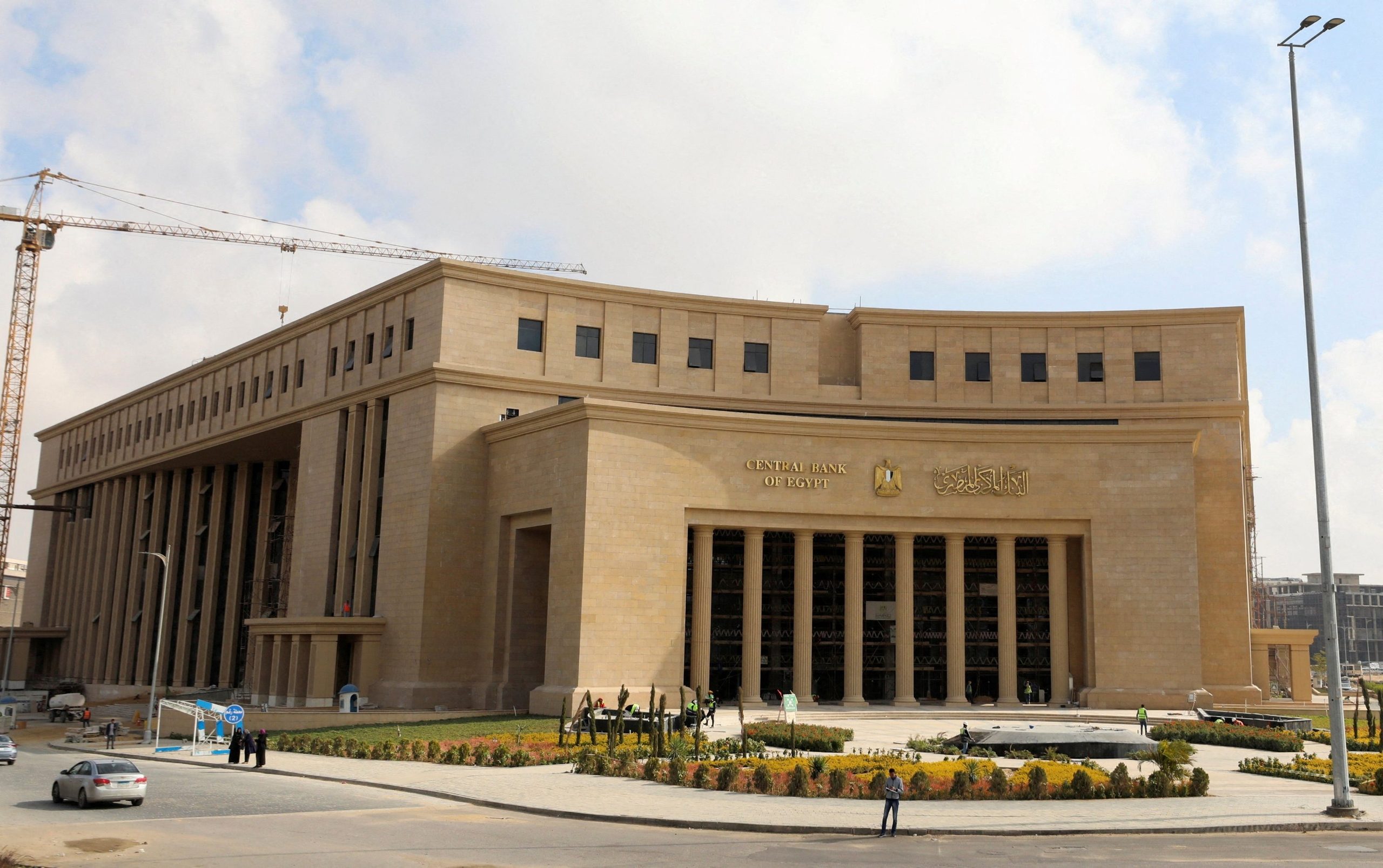
Egypt’s central bank has increased its main interest rates by one percentage point, marking its first rate rise since March 2024. The decision comes as the Egyptian pound faces renewed pressure against the US dollar and concerns about imported inflation increase. The move is intended to help control price expectations and protect the progress made in reducing inflation, although it may also make borrowing more expensive for businesses and households.
Following the decision, the overnight deposit rate increased to 20%, while the overnight lending rate rose to 21%. The main operation and discount rates also moved to 20.5%. The Central Bank of Egypt said the decision reflected challenging external conditions and elevated uncertainty. It aims to keep inflation expectations under control and support a continued decline in the rate of price increases.
The decision came after many market analysts had expected the central bank to leave rates unchanged. The Egyptian pound had weakened beyond 56 to the US dollar, increasing the cost of imported goods and materials. Since Egypt relies on foreign purchases for many products, a weaker currency can raise costs for importers and eventually push prices higher for consumers.
The central bank is also dealing with pressure from international energy markets. Higher oil prices can increase the cost of fuel, transport and production. These effects can spread through the economy, making it harder for companies to maintain prices and for households to manage their monthly budgets. Policymakers must therefore consider both currency movements and the possibility that higher energy costs could renew inflationary pressure.
Higher interest rates can help make local-currency savings and financial assets more attractive. They may also encourage investors to hold Egyptian pound-denominated instruments, potentially supporting demand for the currency. However, the policy has costs. Businesses may face more expensive loans, while households could find mortgages and other forms of credit harder to afford. Companies planning expansion may delay investment if financing becomes too costly.
The government also faces a higher cost when it borrows to finance public spending. Because the state has substantial financing needs, a prolonged period of high interest rates can increase debt-servicing expenses and reduce the funds available for other priorities. The central bank must therefore balance the need to control inflation against the wider effect of tighter monetary conditions.
Egypt is also approaching the final stage of its current International Monetary Fund programme. The remaining review process is important because approval could unlock additional financing and support confidence in the country’s economic reform plans. Investors will be watching whether the government can maintain currency flexibility, improve access to foreign currency and encourage more private-sector activity.
The latest rate increase signals that the central bank is prepared to act when it sees renewed risks to price stability. Its success will depend on whether inflation begins to ease without causing excessive damage to investment and economic activity. For households and businesses, the immediate concern will be how the decision affects borrowing costs, prices and access to finance in the months ahead.
