


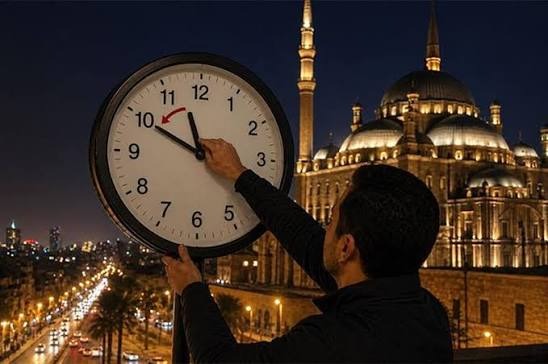
Egypt is preparing to turn clocks back by one hour at midnight on Thursday, October 29, as the country ends its daylight saving time period. The change will move the country from GMT+3 to GMT+2 and affect the time shown on clocks, phones and other devices. People across Cairo and the rest of the country are being reminded to check their schedules so that the adjustment does not cause confusion.
The change affects everyday routines, including work schedules, school journeys, transport connections and appointments. Many modern phones and computers adjust automatically when their time settings are configured correctly, but clocks that require manual changes may need to be reset. Travellers and people with early appointments are likely to benefit from checking the time before leaving home.
Egypt’s seasonal clock changes are intended to shift daylight hours across different parts of the year. Daylight saving time moves the clock forward during warmer months, while the return to standard time shifts it back in autumn. The adjustment changes the relationship between official time and sunrise or sunset, although it does not change the amount of daylight available in a day.
For businesses, the change can require small but important updates. Offices, shops, transport operators and service providers need to make sure their schedules match the new official time. International companies and people working with overseas partners may also need to review meeting arrangements, as the time difference between Egypt and other countries can change when one country adjusts its clocks and another does not.
The shift can also affect digital systems that rely on time stamps, including booking platforms, payment systems and workplace attendance records. Most systems are designed to handle official time changes, but people should still confirm appointments and travel details if the timing is important. Airline passengers, in particular, should follow the time printed on their tickets and check for any messages from their carriers.
The return to GMT+2 marks the end of the daylight saving period for this year. For most residents, the practical effect will be a one-hour adjustment rather than a major change to daily life. However, taking a moment to check clocks and schedules can prevent missed appointments and confusion on the first morning after the change.
The time adjustment is a routine national change, but it remains useful for residents and visitors to confirm the official timing of services. People who use devices with automatic time settings should ensure that those settings are enabled, while anyone relying on manual clocks should make the change before going to sleep. Doing so will help households and businesses move smoothly into the winter schedule.
