


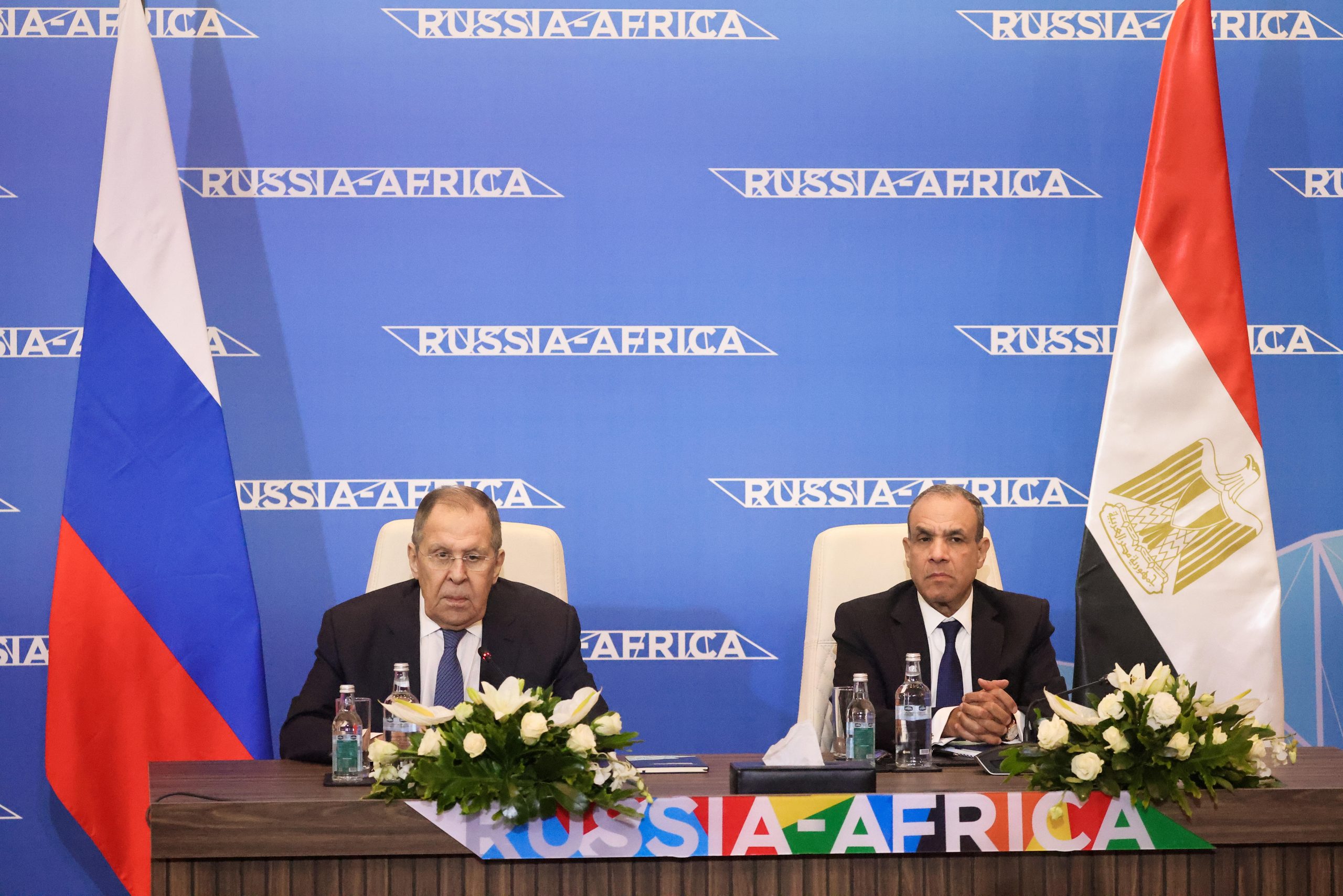
Egyptian President Abdel Fattah el-Sisi met Russian President Vladimir Putin in Moscow as both countries looked to strengthen their long-standing relationship and expand cooperation across Africa. The meeting took place during the third Russia-Africa Summit, which brought together leaders and officials from across the continent. Discussions focused on economic ties, strategic cooperation and major projects that connect the two countries.
The meeting was important for Egypt because Russia remains a significant partner in several areas, including energy, infrastructure and trade. One of the major projects discussed was the El Dabaa Nuclear Power Plant, which is being developed with Russian support. The project is expected to play a role in Egypt’s long-term energy plans and has become a central example of cooperation between the two governments.
Putin highlighted the importance of expanding cooperation and referred to the nuclear power project as a major part of the relationship. The facility is planned to have four reactors with a combined capacity of 4,800 megawatts. Once completed and operating, it is expected to add a substantial source of electricity to Egypt’s national energy system. The project also involves technical cooperation and training for Egyptian personnel.
The summit itself reflects Russia’s wider effort to strengthen political and economic relationships with African countries. Moscow has been seeking closer trade, investment and security links across the continent, while African governments are interested in access to markets, technology, infrastructure and international partners. Egypt’s position gives it an important role in these discussions because of its geographic location and influence in regional affairs.
Economic cooperation is especially important for Cairo. Egypt needs reliable supplies of essential goods, investment and financing as it manages pressure on its currency and public finances. Grain trade is one area of interest because food imports are important to the country’s domestic market. Cooperation with Russia may help Egypt maintain supply relationships and discuss wider agricultural and commercial opportunities.
The two governments also have an interest in maintaining regular diplomatic contact as regional conflicts and international tensions affect trade and security. Egypt has repeatedly sought to maintain relationships with different global powers rather than depend on a single political bloc. Its engagement with Russia is part of that approach, alongside relations with the United States, China, European countries and regional partners.
However, closer ties also require careful economic planning. Large infrastructure projects can take years to complete and depend on financing, technical support and stable political conditions. Trade relationships must also respond to changing global markets and payment arrangements.
The Moscow meeting highlighted the continuing importance of the Egypt-Russia partnership. The practical value of the discussions will depend on whether both sides can turn diplomatic commitments into stronger trade, investment and project delivery. For Egypt, maintaining several international partnerships remains important as it seeks economic stability and a stronger position in regional affairs.
