


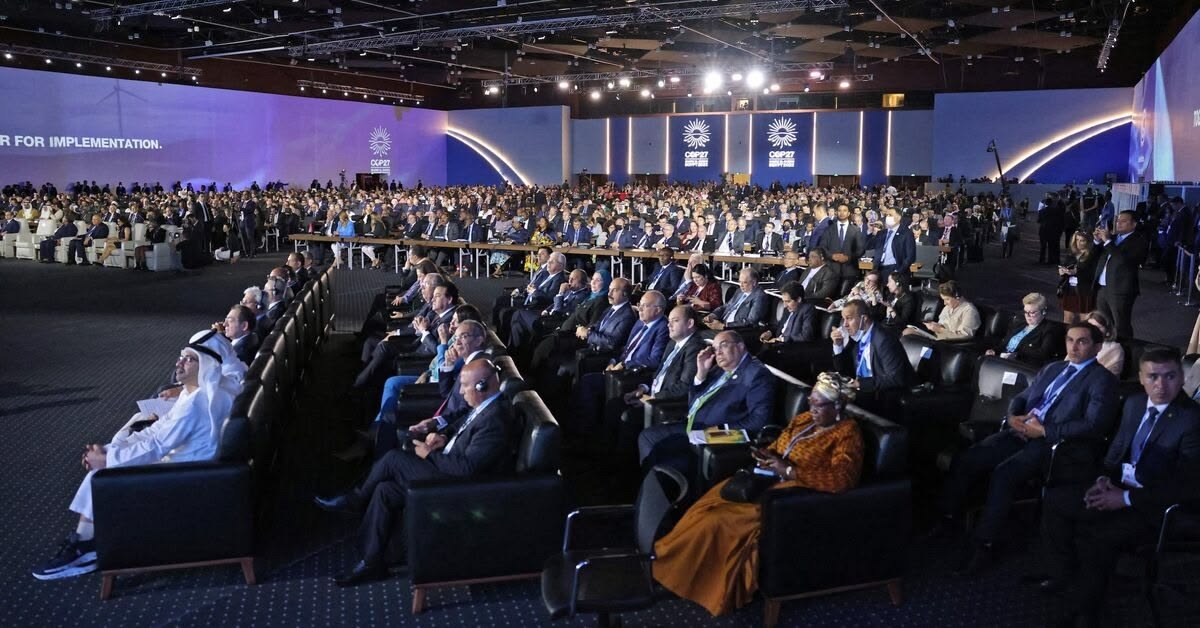
Egyptian Prime Minister Mostafa Madbouly announced this week that the government has begun preparations for a national conference scheduled for October, aiming to transparently address public questions while explaining both recent achievements and the country’s current economic challenges. Speaking during the weekly cabinet meeting held at government headquarters in the New Administrative Capital, Madbouly said the conference had been called specifically by President Abdel Fattah al-Sisi.
According to Madbouly, the gathering aims to outline the state’s future vision while directly involving citizens in understanding the steps government agencies are taking to address the country’s economic situation. This kind of direct public engagement format reflects a communication strategy Egyptian officials have increasingly relied upon in recent years, using large scale conferences to explain policy direction rather than relying solely on official statements or ministerial announcements.
The timing of this announcement carries particular significance given the complex economic backdrop Egypt continues navigating this year. The country has worked through a series of interconnected fiscal challenges, including managing a currency that has faced sustained pressure, addressing persistent inflation that has strained household budgets, and servicing a substantial debt burden that continues consuming a significant share of the national budget through interest payments alone.
Egyptian officials have consistently framed their communication strategy around demonstrating tangible economic progress even as households continue feeling the effects of previous currency devaluations and elevated prices for basic goods. The planned October conference appears designed to provide a comprehensive, centralized venue for making that case directly to citizens, rather than leaving economic messaging fragmented across multiple ministry level announcements throughout the year.
This announcement follows a pattern of similar national conferences Egypt has held in recent years, typically bringing together government officials, business leaders, and sometimes international observers to discuss economic strategy and development priorities. These events have historically served multiple purposes simultaneously, offering both a genuine forum for policy discussion and a platform for the government to showcase infrastructure projects, investment agreements, and other achievements to both domestic and international audiences.
The cabinet meeting where this announcement emerged also addressed several other topics on the government’s broader agenda, consistent with the weekly meeting format Madbouly has used throughout his tenure as prime minister to review progress across multiple ministries simultaneously. That routine coordination mechanism has become a consistent feature of how Egypt’s executive branch tracks implementation of presidential directives across different policy areas.
Economic analysts have noted that this kind of direct public conference format carries both opportunities and risks for the government. While it offers a chance to build public understanding and potentially bolster confidence in the country’s economic trajectory, it also creates a highly visible venue where officials will face direct scrutiny over difficult topics including continued price pressures, currency stability, and the pace of promised reforms that citizens have been asked to be patient about for several years now.
As preparations for the October conference continue over the coming weeks, attention will focus on exactly which senior officials will participate, what specific economic data and achievements will be highlighted, and how directly the government addresses the genuine hardships many Egyptian households continue experiencing amid the broader economic adjustment process the country has pursued since securing its International Monetary Fund support programme.
