


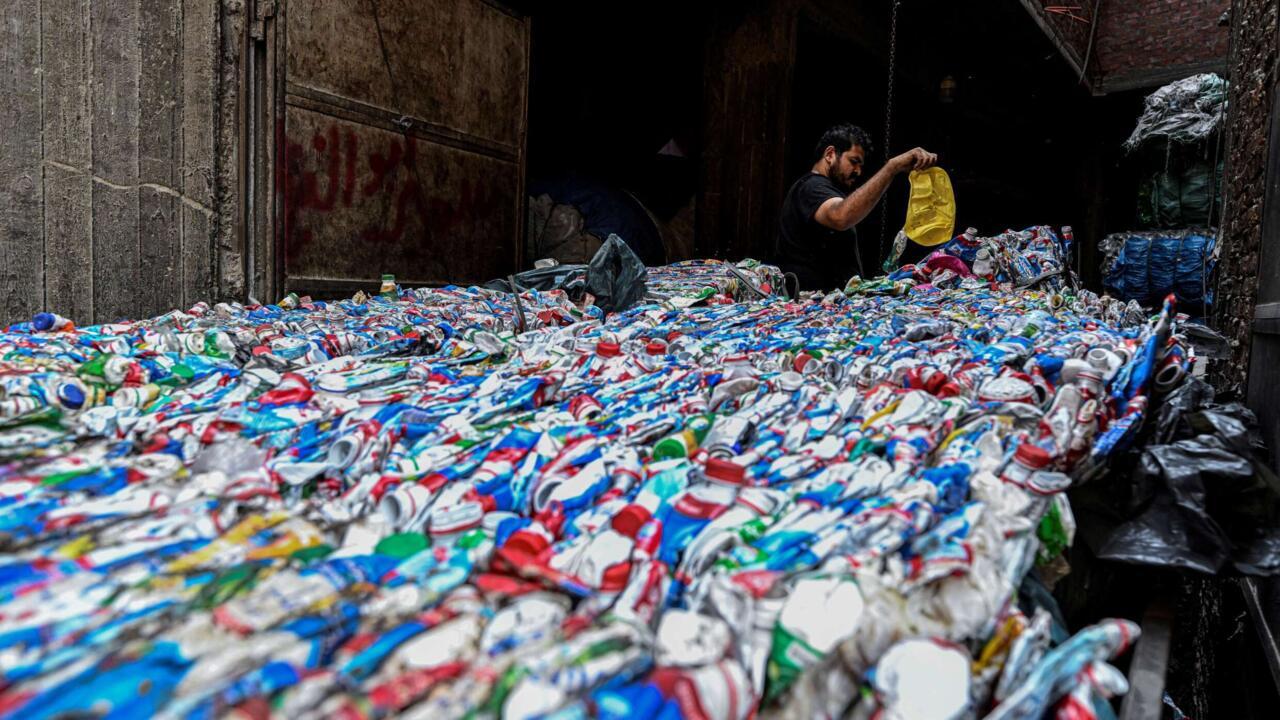
In the winding alleyways of Cairo’s Garbage City, informal recyclers who once struggled to find buyers for their sorted plastic now find themselves fielding constant calls from factories desperate for material. The unusual reversal has been driven by disruption to global shipping routes tied to the ongoing conflict between the United States and Iran, which has choked off supplies of raw plastic normally imported through the Strait of Hormuz.
The settlement, known formally as Manshiyet Nasser and home to more than one hundred fifteen thousand residents, sits beneath Cairo’s Mokattam hill and handles more than a third of the capital’s entire waste output, according to government figures. For generations, families in the predominantly Coptic Christian neighborhood have built one of the world’s most sophisticated informal recycling systems, sorting and processing waste that might otherwise end up in landfills across the sprawling megacity.
The shift in fortunes has been dramatic for those working in the trade. One recycling specialist described how factories that once ignored his calls now reach out directly, asking how much material he has available and whether he can deliver the same day, a complete reversal from the usual dynamic where recyclers spent their time trying to convince buyers to take their sorted plastic. The change reflects just how severely the shipping disruption has affected the availability of raw materials that Egyptian manufacturers previously imported rather than sourced locally.
Manufacturing companies further along the supply chain have felt the benefits as well. The chief executive of a Sadat City factory that produces polyester fibers from used plastic bottles said her company, after sixteen years in the business, has only recently managed to reach new international markets as far away as Brazil, a direct result of the current supply crisis pushing buyers to seek alternative sources. Another company that converts plastic waste into packaging materials reported orders climbing by as much as forty percent, with particularly strong demand from food and beverage manufacturers seeking reliable alternatives to imported materials.
The scale of the disruption stems from the Middle East’s outsized role in global plastic production, with the region supplying a substantial share of the world’s polyethylene exports, most of which normally passes through the narrow shipping lane of the Strait of Hormuz. With that route disrupted by the ongoing conflict, manufacturers worldwide have scrambled to find alternative sources, and Cairo’s informal recycling sector has emerged as an unlikely beneficiary of a crisis playing out thousands of kilometers away.
Prices for recycled plastic in Manshiyet Nasser have surged dramatically during the crisis, with some reports indicating increases of up to two hundred percent compared to normal levels. That price surge has transformed everyday collected waste into a genuinely valuable commodity, turning what was once viewed as simple trash into material actively sought after by manufacturers around the world.
Despite the current boom, many within the industry remain cautious about how long the favorable conditions will last. Some recyclers have noted that prices and demand already began easing following recent diplomatic signals suggesting progress in negotiations between the United States and Iran, illustrating just how tightly tied the current prosperity remains to the unresolved geopolitical situation driving it.
For the families living and working in Manshiyet Nasser, the current surge offers welcome but likely temporary relief from otherwise difficult economic conditions. Many residents live in close quarters alongside towering piles of sorted waste, exposed daily to the challenging conditions that come with informal recycling work. As global shipping routes eventually stabilize, whether through diplomatic resolution or other means, the extraordinary demand currently flowing into Cairo’s recycling community may prove to be a fleeting chapter rather than a lasting transformation of the neighborhood’s economic fortunes.
