


Egypt is stepping up its push for peace as tensions between the United States and Iran remain high. Cairo is seeking a way to bring both sides back to talks. The effort comes as the Strait of Hormuz remains at the heart of a wider regional crisis.
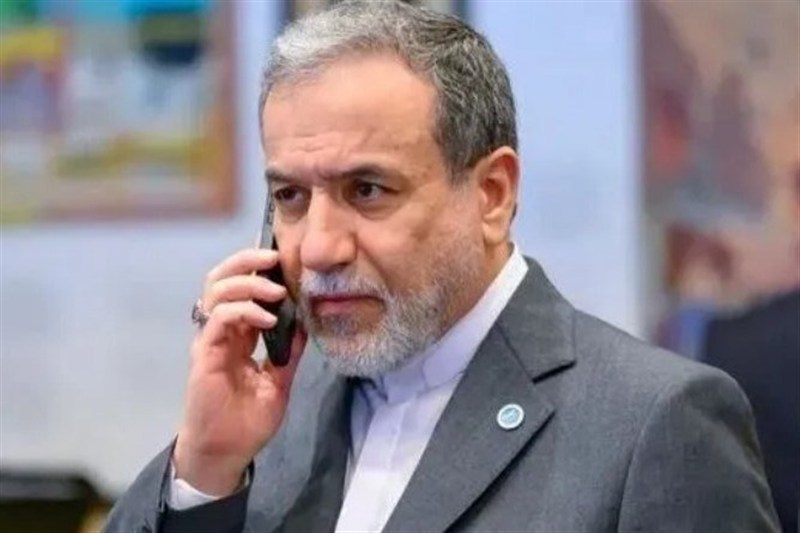
Egyptian Foreign Minister Badr Abdelatty spoke with Iranian Foreign Minister Abbas Araghchi on Saturday. The two men discussed the latest events in the region. They also looked at ways to lower tensions and return to talks.
The call took place as Iran and the United States faced a deep dispute over the Strait of Hormuz. The key water route links the Gulf to the wider world. It is also a major route for oil and gas ships.
Egypt has a strong reason to support a calm sea route. The Suez Canal is also a key trade link. A long crisis in the region could hurt trade, shipping and energy markets. It could also add more pressure to nearby states.
During the call, Araghchi gave Abdelatty Iran’s view of the crisis. He also spoke about the talks with Oman and the problems facing the wider peace effort. Egypt said the talks focused on steps that could help create a better setting for peace.
Cairo also stressed the need for safe sea travel. Free movement through the Strait of Hormuz is vital for world trade. Any long halt or sharp drop in ship traffic could affect fuel costs and supply chains.
The latest move is part of Egypt’s wider role in regional talks. Cairo has often sought to keep lines open between states during times of crisis. It has also pushed for talks when military action risks spreading to more parts of the region.
The United States has taken a hard line toward Iran. It wants Iran to end its nuclear program and fully reopen the Strait of Hormuz. Washington has also warned of strong economic pressure.
Iran has taken a very different view. Its leaders have said they want the war to end, but they also reject key US demands. Tehran has called for an end to US pressure and other steps before a full deal can move ahead.
That gap makes Egypt’s role difficult. Cairo cannot force either side to agree. But it can help keep talks alive. It can also pass views between regional states and support steps that may reduce the risk of a wider war.
The timing is important. The region is already facing several security risks. Fighting and strikes in other parts of the Middle East have added to fears of a wider crisis.
Egypt’s talks with Iran also come as Oman works on its own diplomatic track. Oman has been involved in efforts linked to the Strait of Hormuz. Cairo appears to support those efforts and wants the wider diplomatic path to remain open.
For Egypt, the goal is clear. It wants less conflict and more talks. It also wants key sea routes to stay safe. A stable region would help protect trade and support economic life across the Middle East.
The next steps will depend on Washington and Tehran. Egypt can offer a bridge, but both sides must choose to cross it. For now, Cairo is using diplomacy to keep that bridge open.
The effort shows how Egypt is seeking a role in one of the region’s most serious crises. Whether it can help restart direct talks remains uncertain. But its latest contact with Iran shows that Cairo is still pushing for a peaceful way out.
