


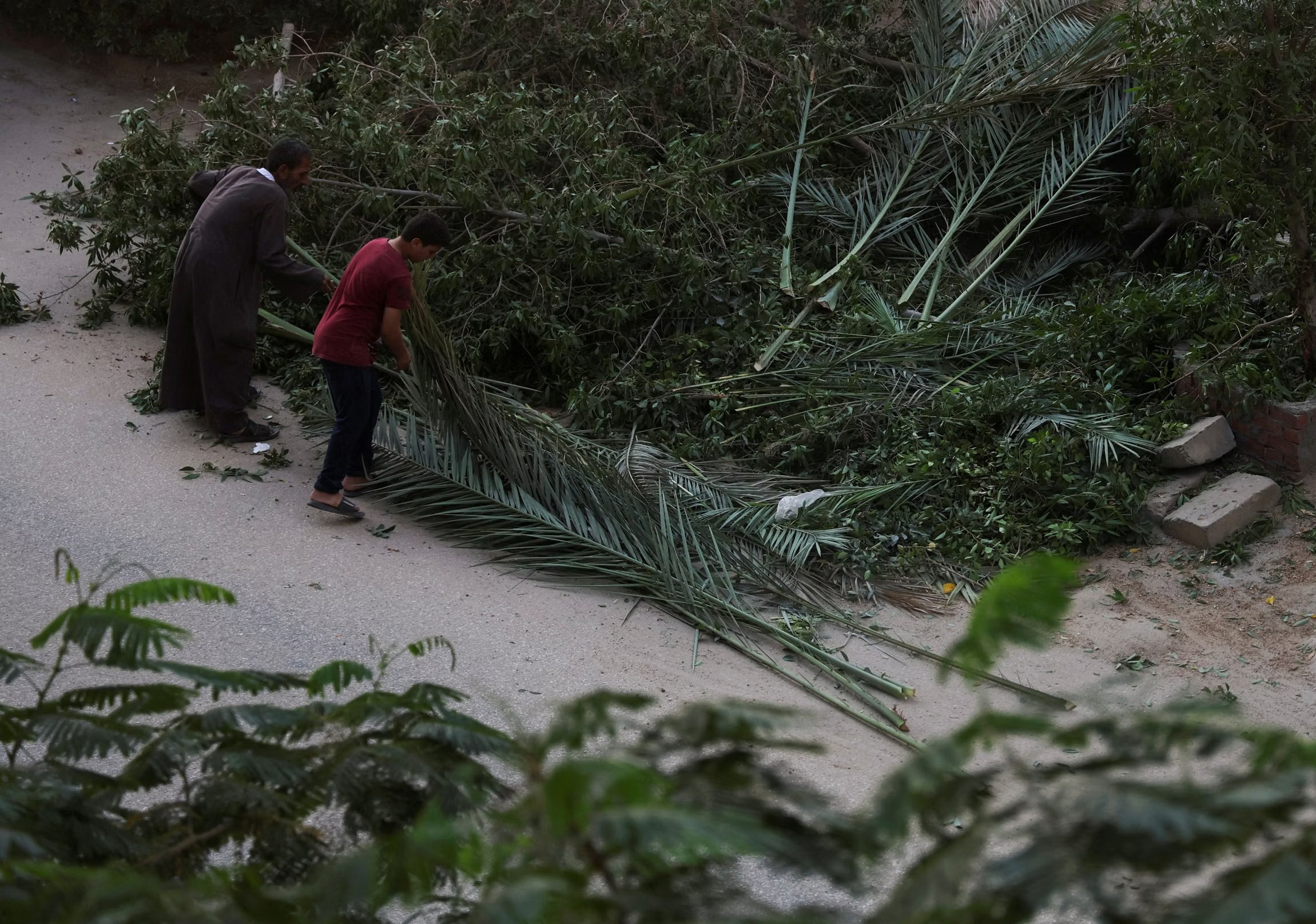
Residents in Cairo are expressing growing concern about the removal of trees as road construction and urban development reshape parts of the Egyptian capital. The issue has become a public debate about how cities should balance transport needs, new construction and the protection of green spaces. A report published on October 13, 2026, described neighbourhood concerns about the loss of mature trees and the effect that development can have on daily life.
One area drawing attention is Maadi, where residents have objected to plans connected with a road project near Avenue 250. The area has long been known for its trees and garden shops. Local opposition helped pause the project temporarily, showing how residents can influence decisions that affect the appearance and character of their neighbourhoods. For many people, the trees are not simply decoration; they provide shade, improve the streetscape and offer relief from the heat.
Other parts of Cairo have also experienced the removal of trees. Residents have raised concerns about the loss of greenery in neighbourhoods such as Heliopolis. The report noted that Cairo’s green space has declined substantially over time, increasing pressure on the remaining parks, gardens and tree-lined streets. When mature trees are removed, replacing them with young plants may not provide the same benefits for many years.
Trees can help lower local temperatures, provide shade for pedestrians and improve the quality of public spaces. They may also support urban wildlife and help reduce some forms of pollution. In a large and densely populated city, green spaces can give residents places to walk, rest and meet others. Losing them can make streets less comfortable, especially for children, older people and those who spend much of the day outdoors.
The Egyptian government has introduced tree-planting initiatives and called for stronger controls over the removal of greenery. However, residents and environmental advocates want clear rules and public information about how decisions are made. They argue that new planting programmes cannot fully replace established trees if development continues to remove them faster than new greenery can grow.
Urban growth is an important part of Cairo’s future, but residents say planning should consider the long-term needs of communities. Roads and buildings may improve transport or create new economic opportunities, yet these projects can also reduce the quality of neighbourhood life if environmental concerns are ignored. Public consultation can help officials identify alternatives and explain why particular projects are necessary.
The debate reflects a wider challenge facing many growing cities: how to modernise without losing the natural features that make neighbourhoods liveable. Protecting mature trees, publishing clear development plans and maintaining green areas could help Cairo pursue construction while preserving public spaces. Residents’ concerns show that environmental planning is closely linked to health, comfort and the everyday experience of city life.
