


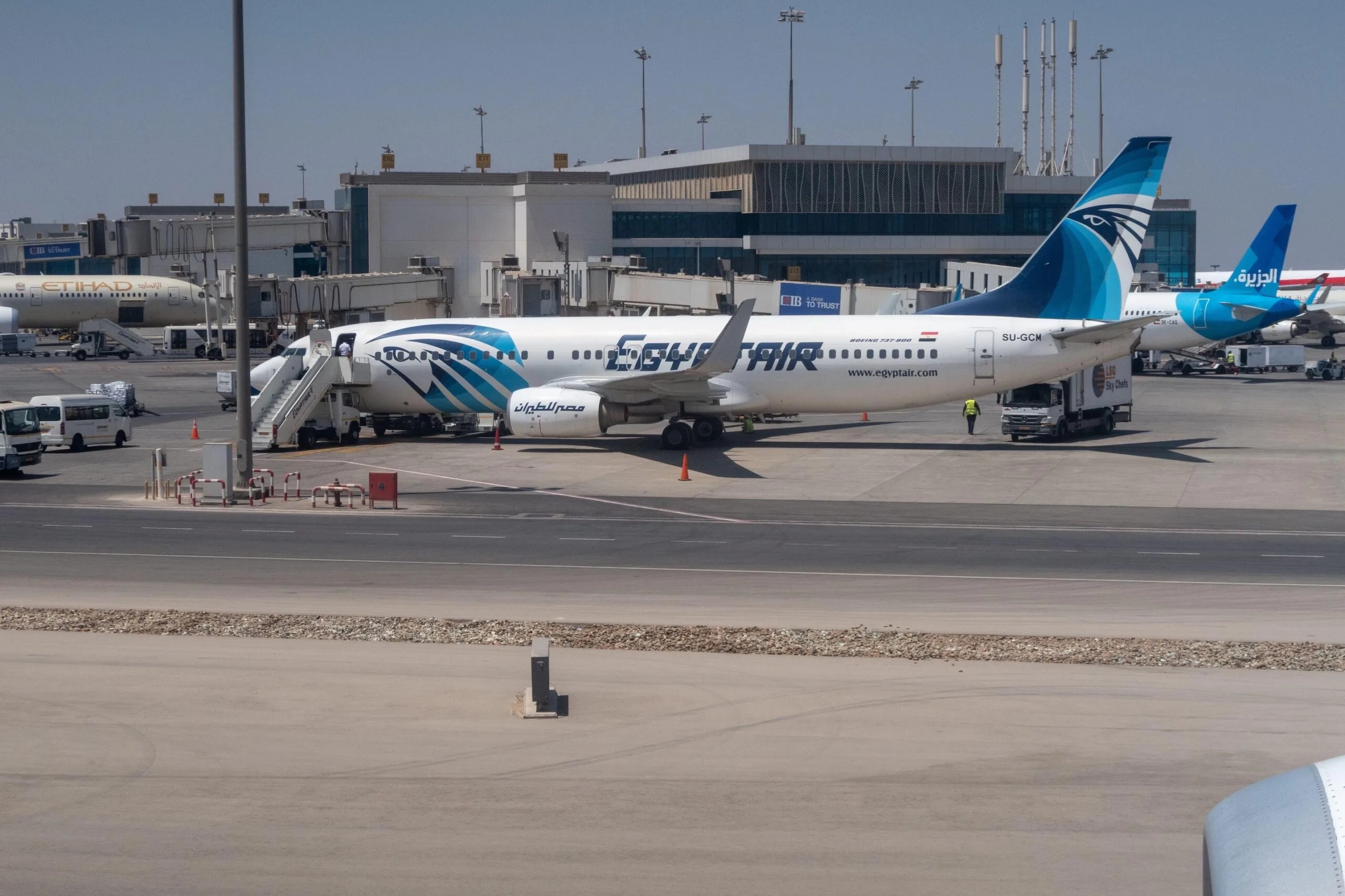
Air Cairo announced the suspension of its flight to Riyadh scheduled for Sunday, 11 October, as security concerns continued to affect travel to Saudi Arabia. The decision came after a deadly attack on King Khalid International Airport in the Saudi capital. The incident caused deaths and injuries and led authorities to extend the airport closure while they assessed the situation.
The suspension is important for passengers who planned to travel between Egypt and Saudi Arabia. Riyadh is a major destination for business visitors, families and workers, including people who travel for jobs or to visit relatives. When flights are cancelled, passengers may face extra costs, delays and uncertainty about when they can continue their journeys.
Air travel depends on close coordination between airlines, airport operators and government authorities. After a serious security incident, airlines may need to change schedules while officials check whether airport operations can resume safely. These decisions can affect flights beyond the airport directly involved, especially when airlines operate routes through the same region or rely on connecting services.
Passengers affected by the suspension should check directly with the airline before travelling to the airport. They should confirm whether their booking has been changed, whether a refund or rebooking is available and whether they need to take any action before departure. Travellers should also rely on official airline notices rather than unverified posts that may circulate online during a crisis.
The attack in Riyadh has added to concerns about regional air travel. A large international airport is a key point for passenger movement, trade and tourism. Any prolonged closure can disrupt flights, delay cargo and create pressure on airlines that must find other ways to move people and goods. The effects can spread to other countries when travellers are due to make connecting flights.
For Egypt, the suspension shows how events outside its borders can affect local passengers and airlines. Air links with Saudi Arabia serve people travelling for work, family visits and religious reasons. A sudden change can therefore affect households as well as the wider travel sector.
The immediate priority is passenger safety. Airlines and authorities need to share clear updates so travellers can make decisions with accurate information. Until the situation becomes clearer, passengers should avoid assuming that a scheduled flight will operate as planned.
The suspension is a reminder that travel plans can change quickly during a security emergency. People with bookings should keep their contact details current, follow official announcements and retain their booking information. These steps can help reduce confusion while airlines work to restore normal service when conditions allow.
