


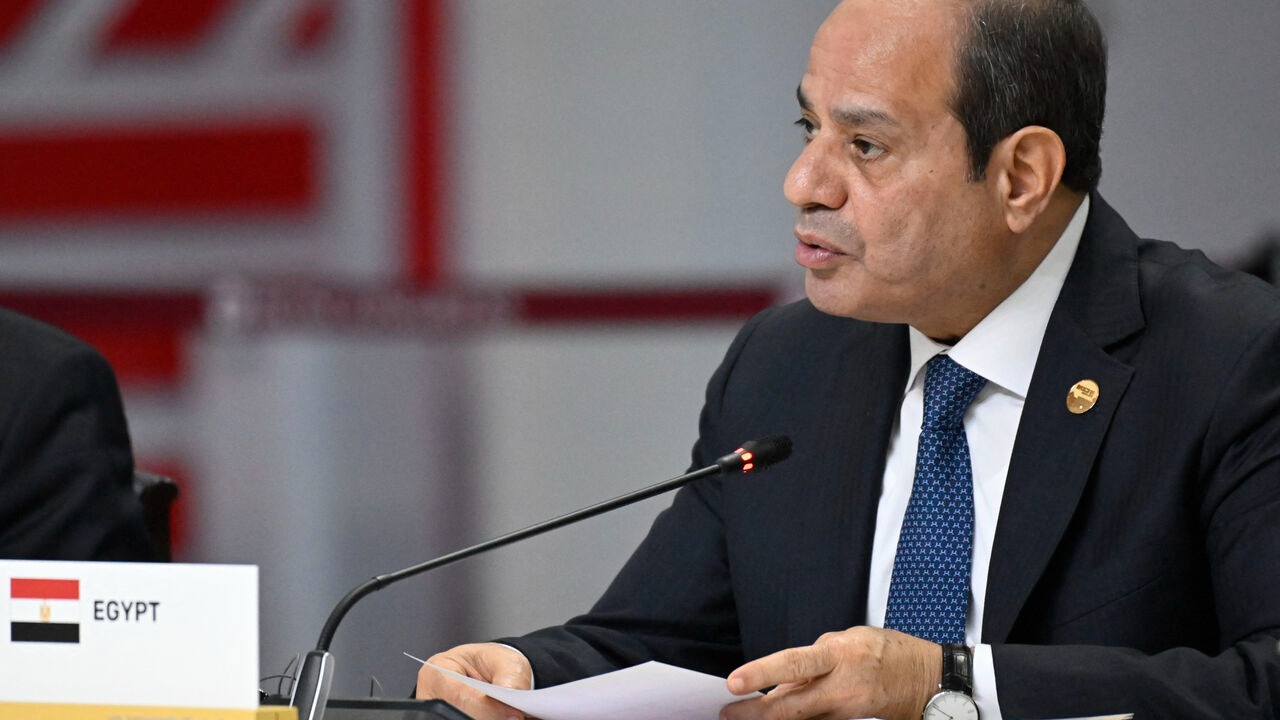
Egypt’s foreign minister has called on BRICS leaders to help calm tensions in the Middle East. Foreign Minister Badr Abdelatty raised the issue at a major gathering of the bloc. He pushed for faster steps to ease the crisis in Gaza. He also asked for stronger support for security across the Gulf region.
The BRICS group includes major emerging economies from several continents. Egypt joined the bloc in recent years and often uses its seat there to push regional issues. Cairo has long played a key role in talks tied to Gaza. It shares a border with the territory and has hosted past rounds of ceasefire talks.
At the summit, Abdelatty stressed that a lasting calm needs support from many world powers, not just those closest to the conflict. He argued that BRICS nations carry real weight on the world stage. He said their voice could help push stalled talks forward. Egypt has repeatedly warned that further fighting risks spreading instability well beyond Gaza’s borders.
Alongside the Gaza appeal, Egypt also raised concerns about wider Gulf security. Recent months have brought fresh tension in nearby areas. Egyptian officials worry that unrest in one part of the region can spill into others fast. They pointed to shipping routes and energy supplies as areas that need protection from any spillover.
Egypt also used the summit to hold side meetings with other foreign ministers. It met with counterparts from Qatar, Jordan, the United Arab Emirates, and other states. Those states, along with Egypt, issued a joint statement on regional matters. The group voiced shared concern over recent escalation and called for restraint from all sides involved.
Egyptian officials say these BRICS talks fit into a bigger diplomatic push this year. Cairo has held numerous meetings with African, Gulf, and Asian partners in recent weeks. Officials met with Guinea’s cooperation minister to discuss investment ties. They also held talks on the stability of Libya, a neighbor that has faced years of political division.
Egypt’s government frames all this activity as part of a broader foreign policy goal. It wants to be seen as a bridge between different blocs of nations. Analysts say Cairo hopes this role brings both political weight and economic benefit. Stronger diplomatic ties often lead to more trade deals and investment from partner nations.
The push for Gaza de-escalation also matters greatly for Egypt’s own economy. Tourism forms a large part of Egypt’s income, and instability nearby can scare off visitors fast. A calmer region could also ease pressure on the Suez Canal, a vital trade route that Egypt depends on for major revenue.
Officials in Cairo say they will keep raising these issues at every major summit this year. They argue that quiet diplomacy, paired with public appeals like this one, gives the best chance of real progress. Whether BRICS leaders will act quickly on Egypt’s requests remains unclear. For now, Cairo says it will keep pressing partners, both old and new, to help steer the region away from further conflict and toward a firmer, longer lasting calm.
Egypt’s role in past ceasefire efforts gives its current appeal added weight among fellow leaders. Officials in Cairo have hosted mediators, tracked violations, and helped coordinate aid access during past rounds of fighting. That track record lets Egyptian diplomats speak with a level of direct experience that many other nations simply do not have when discussing the practical steps needed for any lasting calm.
Humanitarian groups have welcomed Egypt’s renewed push at the summit, though many caution that statements alone rarely end conflicts. Aid workers say they need concrete steps, such as safer corridors and steady supply access, rather than just supportive words from distant capitals. Egyptian officials have said they share this frustration and plan to keep pressing partners for real, measurable action rather than symbolic gestures alone.
Regional analysts note that Egypt’s approach also serves its own long term interests beyond pure diplomacy. A calmer neighborhood supports steadier trade, safer shipping lanes, and a more predictable investment climate. By tying its Gaza appeal to broader Gulf security concerns, Cairo signals that peace efforts and economic stability now sit closely linked in how Egyptian leaders view their region’s future.
