


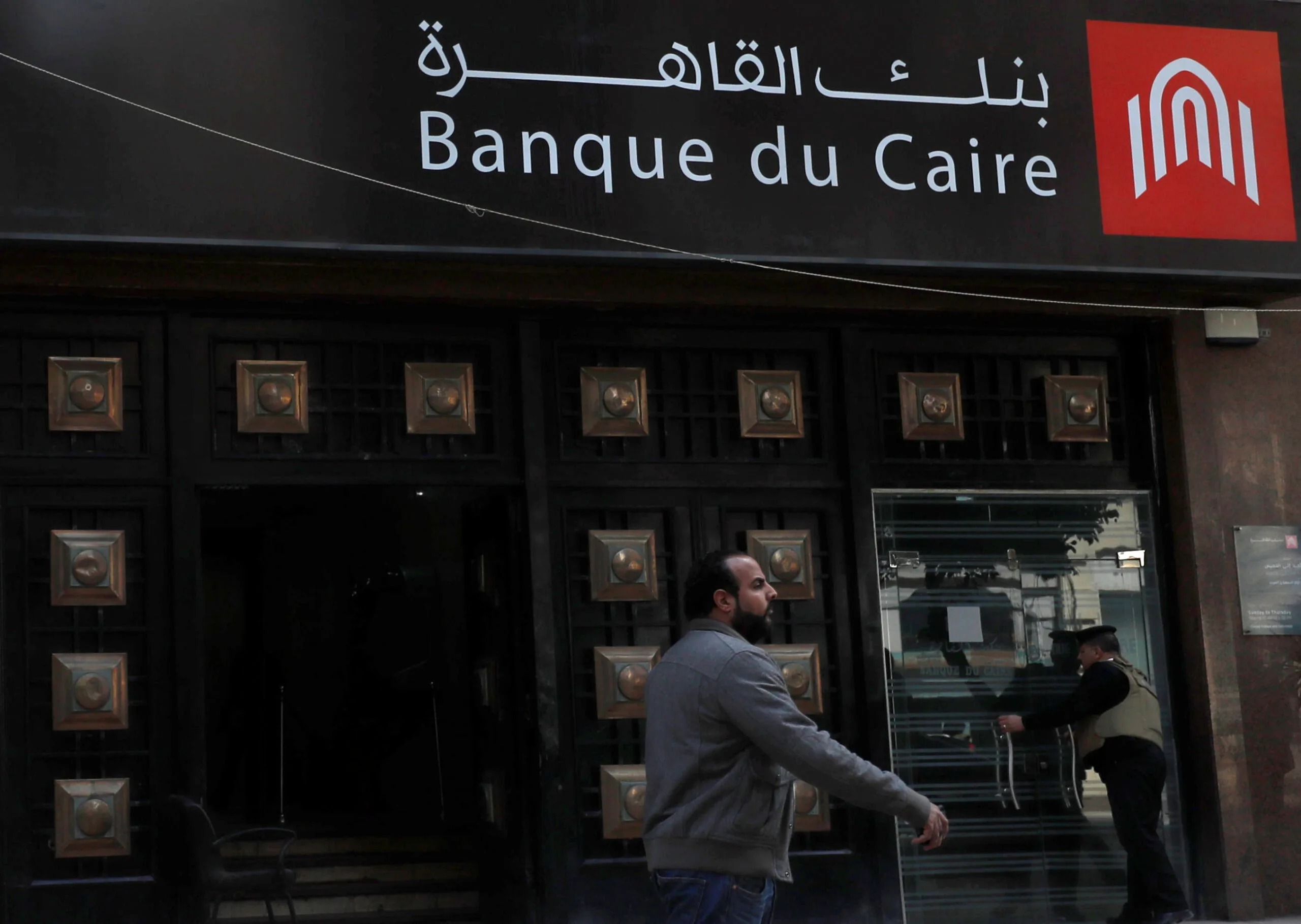
Banque du Caire has begun trading on the Egyptian Exchange following a public share offering valued at more than 36.3 billion Egyptian pounds. The listing marks the largest initial public offering in Egypt’s capital market history and represents an important development in the government’s plan to increase private sector participation in the economy.
Prime Minister Mostafa Madbouly attended the opening trading ceremony on Monday, 2 November. He said the offering demonstrated the government’s commitment to its state asset sale programme and showed that Egypt remained interested in attracting investment despite difficult international economic conditions.
The offering placed the bank’s market valuation above 80.8 billion Egyptian pounds. Officials described the result as a sign of investor confidence in the banking sector and the country’s financial market. The listing also coincided with the 100th anniversary of trading at the Egyptian Exchange’s historic headquarters, giving the event additional significance.
Egypt’s State Ownership Policy is designed to reduce the government’s role in selected commercial activities while expanding opportunities for private investors. The programme includes plans to offer stakes in state-owned companies and encourage local and foreign investment in different sectors.
Madbouly said the government intended to continue selling stakes in state-owned businesses. He argued that the process could improve company performance, strengthen corporate governance and increase transparency. Greater private sector participation is also expected to support competition and improve the use of capital.
The Banque du Caire listing comes as Egypt seeks to strengthen its economy and attract new sources of investment. A successful public offering can help deepen the local stock market by increasing the number of listed companies and providing investors with additional opportunities.
However, the longer-term impact will depend on how effectively the government implements its wider reform programme. Investors will be watching whether future offerings are completed on schedule and whether companies demonstrate stronger financial performance after listing.
For Egypt’s financial market, the transaction is an important milestone. It could also provide a model for future state asset sales as authorities seek to expand private investment and create a more active capital market.
