


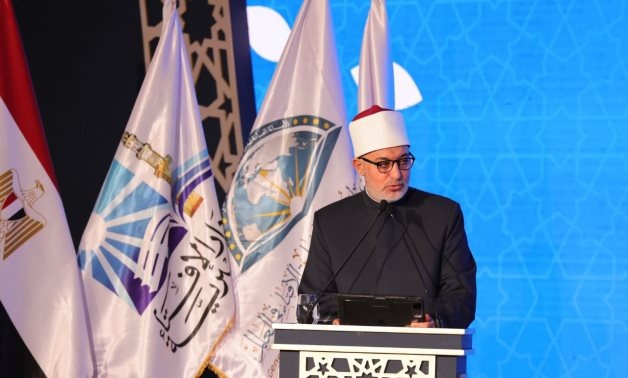
Egypt’s Dar al-Iftaa has launched a new digital platform called Sakan, designed to deliver religious guidance and counseling on family related matters through artificial intelligence powered tools. The announcement came at the close of the eleventh International Conference of Dar al-Iftaa, held over two days in Cairo under the theme of protecting the family amid rapid social and technological change.
The Sakan platform is designed to provide family related religious rulings, premarital guidance, and support for reconciliation between family members experiencing conflict, drawing on artificial intelligence to help organize and provide accessible entry points into a large body of existing religious guidance on family matters. Officials say the tool aims to make trusted religious counsel more readily available to Egyptians navigating marriage, parenting, and family conflict in an increasingly digital world.
Egypt’s Grand Mufti, Dr. Nazir Mohammed Ayyad, announced ten strategic outcomes from the conference during his closing remarks, with the Sakan platform representing just one piece of a broader package of initiatives. Other announcements included the establishment of an international fatwa reference resource, a formal declaration on family protection in the digital age, an atlas documenting challenges facing modern families, and what officials described as an Islamic charter addressing the safe use of artificial intelligence within family life.
Alongside the Sakan launch, Dar al-Iftaa announced the creation of a Permanent Family Council, which will convene on a quarterly basis to address emerging challenges and concerns affecting Egyptian families going forward. This standing body reflects an effort to move beyond one time conference recommendations toward an ongoing institutional mechanism for tracking and responding to evolving family related issues over time.
The conference recommendations addressed a wide range of contemporary pressures facing families, with particular attention paid to protecting children and young people from risks tied to virtual relationship platforms, compulsive gaming, digital gambling, and other online activities that religious scholars and researchers identified as potential threats to healthy family development. Delegates also discussed growing pressures surrounding marriage and family formation more broadly, reflecting concerns shared across many societies navigating rapidly shifting social and economic conditions.
Conference participants further addressed concerns around body image and digitally altered beauty standards circulating widely on social media platforms, calling for greater public awareness of the psychological, social, and economic effects these trends can have, particularly on younger people navigating identity formation in an increasingly image saturated digital environment. Officials framed this concern as part of a broader effort to help families maintain their values and sense of cultural identity amid rapid technological change.
The recommendations also extended beyond Egypt’s borders, with delegates calling for protecting Palestinian families and mobilizing international support for relief, recovery, and reconstruction efforts. This inclusion reflects how the conference’s broader framing of family protection intersects with humanitarian concerns tied to ongoing regional conflicts affecting families well beyond Egypt’s own population.
Religious scholars and researchers from multiple countries participated in the two day gathering, reflecting Dar al-Iftaa’s role as an influential voice within Sunni Islamic jurisprudence extending well beyond Egypt’s borders. The institution has long served as a central reference point for religious guidance across the broader Muslim world, and initiatives launched through its international conferences often carry influence reaching far beyond Egypt’s domestic population.
As the Sakan platform moves from announcement toward actual public rollout, attention will turn to how effectively it succeeds in making trusted religious guidance more accessible to Egyptian families navigating the complex pressures of modern life, while also demonstrating how religious institutions can responsibly harness artificial intelligence tools in service of their traditional counseling and guidance role.
