


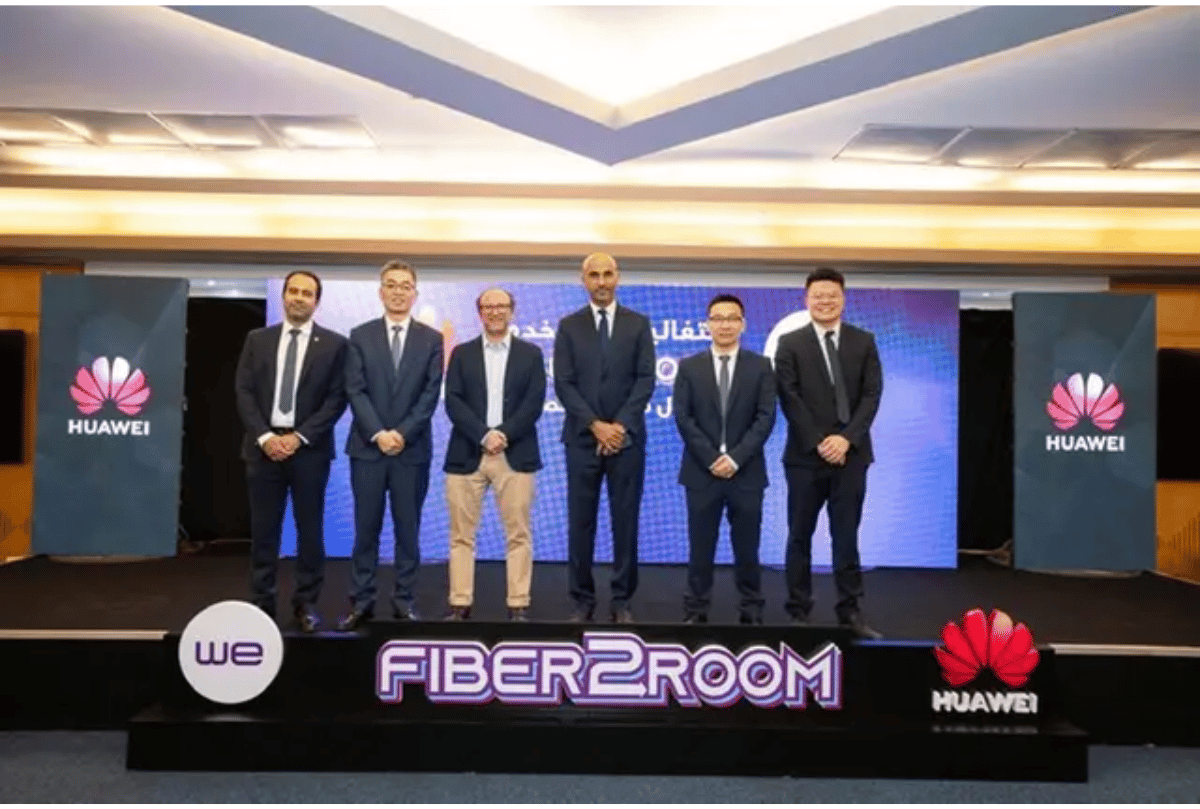
Egypt is seeing a major step in home internet services as a new fiber system launches. The new service brings faster and more stable broadband to homes. It aims to improve coverage in every room and support modern digital life. Experts say fiber networks are replacing older copper systems in many countries. This shift improves speed and reduces outages.
The service is launched by Telecom Egypt with technology support from Huawei. It introduces Fiber-to-the-Room technology. This system sends fiber signals directly into each room. It reduces weak signals and slow zones inside homes. Officials say the goal is to solve common home internet problems. These include weak Wi-Fi signals, buffering, and uneven coverage in large homes.
It is designed for smart homes, gaming users, and remote workers. It supports high speed streaming, video calls, and online learning. It also helps homes with many connected devices stay stable. It also helps families who use many devices at the same time. This includes phones, laptops, TVs, and smart home tools.
The system can support 4K and 8K video streaming. It allows many devices to connect at the same time without slowdowns. It is built for modern digital needs. Users can enjoy smoother online meetings and gaming sessions. The system reduces delays and improves response time.
Installation is fast and simple. Technicians can set up the service with minimal changes inside the home. The fiber can pass through existing ducts or new thin cables that do not affect home design. It is designed to reduce disruption during installation. Customers do not need major changes to their home setup.
Telecom Egypt said the launch is a key step for digital growth. The company said it is building a smarter home network for customers. It also said the service improves speed, stability, and user experience. It reflects Telecom Egypt’s focus on improving digital infrastructure. The company aims to expand advanced services across the country.
Huawei said the partnership supports Egypt’s digital transformation. It said the service helps homes and small businesses. It also said it brings faster and more reliable internet for future needs. Experts believe such partnerships can boost Egypt’s digital economy. They also help create more modern internet services.
The company also offers 24-hour support. Customers get professional installation from trained teams. This helps make adoption easier and faster for users across the country. It also ensures better customer satisfaction through quick support. This is important for new technology adoption in homes.
The new FTTR service marks a step forward in Egypt’s broadband market and supports the rise of smart home technology nationwide. Industry observers say FTTR could become a standard in future homes. Demand for high-speed internet continues to grow. Egypt is investing in digital transformation programs. These plans support better internet access, education, and business growth. FTTR technology fits into this national strategy. More companies are expected to explore similar fiber solutions in the coming years. Competition in broadband services is increasing in Egypt.
Consumers are showing strong interest in faster home internet. Many households want stable connections for work and entertainment. The new service aims to meet these needs in a simple way. FTTR uses fiber lines inside the home instead of relying only on wireless routers. This helps keep speed strong in every room. It is also useful in multi-floor houses where signals often drop. The system helps reduce dead zones and improves full coverage.
Telecom Egypt says it will continue investing in advanced broadband solutions. The company plans to expand fiber services to more areas. Huawei continues to focus on innovation in global connectivity. It works with partners to improve digital infrastructure worldwide. The collaboration shows strong ties between international tech firms and local telecom providers. It also reflects growing demand for smart and connected homes in emerging markets like Egypt. Experts say this trend will likely continue in the coming years. More upgrades are expected soon.
