


Egypt is stepping up efforts to protect its coastline from the growing effects of climate change by reviewing major coastal protection projects across the country. The latest assessment is part of a broader strategy to strengthen shoreline resilience, safeguard critical infrastructure, and support sustainable economic development.
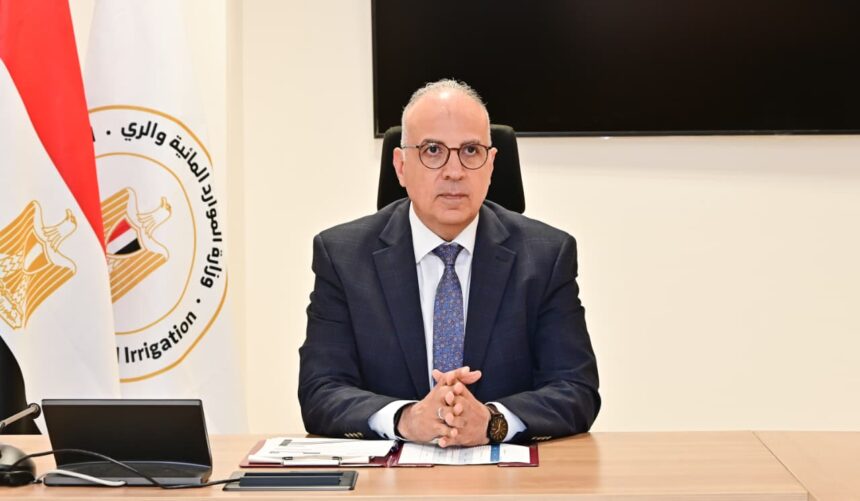
The Ministry of Water Resources and Irrigation recently held a high-level meeting to evaluate the progress of ongoing coastal protection initiatives. The session was chaired by Water Resources and Irrigation Minister Hani Sewilam and included senior ministry officials, representatives from the Egyptian Shore Protection Authority, and experts from the National Water Research Center.
The review focused on projects designed to reduce the impact of rising sea levels, coastal erosion, and other climate-related threats affecting Egypt’s Mediterranean and Red Sea coastlines.
Officials examined current work aimed at protecting urban communities, tourism facilities, industrial zones, transportation networks, and other important infrastructure located along the country’s shores.
During the meeting, Sewilam described Egypt’s coastlines as valuable national assets that support millions of people and contribute significantly to the country’s economy. He said coastal regions host major cities, ports, investment projects, and commercial activities that require long-term protection.
The minister stressed that scientific planning must remain at the center of future coastal management efforts. He said climate change has increased the need for continuous monitoring, advanced research, and accurate forecasting systems that help authorities identify risks before they become serious threats.
According to Sewilam, stronger scientific data will support faster and more informed decision-making while reducing risks to vulnerable communities, public infrastructure, and private investments.
The ministry also highlighted the importance of protecting the natural characteristics of Egypt’s beaches during construction work. Officials said coastal engineering projects should preserve normal shoreline movement and avoid creating unintended environmental impacts in neighboring areas.
Experts noted that carefully planned coastal defenses can reduce erosion while protecting marine ecosystems and maintaining the natural balance of beaches and coastal habitats.
Sewilam called for full compliance with technical, engineering, and environmental standards governing marine construction and shoreline development. He said balancing economic growth with environmental protection remains a key objective of Egypt’s coastal management strategy.
Climate change continues to increase pressure on coastlines around the world. Rising sea levels, stronger storms, changing wave patterns, and coastal flooding have become growing concerns for countries with large coastal populations and valuable waterfront infrastructure.
Egypt has invested in a range of coastal protection measures, including seawalls, breakwaters, beach nourishment projects, and monitoring systems designed to improve resilience against future climate risks.
Government agencies are also working with research institutions to improve coastal data collection and develop more effective forecasting models. These tools help planners understand long-term environmental trends and prepare for future challenges.
Officials believe that integrating scientific research with infrastructure planning will strengthen Egypt’s ability to respond to changing climate conditions while protecting both people and economic assets.
The Ministry of Water Resources and Irrigation said it will continue updating coastal management policies and regulatory procedures as part of its long-term climate adaptation strategy.
Future efforts will focus on improving environmental protection, enhancing engineering standards, and strengthening coordination between government agencies responsible for shoreline development.
By combining scientific research, sustainable planning, and modern coastal protection measures, Egypt aims to reduce climate-related risks while supporting responsible economic growth along its coastlines.
As climate challenges continue to evolve, officials say protecting Egypt’s shores will remain a national priority, helping preserve communities, infrastructure, natural ecosystems, and long-term development opportunities for future generations.
