


Egypt is stepping up efforts to grow its medical tourism sector as more international patients seek treatment at the country’s hospitals.
The General Authority for Healthcare, known as GAH, said medical tourism revenue has risen 37% from a year earlier. International revenue has now passed $10 million.
Nearly 42,000 tourists have also received medical care at GAH hospitals. The authority said the figures show rising demand for its services and stronger competition in the regional and global medical tourism market.
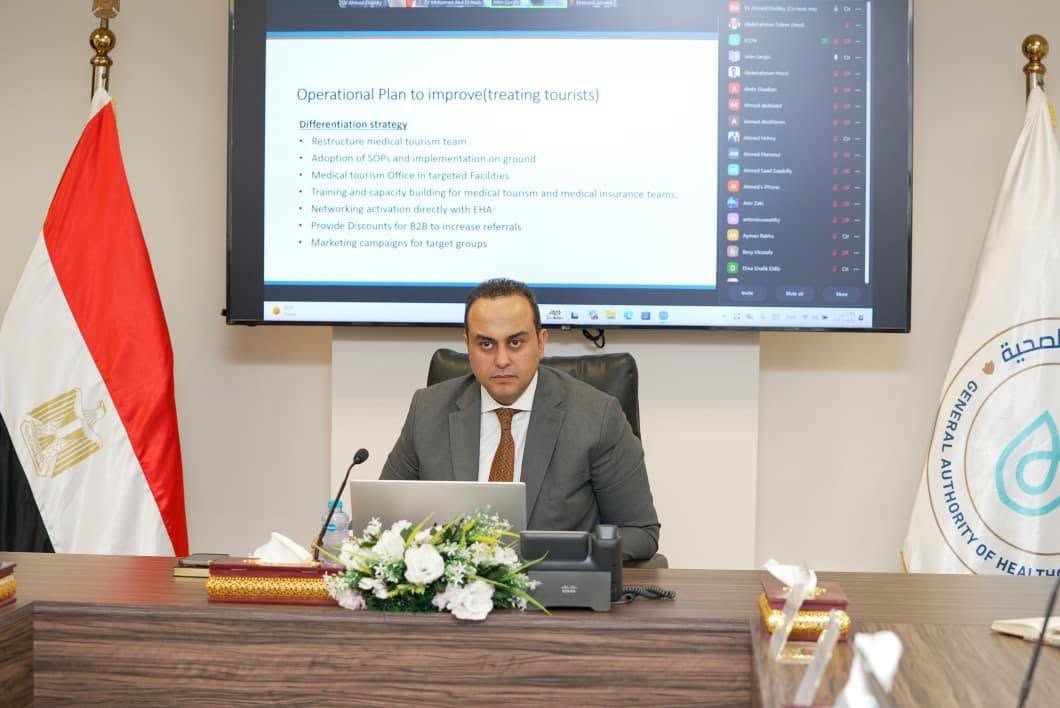
Ahmed El-Sobky, Chairperson of GAH, held a meeting with officials working on medical tourism. The meeting focused on the sector’s recent growth and ways to attract more international patients.
The authority wants to focus on medical services that have strong demand in overseas markets. These include cosmetic procedures, in-vitro fertilisation, obesity treatment and advanced dental care.
Other medical specialties will also be promoted where Egypt has strong medical skills and competitive services.
El-Sobky called for the creation of complete medical packages for international patients. These packages could combine medical care and related services based on the needs of each target market.
The aim is to make Egyptian healthcare easier to market overseas. It could also help hospitals offer clear services and prices to international patients.
Digital services will be another major part of the plan.
GAH plans to work more closely with Tour 4 Cure, Egypt’s national medical tourism platform. The authority wants to connect its medical services to the platform so foreign patients can find suitable care more easily.
The planned system will cover more parts of the patient journey. This includes marketing, referrals, coordination and patient reception.
The authority also wants to create dedicated contact points for foreign patients inside its facilities. Special areas will be set aside to support international visitors and manage contracts.
GAH said the move should create a clear system for international patients and companies that arrange medical treatment.
A more organized process could also improve the patient experience. Foreign patients would have a clear contact point from the time they arrive at a hospital until their treatment is complete.
Egypt is also looking abroad for new partnerships.
El-Sobky ordered officials to begin talks with specialist medical centres in Turkey that focus on medical tourism. GAH officials visited some of these centres during a recent trip to Turkey.
The planned cooperation will focus on medical service development, marketing and ways to attract patients from other countries.
Turkish healthcare providers have built a strong medical tourism market, especially in areas such as cosmetic care and other specialist services. Egypt hopes to learn from that experience while building new international links.
El-Sobky said international partnerships are an important part of Egypt’s medical tourism strategy.
Such partnerships can help Egyptian healthcare providers share knowledge and learn from successful models in other countries. They can also create new ways to reach patients in overseas markets.
Medical tourism has become an important part of the global healthcare market. Patients often travel abroad when they seek specialist treatment, shorter waiting times or lower costs.
Egypt has several advantages in this market. It has a large healthcare system, a growing range of specialist services and strong links with countries across Africa and the Middle East.
The country also has a major tourism industry. That can help support medical travel by allowing patients to combine treatment with a stay in Egypt.
However, competition is growing. Countries across the Middle East, Europe and Asia are investing in medical tourism and trying to attract the same international patients.
GAH plans to use stronger marketing, digital tools and international partnerships to compete.
The authority’s latest target is to build on the current rise in patient numbers and revenue. It wants to attract more international patients and increase medical tourism income.
The Egypt medical tourism growth strategy will also focus on improving the full patient experience.
If the planned changes succeed, Egypt could strengthen its position as a healthcare destination for patients from the region and beyond.
The latest revenue and patient figures suggest that demand is already growing. The next challenge will be turning that growth into a larger and more competitive medical tourism sector.
