


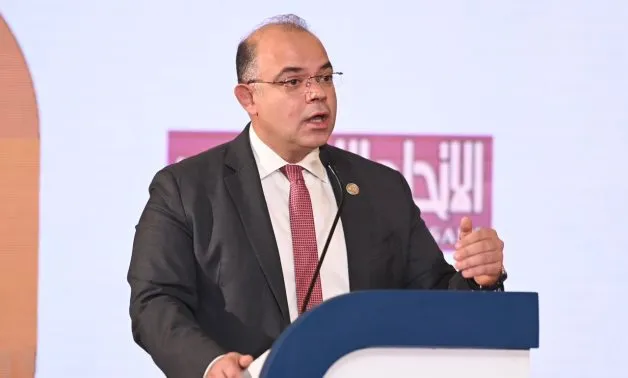
Egypt has called on Arab nations to build closer trade ties, pointing to fresh figures that show trade among Arab countries has climbed past $250 billion this year. Egyptian officials made the call during recent talks focused on deepening economic links across the region. They argued that stronger trade bonds could help Arab economies grow faster and rely less on outside markets.
Egyptian trade officials stressed the need to link up data systems and investment rules across Arab states. Right now, many countries in the region use different rules for trade and investment, which slows down business deals and raises costs for firms trying to work across borders. Egypt wants member states to agree on shared standards that make it easier for goods, money, and ideas to flow between Arab nations.
Officials pointed to strong growth in trade over recent years as proof that closer ties pay off. Rising trade between Arab states has helped many local firms expand beyond their home markets. Egyptian goods, from food products to building materials, now reach more Arab markets than in past years. Officials hope that trend will continue as governments cut red tape and build better transport links.
The push comes as Egypt works to strengthen its own economy amid global pressures. Like many countries, Egypt has faced rising prices and currency pressure in recent years. Officials see stronger regional trade as one path toward more stable growth, since it lowers Egypt’s reliance on distant markets that can shift quickly due to global shocks. Deeper Arab trade ties could also draw more investment into shared projects, from energy to transport.
Business groups across the region have welcomed the call for closer cooperation. Many firms say tangled rules and slow customs checks remain the biggest hurdle to doing business across Arab borders. Simplifying these systems could unlock billions more in trade each year, experts say. Egypt has urged fellow Arab states to move quickly, warning that global trade patterns are shifting fast and the region risks falling behind if it waits too long.
Egyptian officials also raised the idea of joint investment funds that could support large projects across several Arab countries at once. Such funds could help finance roads, ports, and factories that boost trade capacity. Officials believe pooling resources this way would let Arab nations tackle bigger projects than any single country could manage alone, spreading both the cost and the benefit across the region.
Analysts say this push fits into a broader shift happening across many parts of the world, where regional blocs are working to trade more among themselves. With global supply chains under strain from conflicts and tariffs, Arab leaders see a chance to build a more self-reliant trade network. Egypt’s call marks another step in that direction, and officials say they hope to see concrete agreements take shape at future regional meetings planned for later this year.
