


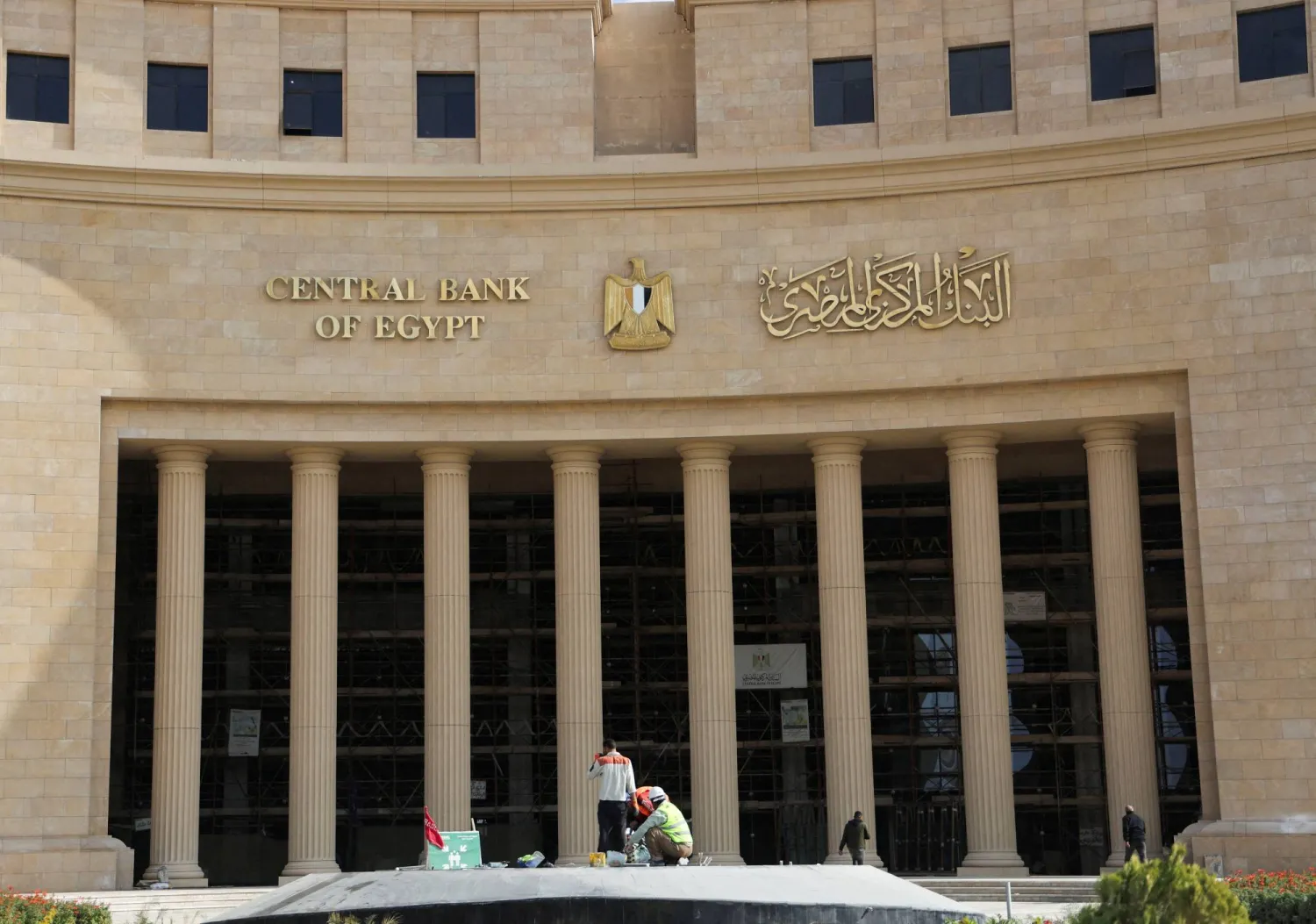
Egypt’s central bank has approved new rules for a digital identity platform. The move targets the country’s growing digital finance sector. The new framework covers a service known as the Digital Financial Identity Platform. It sets clear standards for how banks and financial firms can verify customers online.
Officials say the goal is to make financial services safer and easier to access. Digital identity checks let customers open accounts or use services without visiting a branch in person. This can save time for both banks and customers. It can also reduce paperwork and lower the risk of fraud during account setup.
The central bank has been working on digital finance reforms for some time. This latest step builds on earlier efforts to modernize banking across the country. Egypt has pushed hard to boost digital payments and online banking use in recent years. Officials see these steps as key to supporting a modern, competitive economy.
Industry watchers say the new rules could open doors for smaller financial firms as well. Fintech companies often struggle to meet strict identity verification costs. Clear national standards can lower that barrier. This may allow more firms to offer digital services without building costly systems from scratch.
The banking sector is not the only part of Egypt’s economy seeing fast change this week. The industry ministry is studying a new certification system for local manufacturing. Known as the Qeema Certificate, it would link government support to measurable performance standards. Officials say the goal is to reward companies that meet higher quality and efficiency benchmarks.
Real estate activity is also drawing fresh attention. A new service has launched to help property buyers manage financial struggles tied to real estate contracts. Developers across the country continue to report strong investment activity as well, with one firm noting billions of pounds spent on construction projects in the past two years alone.
Egypt’s broader economic picture remains mixed but active. Officials continue to focus on attracting investment while managing currency and inflation pressures. Digital reforms like the new identity platform are seen as one piece of a larger plan to modernize the economy and draw in both local and foreign capital.
Analysts say digital identity systems are becoming standard tools worldwide. Many countries have introduced similar frameworks to speed up banking and reduce fraud. Egypt’s move puts it in step with these broader global trends. Officials hope the new rules will also support financial inclusion, helping more citizens access formal banking services for the first time.
Banks operating in Egypt will now need to align their systems with the new standards. The central bank has not set a strict deadline but has urged early adoption. Officials say more guidance for banks and fintech firms will follow in the coming weeks as the rollout continues.
The reform arrives at a moment when Egypt is working to strengthen confidence in its financial sector. Officials hope that clearer digital rules, paired with wider economic reforms, will support steady growth. For now, the message from regulators is clear: modern, secure digital identity checks are becoming a core part of how Egyptians will bank in the years ahead.
