


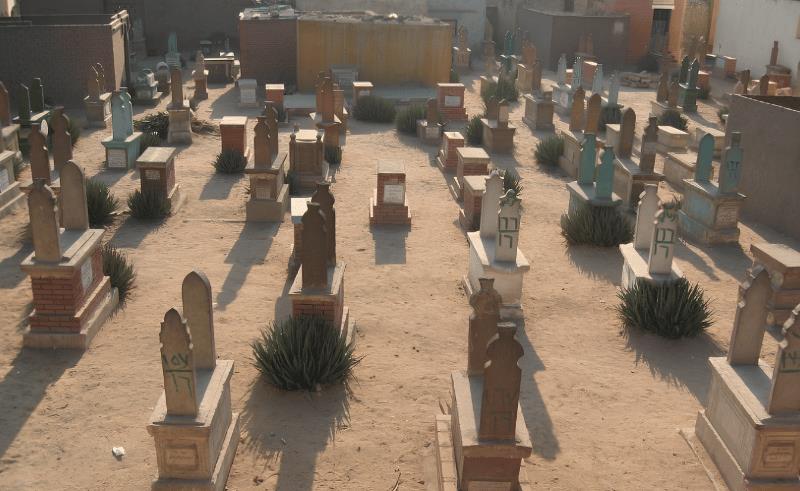
Egypt is moving forward with plans to transform Al Suyuti Cemetery in Historic Cairo into an open-air museum while preserving its role as one of the country’s most important Islamic burial sites. The restoration project aims to protect the cemetery’s rich heritage, improve visitor access, and strengthen Cairo’s position as a leading cultural tourism destination.
Prime Minister Mostafa Madbouly reviewed the project’s progress during a meeting held on July 13. Government officials said the redevelopment is part of a wider national plan to restore historic neighborhoods, protect cultural landmarks, and encourage heritage tourism across Egypt.
Al Suyuti Cemetery, also known as the Mamluk Cemetery, has developed over more than 1,000 years and is considered one of the largest Islamic funerary complexes in the world. The site contains centuries of Islamic history, architecture, and religious heritage that continue to attract scholars and visitors.
According to Awqaf Minister Osama Al-Azhari, the cemetery is the final resting place of many respected Muslim scholars from different schools of Islamic jurisprudence. Their presence has made the cemetery an important destination for visitors from across the Islamic world who wish to learn about Egypt’s religious and cultural history.
Cairo Governor Ibrahim Saber said the governorate will work closely with government agencies and other organizations to support the restoration and ensure the project is completed successfully.
Project consultant Engineer Mohamed Al-Khatib explained that the redevelopment will preserve the cemetery’s historical and spiritual importance while making it easier for visitors to explore its unique heritage. He described the vision as creating a “garden of collective memory” where history, architecture, and culture are presented in a respectful setting.
Under the proposal, visitors will be able to follow heritage trails that explain the lives of notable historical figures buried at the cemetery. The project will also highlight examples of Islamic art and architecture found throughout the site while maintaining the dignity and sacred character of the burial grounds.
Officials said the restoration is designed to balance preservation with education. Rather than changing the cemetery’s original purpose, the project seeks to improve understanding of its historical importance through carefully planned visitor facilities.
Several new features are included in the redevelopment plan. A visitor center will provide information about the cemetery’s history and significance. Open-air exhibition areas will display architectural and historical details connected to the site. Heritage interpretation trails will guide visitors through different sections while explaining their historical background.
The project will also include quiet reflection spaces where visitors can appreciate the site’s cultural and spiritual value. A specialized library is planned to support research into Islamic history, architecture, and heritage preservation.
Additional facilities will include a traditional crafts center that showcases Egyptian craftsmanship linked to Islamic heritage. Lecture halls and cultural event spaces are also planned to host educational programs, exhibitions, and public discussions focused on history and conservation.
Officials believe these additions will help create a richer visitor experience while encouraging greater awareness of Cairo’s historic landmarks. The project is expected to support both education and sustainable tourism by presenting the cemetery as an important part of Egypt’s cultural identity.
The redevelopment also aims to strengthen connections between Al Suyuti Cemetery and several nearby historic attractions. Planned links will improve access to Fustat Park, the Mosque of Amr Ibn Al-As, the mosques of Imam Al-Shafi’i, Sayyida Nafisa, and Sayyida Aisha, as well as the Sultan Hassan Mosque and the Salah El-Din Citadel.
By connecting these landmarks through heritage routes, officials hope visitors will gain a broader understanding of Historic Cairo and its role in Islamic civilization.
The restoration of Al Suyuti Cemetery reflects Egypt’s continuing efforts to preserve its historic treasures while making them more accessible to future generations. Once completed, the project is expected to protect one of the world’s most significant Islamic heritage sites and create a unique cultural destination that honors both history and tradition.
