


Türkiye and Egypt have strongly condemned recent attacks targeting Saudi Arabia and the United Arab Emirates, calling for calm and warning against any actions that could increase tensions across the Middle East. The statements came as the United Nations Security Council approved a six-month extension of its monitoring system for attacks on commercial ships in the Red Sea.
The latest developments highlight growing concerns about regional security as governments and international organizations continue to watch the situation closely. Officials say efforts to reduce tensions remain important for protecting stability and international trade.
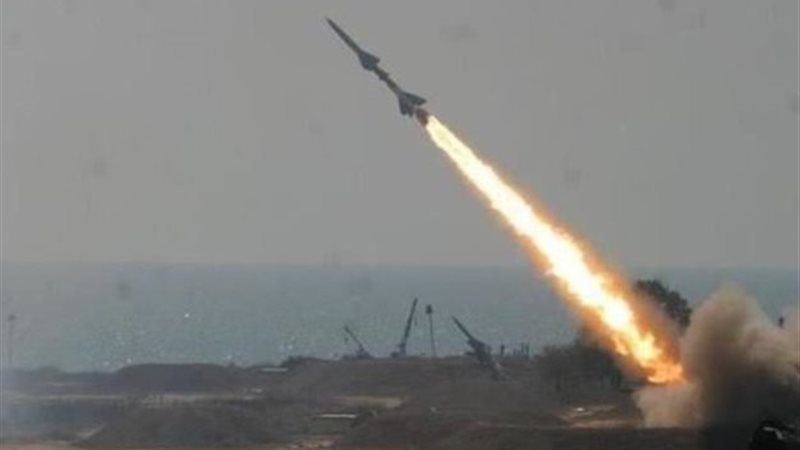
Türkiye’s Foreign Ministry condemned a missile attack aimed at southern Saudi Arabia. The ministry described the incident as a serious threat to regional peace and security. It also expressed full solidarity with Saudi Arabia and said the attack violated the country’s sovereignty and territorial integrity.
The ministry urged all sides to avoid actions that could increase conflict in the region. Officials stressed the need for restraint and called for steps that support stability instead of further escalation.
Egypt also released a statement condemning the missile attack on Saudi Arabia. The country’s Foreign Ministry described the incident as a dangerous escalation that threatens Saudi Arabia’s security and weakens efforts to reduce regional tensions.
Egypt reaffirmed its support for Saudi Arabia and repeated its opposition to attacks that threaten the country’s sovereignty or regional stability. Officials said maintaining peace and security remains a shared priority for countries across the region.
In a separate statement, Egypt also condemned attacks on two oil tankers from the United Arab Emirates while they were traveling through the Strait of Hormuz. The ministry described the incident as a serious violation of international law and warned that such actions could threaten maritime security and the free movement of global trade.
Officials noted that the Strait of Hormuz is one of the world’s most important shipping routes. Any disruption in the area could affect international trade and energy supplies. Egypt called on all parties to respect international law and avoid actions that could expand the conflict.
Saudi Arabia said its air defense systems intercepted ballistic missiles launched toward the country’s southern region. The United Arab Emirates reported that two of its oil tankers, Mombasa and Al Bahiyah, were struck by cruise missiles while sailing through the southern shipping lane of the Strait of Hormuz in Omani territorial waters.
The incidents have increased international attention on security in major shipping routes across the Middle East. Governments continue to monitor developments as concerns grow over the possible impact on regional stability and global commerce.
At the same time, the United Nations Security Council voted to extend its monitoring mechanism covering attacks on commercial vessels in the Red Sea. The council adopted Resolution 2826, which requires United Nations Secretary-General António Guterres to continue submitting monthly reports on attacks linked to the Houthis.
The resolution was approved with 13 votes in favor and no votes against. China and Russia abstained from the vote. The reporting requirement will remain in place until January 15, 2027.
The Security Council first introduced the reporting system in January 2024 after a series of attacks on commercial shipping raised international concerns about maritime safety in the Red Sea.
United Nations officials continue to encourage diplomatic efforts to reduce tensions. The organization’s Special Envoy for Yemen recently warned that the region faces the risk of wider conflict if violence continues. He urged all parties to participate in United Nations-led dialogue and work toward a lasting political solution.
International leaders continue to emphasize the importance of protecting regional stability, ensuring safe shipping routes, and supporting diplomatic efforts. As tensions remain high, governments and global organizations are expected to closely monitor future developments while encouraging peaceful solutions that reduce the risk of further conflict.
