


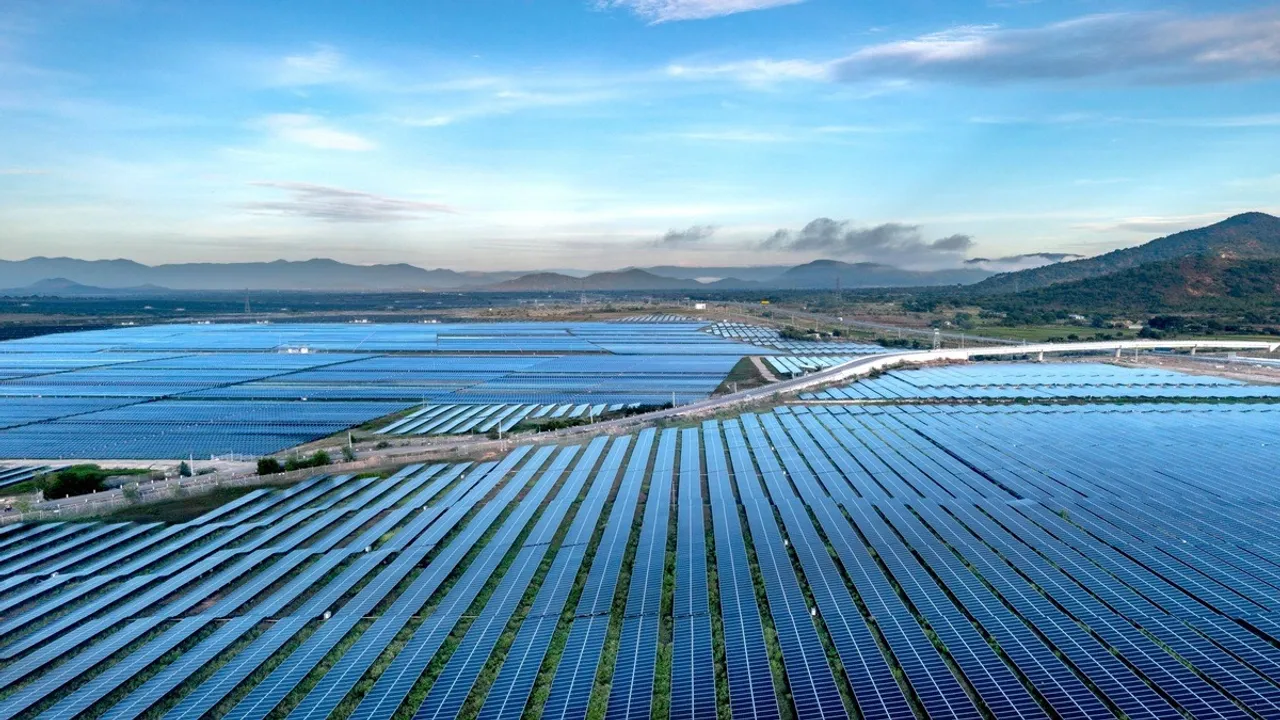
The African Development Bank Group has approved financing of up to $66 million for the first phase of the Egypt Dandara Solar Project, marking a major step in the country’s clean energy plans. The investment will support the construction of a 500-megawatt solar power plant with a 100-megawatt-hour Battery Energy Storage System in Egypt’s Qena Governorate.
The funding package includes $46 million from the African Development Bank’s ordinary resources and $20 million from the Clean Technology Fund, which operates under the Climate Investment Funds. The remaining financing will come from additional lenders to cover the project’s total estimated cost of more than $290 million.
The large-scale solar project is expected to strengthen Egypt’s renewable energy sector while supporting the country’s long-term energy security and sustainability goals. Officials believe the investment will help increase clean electricity production and reduce dependence on traditional energy sources.
Once completed, the solar power plant will generate electricity that will be supplied to the Egypt Aluminum Company under a 25-year corporate power purchase agreement. The electricity will be delivered through the national transmission network using services provided by the Egyptian Electricity Transmission Company under a wheeling agreement.
Construction is expected to continue over the next few years, with commercial operations planned to begin in early 2028. After entering service, the facility is projected to generate around 1,373 gigawatt-hours of electricity each year, providing a reliable source of renewable energy for industrial use.
The project is also expected to create significant employment opportunities. During the construction phase, around 2,500 jobs are expected to be generated, supporting workers across engineering, construction, and related industries. Once the plant begins operating, it is expected to provide about 23 permanent jobs each year for ongoing operations and maintenance.
Environmental benefits are another major part of the project. The solar facility is expected to reduce carbon dioxide emissions by around 500,000 tons every year. Over its expected operating lifetime, the project could prevent approximately 12.5 million tons of carbon dioxide emissions, supporting Egypt’s efforts to address climate change and expand renewable energy capacity.
The addition of a 100-megawatt-hour battery energy storage system will help improve the reliability of electricity generation by storing excess solar power for use when sunlight is unavailable. This technology is expected to increase grid stability and make renewable energy more dependable for industrial customers.
The African Development Bank continues to support renewable energy investments across Africa as countries work to improve electricity access, reduce emissions, and encourage sustainable economic growth. Projects such as the Egypt Dandara Solar Project demonstrate the growing role of international financing in expanding clean energy infrastructure across the continent.
With construction expected to begin following financial close, the project represents another important milestone in Egypt’s renewable energy strategy. The combination of solar generation, battery storage, long-term industrial power supply, job creation, and lower carbon emissions is expected to deliver lasting economic and environmental benefits while supporting the country’s transition toward a cleaner energy future.
