


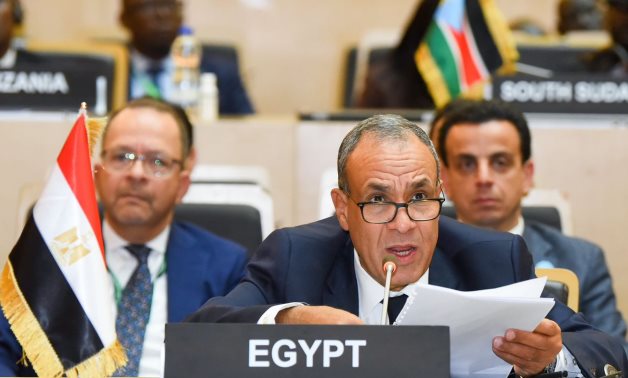
Egypt is playing an active role in supporting ongoing diplomatic efforts between the United States and Iran, as regional and international partners continue to push for dialogue over conflict. The move reflects Cairo’s wider strategy to promote stability and reduce escalation risks in the Middle East.
Recent diplomatic developments show that Egypt has been working alongside several countries to keep communication channels open between Washington and Tehran. These efforts aim to support negotiation processes and prevent tensions from rising further in an already fragile regional environment.
Officials and diplomatic sources say Egypt’s involvement focuses on maintaining momentum in talks rather than acting as a formal negotiator. Instead, Cairo helps facilitate communication and supports indirect exchanges between the involved parties. This approach is seen as important when direct talks face political or security barriers.
Egypt has repeatedly expressed support for diplomatic solutions in the US-Iran relationship. It has called for dialogue as the main path to resolving disputes and avoiding further escalation. This position aligns with its broader foreign policy, which prioritizes regional stability and conflict prevention.
At the regional level, Egypt is not acting alone. Other countries, including Turkey, Pakistan, and Saudi Arabia, are also involved in supporting diplomatic engagement. Together, they form a broader network of mediation efforts that aim to reduce tensions and encourage negotiations.
According to diplomatic observers, these joint efforts help keep communication lines open even during periods of uncertainty. In many cases, indirect dialogue plays a key role in preventing misunderstandings and maintaining space for future agreements.
Egypt’s role has gained attention in recent months as regional conflicts and tensions have increased. The country has positioned itself as a bridge between different sides, using its relationships with both Western and regional actors to support diplomatic exchange.
Reports indicate that Egypt’s diplomatic efforts often include coordination with international partners. These discussions focus on de-escalation strategies, regional security concerns, and long-term stability. While outcomes vary, the continued engagement is seen as a positive sign for ongoing peace efforts.
At the same time, the situation remains complex. The United States and Iran continue to have deep political differences, including over security policies and regional influence. These issues make progress in negotiations difficult and slow.
Despite these challenges, there is growing international support for dialogue. Many countries believe that continued communication is necessary to avoid further conflict. Egypt’s involvement is viewed as part of this broader diplomatic push.
Experts note that Egypt’s role is largely based on trust and long-standing diplomatic ties. Its ability to communicate with multiple sides gives it a unique position in regional mediation efforts. This allows Cairo to contribute to discussions even when formal negotiations are not active.
The ongoing diplomatic activity reflects a shared understanding among involved countries that escalation would have wider consequences. These include risks to regional security, energy markets, and global economic stability.
For now, Egypt continues to support efforts aimed at maintaining dialogue between the United States and Iran. While no final agreement has been reached, the continued engagement of multiple countries suggests that diplomatic channels remain open.
The situation is still evolving, but Egypt’s role highlights a steady push toward negotiation over confrontation. Its participation underscores the importance of regional cooperation in managing complex international disputes and keeping the possibility of peace alive.
