


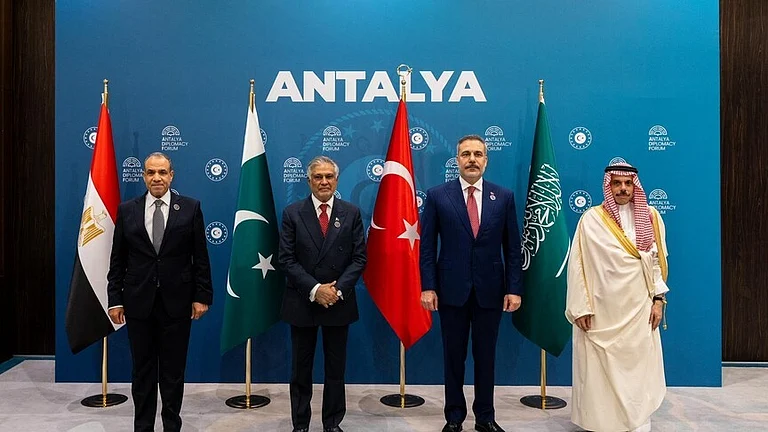
Egypt and Pakistan have stepped up diplomatic engagement through fresh high-level talks aimed at improving coordination on regional and international issues. The discussions focused on aligning strategies and supporting ongoing negotiations linked to de-escalation efforts in sensitive conflict areas.
Senior diplomats from both countries took part in the talks. They reviewed current regional developments and shared views on how to reduce rising tensions. Both sides stressed the need for continued dialogue and cooperation to avoid further instability.
Officials said the meeting reflects growing communication between Cairo and Islamabad. The two countries have increased contact in recent months as part of wider diplomatic efforts. This includes coordination on regional security concerns and political developments affecting multiple countries.
Egypt has been active in regional mediation efforts for several years. It often engages with different states to support dialogue and reduce conflict risks. Pakistan also plays a role in regional diplomacy, particularly in matters involving stability in neighboring regions and broader international relations.
During the talks, both sides discussed ways to support ongoing negotiation channels. These channels are aimed at lowering tensions and encouraging peaceful solutions. While no specific agreements were announced, both countries agreed to continue close consultation.
Diplomatic sources say the discussions also covered broader regional stability. Issues such as political uncertainty, security concerns, and economic pressure were part of the agenda. Both countries emphasized that cooperation is important in managing these challenges.
The meeting also highlighted the importance of consistent communication. Officials noted that regular contact helps prevent misunderstandings between states. It also supports faster responses when tensions rise in different parts of the region.
Egypt’s role in regional diplomacy has expanded in recent years. It has positioned itself as a bridge between different political actors. This allows Cairo to take part in discussions involving multiple sides and support indirect communication when direct talks are difficult.
Pakistan’s involvement in such coordination efforts reflects its interest in regional stability as well. Islamabad has maintained diplomatic ties with various regional and global partners. This allows it to contribute to discussions on de-escalation and conflict prevention.
Both countries agreed that diplomacy remains the most effective path forward. They stressed that military escalation or prolonged conflict could harm regional security and economic conditions. As a result, continued dialogue was seen as essential.
The talks also come at a time when many regions are facing complex political challenges. Tensions in several areas have raised concerns about stability and long-term peace. Diplomatic coordination between countries like Egypt and Pakistan is viewed as a way to help manage these risks.
Officials pointed out that international cooperation is becoming more important. Global challenges often require joint efforts rather than isolated actions. This includes working through diplomatic channels to support negotiation and reduce conflict pressure.
While the meeting did not produce major policy announcements, it was seen as a step forward in building trust. Both sides expressed willingness to continue engagement in future discussions. This ongoing contact is expected to support broader diplomatic efforts in the region.
Observers say such meetings help maintain open lines of communication. Even without immediate results, they create space for understanding and future cooperation. This is especially important in times of uncertainty.
Egypt and Pakistan are expected to continue their diplomatic engagement in the coming months. Both countries have signaled interest in maintaining coordination and supporting peaceful solutions through dialogue.
The latest talks reflect a shared view that diplomacy remains key to stability. By strengthening communication, both sides aim to contribute to broader efforts to reduce tensions and support long-term peace in the region.
