


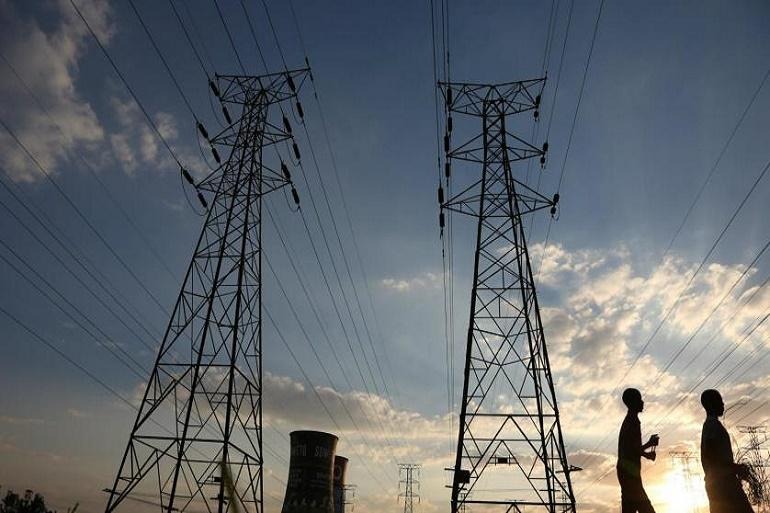
Egypt Sudan power interconnection capacity has climbed to seventy five megawatts, according to a joint announcement from energy officials in both countries. The upgrade aims to stabilize electricity supplies and support farming communities in Sudan’s Northern State. Officials called the expansion a vital step for a region strained by years of conflict and damaged infrastructure.
The two countries also agreed to fast track a second phase of the grid link, targeting a capacity of three hundred megawatts. Officials described an eventual long term goal of reaching one thousand megawatts as the interconnection matures further. Reaching that scale would mark a major expansion from where the project stood just a few years ago.
Under the current agreement, Egypt and Sudan will jointly repair transmission grids, generation stations, and transformers damaged during Sudan’s ongoing war. Years of conflict have badly weakened Sudan’s domestic power infrastructure, leaving many communities without reliable electricity. Egyptian support offers a practical lifeline while Sudan works to rebuild damaged systems over time.
Expansion plans include completing a double circuit transmission line connecting Toshka in southern Egypt with Wadi Halfa in northern Sudan. This upgraded line would allow higher power transfer loads once future phases come online. Engineers say the connection represents one of the more ambitious cross border energy projects in the wider region.
Bilateral talks held in Cairo also touched on joint renewable energy ventures between the two nations. Officials discussed solar and wind projects aimed at diversifying Sudan’s power generation mix beyond traditional sources. Technical training programs for Sudanese utility workers formed another key part of the broader cooperation agreement.
Egyptian Minister of Electricity and Renewable Energy Mahmoud Esmat reaffirmed Cairo’s commitment to supporting Khartoum through this difficult period. He said Egypt would offer engineering expertise, equipment, and training programs to help rebuild Sudan’s power infrastructure over time. Sudanese officials welcomed the support, calling it essential for stabilizing their domestic grid.
The interconnection serves as a critical energy lifeline for communities in Sudan’s Northern State. Expanding agricultural schemes and residential centers there depend heavily on stable base load electricity imported from Egypt. Without this support, officials say farming output and basic services in the region would face serious disruption.
Egypt has worked for years to position itself as a regional energy hub, connecting its grid to multiple neighboring countries. Existing links to Libya and Jordan already support this broader strategy, with additional connections to Greece, Cyprus, and Saudi Arabia under discussion. Officials see the Sudan link as one important piece of this wider regional vision.
Economists note that stronger energy ties between Egypt and Sudan carry benefits beyond electricity alone. Deeper infrastructure cooperation often leads to expanded trade and closer economic integration between neighboring countries over time. Egyptian officials hope this project encourages further joint ventures as conditions in Sudan gradually stabilize.
For now, the immediate priority remains keeping the current seventy five megawatt link running reliably while planning for future phases. Officials on both sides say they remain committed to the timeline for reaching three hundred megawatts in the coming phase. Whether the more ambitious one thousand megawatt goal arrives on schedule will likely depend on how quickly Sudan’s broader stability improves.
Regional energy experts say projects like this one carry importance well beyond the two countries directly involved. A more stable and interconnected power grid across northeast Africa could eventually support wider economic integration among neighboring states. Officials in Cairo have repeatedly framed such cross border infrastructure as part of a long term vision for regional cooperation extending far beyond electricity alone.
Humanitarian organizations working inside Sudan have welcomed news of expanded power capacity, noting that reliable electricity underpins everything from water pumping to medical equipment in conflict affected areas. Aid groups say consistent power supply remains one of the most basic yet critical needs in regions recovering from prolonged fighting. Egyptian officials say they remain aware of this humanitarian dimension alongside the project’s broader economic goals.
