


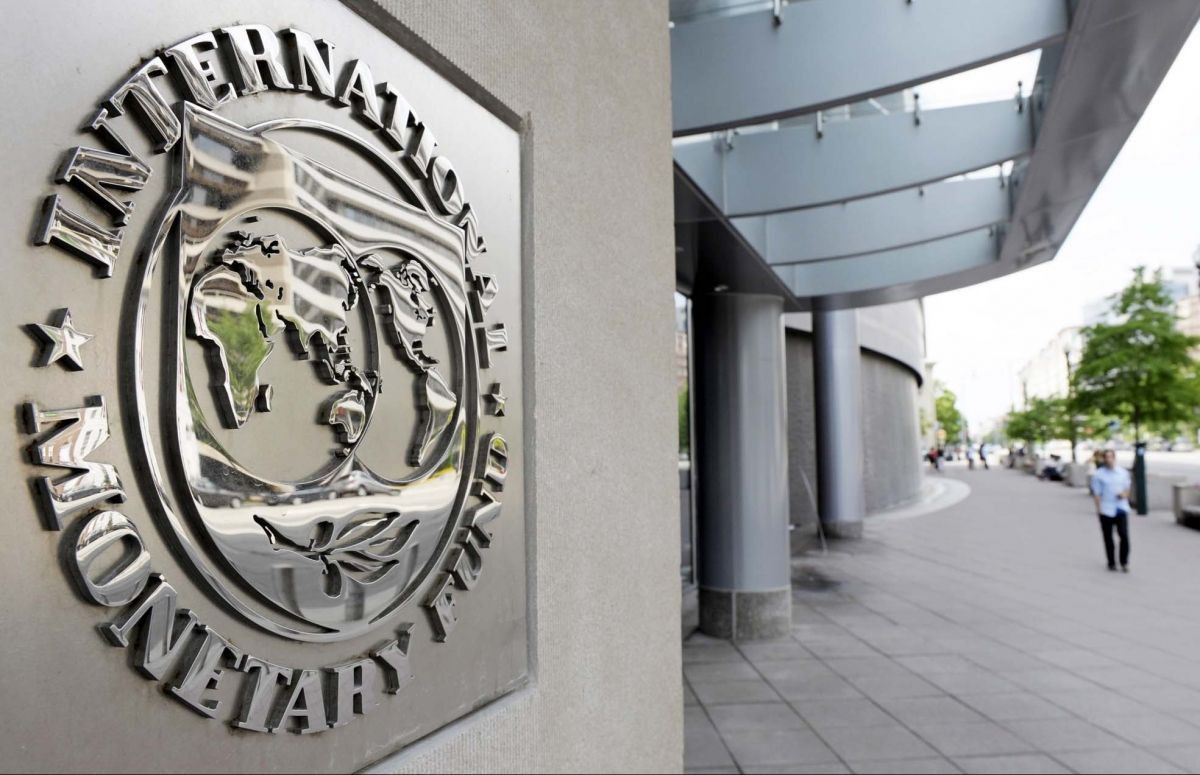
The International Monetary Fund has lowered its growth forecast for Egypt this year, pointing to rising oil prices and ongoing regional tensions as the main reasons behind the downgrade. The fund now expects the economy to grow four point two percent in 2026, down from earlier estimates, citing pressure from Egypt’s position as a major energy importer at a time when global oil prices remain elevated due to conflict in the Middle East.
Despite the lower forecast, Egypt’s economy has shown real signs of recovery over the past year. Growth reached roughly five point three percent in the first half of the current fiscal year, supported by rising private investment and a steady rebound in sectors hit hard by past currency troubles. Officials point to a widening industrial base and growing efforts to export more manufactured goods as signs of underlying strength, even as broader risks remain.
A weaker Egyptian pound has made local factories more competitive on international markets, helping exporters compete for business even as domestic costs remain elevated. Tourism, one of the country’s most important sources of foreign currency, has stayed resilient despite ongoing turmoil elsewhere in the region. Visitor numbers climbed sharply in the first half of the year, offering a welcome boost to an economy that relies heavily on income from foreign travelers.
Inflation remains one of the biggest challenges facing everyday Egyptians. Prices have stayed stubbornly high, with annual inflation still running close to thirteen percent, even after significant improvement from the extreme levels seen a few years ago. Housing and utility costs have climbed particularly fast, driven largely by higher electricity prices, while transport costs remain elevated due to earlier fuel price increases tied to global oil market pressure.
Egypt continues to carry a heavy debt burden, with a large share of the national budget going toward interest payments rather than public services like schools and hospitals. Economists say this leaves little room for the government to absorb new shocks without further budget strain. Any sudden jump in oil prices or a slowdown in tourism could quickly widen fiscal gaps that officials have worked hard to narrow in recent years.
The government has continued pushing structural reforms aimed at improving the broader business environment and encouraging more private investment. Officials have worked to reduce the state’s direct role in parts of the economy, alongside efforts to settle outstanding debts owed to international energy companies operating in the country. These steps aim to build a more resilient foundation for long term growth, even if near term progress remains gradual.
Egypt’s economic importance extends well beyond its own borders. As the most populous country in the Arab world and a key link in Mediterranean and Red Sea trade routes, its economic performance carries weight across the wider region. The country’s recovery is often viewed as an important test of whether tough economic reforms guided by international lenders can deliver lasting stability without placing excessive strain on ordinary households.
Looking ahead, much depends on how the regional conflict between the United States and Iran develops in the coming months. If tensions ease and oil prices retreat from current levels, Egypt’s economic numbers could end up beating the more cautious forecast recently issued by the IMF. For now, officials in Cairo say the approach remains one of steady progress rather than premature celebration, as the country continues working through a delicate balance between growth, inflation, and debt repayment obligations that will shape its economic path well into next year.
