


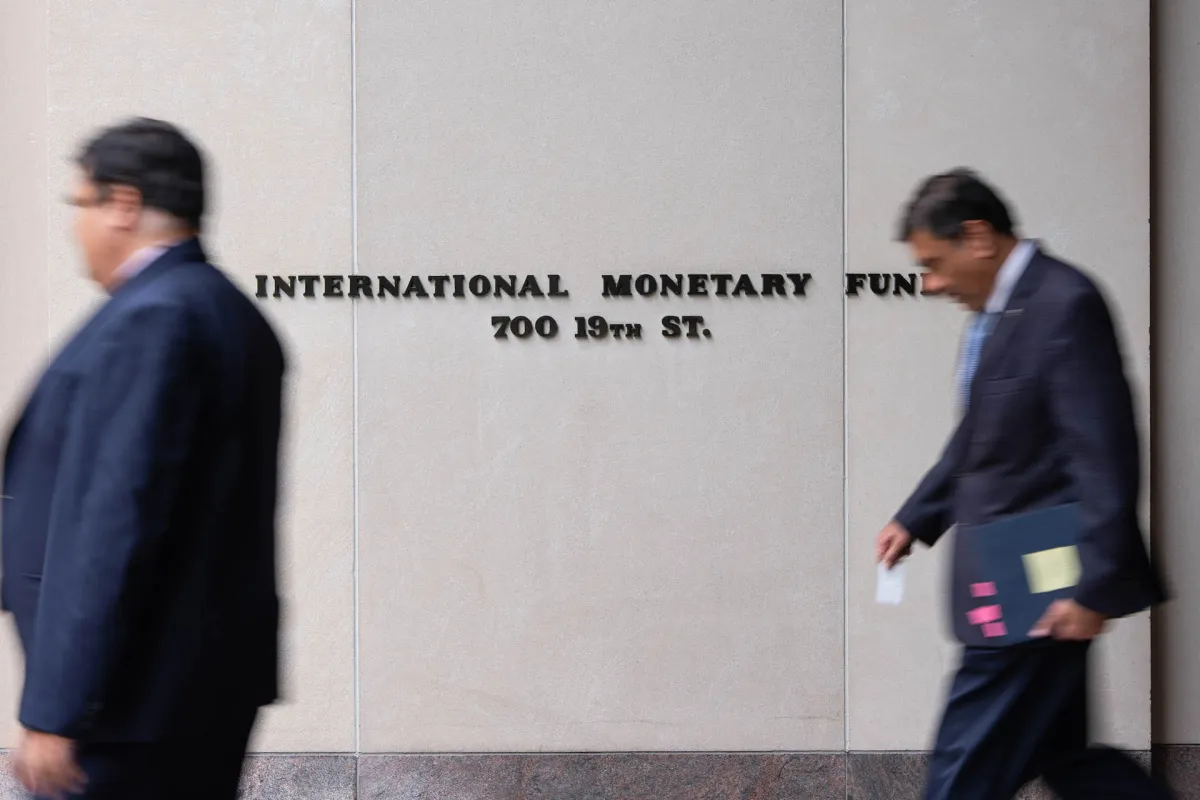
The International Monetary Fund has concluded a two-week visit to Cairo as Egypt moves closer to securing the next tranche of its financial support package. The talks are part of the ongoing review of Egypt’s economic reform program, which is expected to unlock a new disbursement by late June.
The visit focused on assessing key economic reforms, including privatization plans, fiscal adjustments, and foreign currency stability. Officials said discussions between the IMF team and the Egyptian government were positive and productive throughout the review process.
International Monetary Fund is currently evaluating Egypt’s progress under its reform program, with particular attention to state asset sales and broader economic restructuring measures. The IMF views privatization as a key condition for continued financial support.
Government sources said negotiations also covered Egypt’s medium-term foreign exchange reserves and the country’s transition from in-kind subsidies to cash-based support systems. The IMF has encouraged stronger social protection measures to shield low-income households from reform impacts.
The discussions also reviewed expected external funding inflows, including European Union macro-financial assistance. Officials said part of the EUR 3 billion support package is expected to be released in stages before the end of the year, depending on reform progress.
Egyptian officials, including Mostafa Madbouly, said the talks with the IMF were progressing well and expressed optimism about reaching final agreement on the review.
The IMF mission’s visit comes at a critical time for Egypt’s economy, which continues to face pressure from high debt servicing costs and global economic uncertainty. Policymakers have maintained a cautious monetary stance to manage inflation and stabilize financial markets.
In a related development, Egypt’s central bank has kept interest rates unchanged for the second consecutive meeting, signaling a “wait-and-see” approach as it balances inflation risks and economic growth concerns.
At the same time, Egypt is working to strengthen its energy and resource sectors. New discoveries in the Western Desert are expected to support domestic production targets and reduce reliance on imported energy supplies.
Officials say expanding local gas production remains a priority, with plans to significantly increase output over the coming months. This is part of a broader strategy to improve energy security and reduce foreign currency pressure.
Beyond energy, Egypt is also pursuing a strategy to position itself as a regional trade and logistics hub. Authorities are in talks with international partners to expand grain storage and re-export capacity through its ports and economic zones.
The goal is to turn Egypt into a key distribution center for global grain flows, particularly between Europe, the Middle East, and Africa. This plan gained momentum after global supply disruptions highlighted the importance of diversified trade routes.
Economic analysts say Egypt’s location near major shipping routes gives it a strategic advantage in becoming a regional hub for commodities trade. However, success will depend on infrastructure expansion and long-term investment commitments.
The IMF review is seen as a crucial step in maintaining international financial support and investor confidence. The next phase of the program is expected to focus on completing reform benchmarks and ensuring fiscal stability.
Further announcements on the IMF agreement and upcoming disbursement are expected in the coming weeks as final technical details are completed between both sides.
