


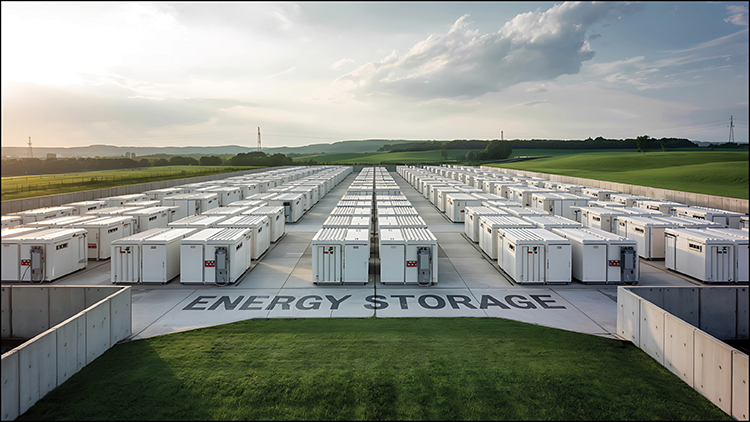
Egypt has approved two major Egypt Battery Storage Projects by granting golden licenses to large-scale Battery Energy Storage System (BESS) developments. The projects are expected to strengthen the country’s renewable energy sector, attract significant foreign investment, and create more than 3,000 jobs.
The Cabinet approved the licenses for projects developed by Nefertiti Energy Storage Batteries Company and Horus Energy Storage Batteries. The approvals allow both companies to move forward with the design, construction, operation, and management of advanced battery energy storage facilities.
A golden license is a special investment approval issued by the Egyptian government for strategic projects. It allows investors to complete construction, operation, and business management under a single authorization, replacing the need to obtain multiple permits from different government agencies. The process is designed to simplify investment procedures and speed up project implementation.
The first project will be developed by Nefertiti Energy Storage Batteries Company in the Benban area of Aswan Governorate. The facility will cover more than 214,000 square meters and focus on the design, construction, operation, maintenance, and management of Battery Energy Storage Systems.
The Nefertiti project represents an investment of approximately $450 million. Government officials expect the development to create around 1,650 employment opportunities during construction and operation.
The second project will be developed by Horus Energy Storage Batteries. The facility will occupy more than 177,000 square meters in the Zaafarana area of Suez Governorate, a region that has become one of Egypt’s leading renewable energy hubs.
The Horus project includes the design, construction, manufacturing, operation, and maintenance of battery energy storage systems capable of storing electricity generated from multiple energy sources.
Officials said the Horus development will receive an investment of approximately $350 million and is expected to create about 1,400 jobs.
Both projects aim to improve environmental sustainability by supporting cleaner energy production, reducing carbon emissions, and promoting more efficient use of natural resources. Battery storage systems help improve the reliability of renewable energy by storing electricity when production is high and releasing it when demand increases.
Battery Energy Storage Systems, commonly known as BESS, play an increasingly important role in modern electricity networks. These systems use large rechargeable batteries, advanced software, and power management technologies to store electricity from renewable sources such as solar and wind energy or directly from the national power grid.
Stored electricity can later be supplied during periods of high demand, helping stabilize power networks, improve energy efficiency, reduce electricity costs, and provide backup power when needed.
Energy experts consider battery storage a key technology for expanding renewable energy because solar and wind generation depend on weather conditions. Storage systems allow excess electricity generated during sunny or windy periods to be used later when production declines.
The new projects also support Egypt’s broader energy transition strategy. The government has accelerated its renewable energy targets, aiming to generate 42 percent of the country’s electricity from renewable sources by 2030, five years earlier than originally planned.
Under Egypt’s updated Integrated Sustainable Energy Strategy, clean energy is expected to account for more than 60 percent of total electricity generation by 2040. Renewable energy currently contributes about 12 percent of Egypt’s electricity production.
Officials believe expanding battery storage capacity will help integrate larger amounts of renewable electricity into the national grid while improving energy security and supporting sustainable economic growth.
The approval of the two golden licenses reflects Egypt’s continued efforts to attract investment into renewable energy infrastructure. As new solar, wind, and energy storage projects move forward, the country aims to strengthen its position as a regional leader in clean energy development while creating jobs and supporting long-term environmental goals.
