


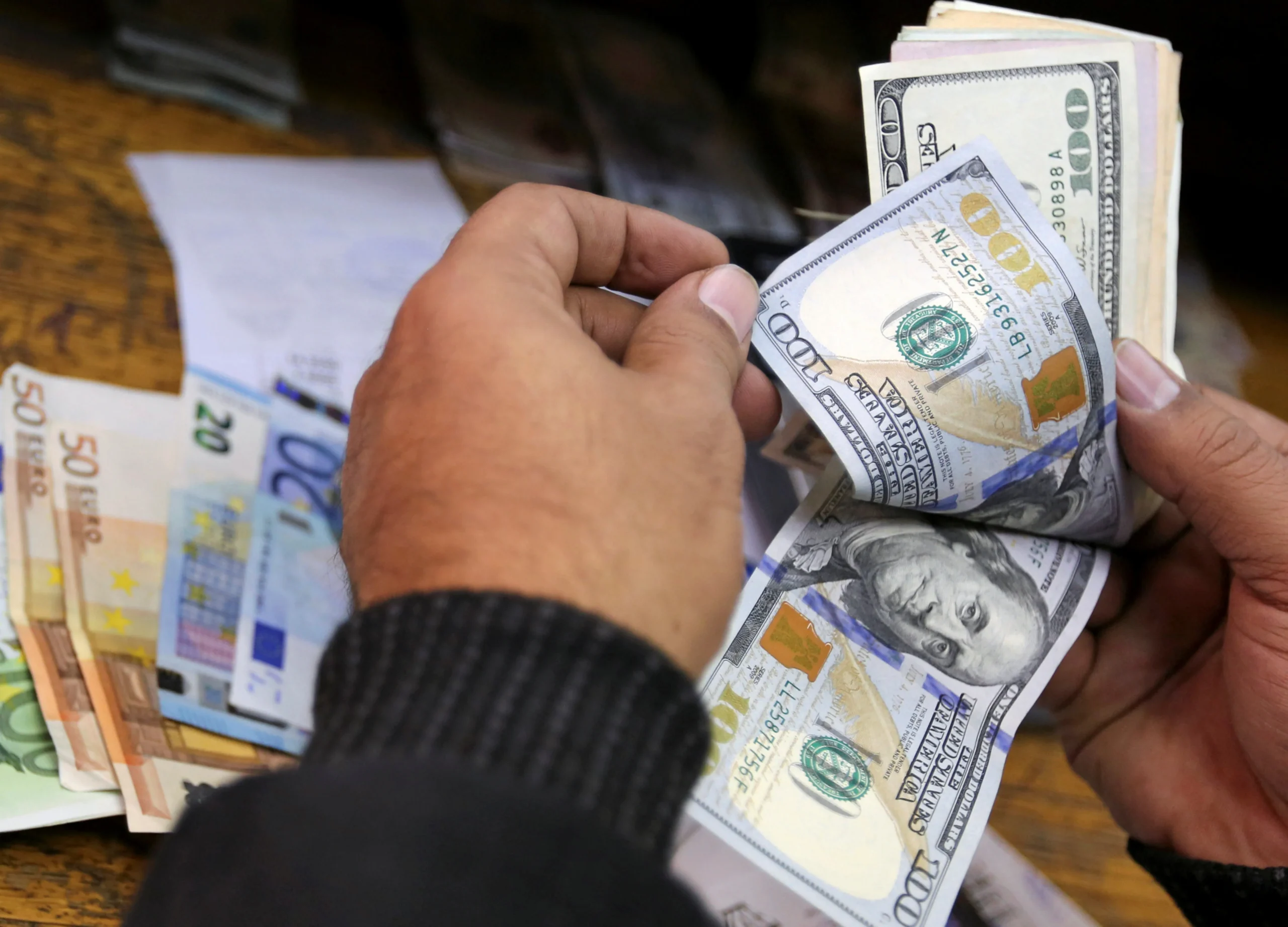
Money sent home by Egyptians working abroad reached a record $13 billion during the first quarter of the 2026–2027 financial year, providing another major source of foreign currency for the country’s economy. The Central Bank of Egypt reported that remittance inflows between July and September increased by 20.4 percent compared with the same period a year earlier.
The latest figures show that transfers rose from approximately $10.8 billion in the first quarter of the previous financial year. The increase reflects the continued recovery of money sent through official banking channels after Egypt changed its exchange-rate system in March 2024. The move helped reduce the difference between official and unofficial currency rates and encouraged more people abroad to transfer funds through regulated financial institutions.
The growth was not limited to the latest quarter. Remittances reached a record $38.2 billion during the first nine months of 2026, covering January to September. This was higher than the $30.2 billion recorded during the same period in 2025. The figures show how important overseas workers have become to Egypt’s foreign currency supply.
Remittances are one of the country’s largest sources of foreign currency, alongside tourism, exports, investment and revenue from the Suez Canal. They help families pay for food, housing, education, healthcare and other daily expenses. At the national level, the transfers also support the country’s ability to pay for imports and meet international financial obligations.
The latest improvement follows a major recovery during the previous financial year. Egypt received $47.3 billion in remittances during FY2025/26, representing a 29.6 percent increase from the $36.5 billion recorded in the year before. The figures suggest that more Egyptians abroad are choosing formal financial channels instead of unofficial markets.
The return of transfers to official banks has also coincided with an improvement in Egypt’s foreign reserve position. Net international reserves reached around $57 billion in September 2026, compared with $48.7 billion in June 2025, according to figures cited by the Finance Ministry.
The stronger foreign currency position comes as Egypt continues to work on economic reforms and improve investor confidence. Moody’s Ratings upgraded the country’s sovereign credit rating to B3 from Caa1 in October and maintained a positive outlook. The agency cited improvements in public finances, revenue collection and reforms intended to reduce the government’s debt and interest burden.
Other major rating agencies have also maintained Egypt’s ratings with stable outlooks. These assessments are important because they influence how international investors and lenders view the country’s ability to meet its financial obligations.
However, remittances remain closely connected to economic conditions in countries where Egyptians work. Changes in employment, wages and currency values abroad can affect how much money is sent home. The government will therefore need to continue strengthening the banking system and maintaining confidence in official transfer channels.
The record inflows provide an important source of support for Egypt’s economy. If the trend continues, remittances could help strengthen foreign currency availability, support household spending and reduce some of the pressure created by the country’s import needs.
