


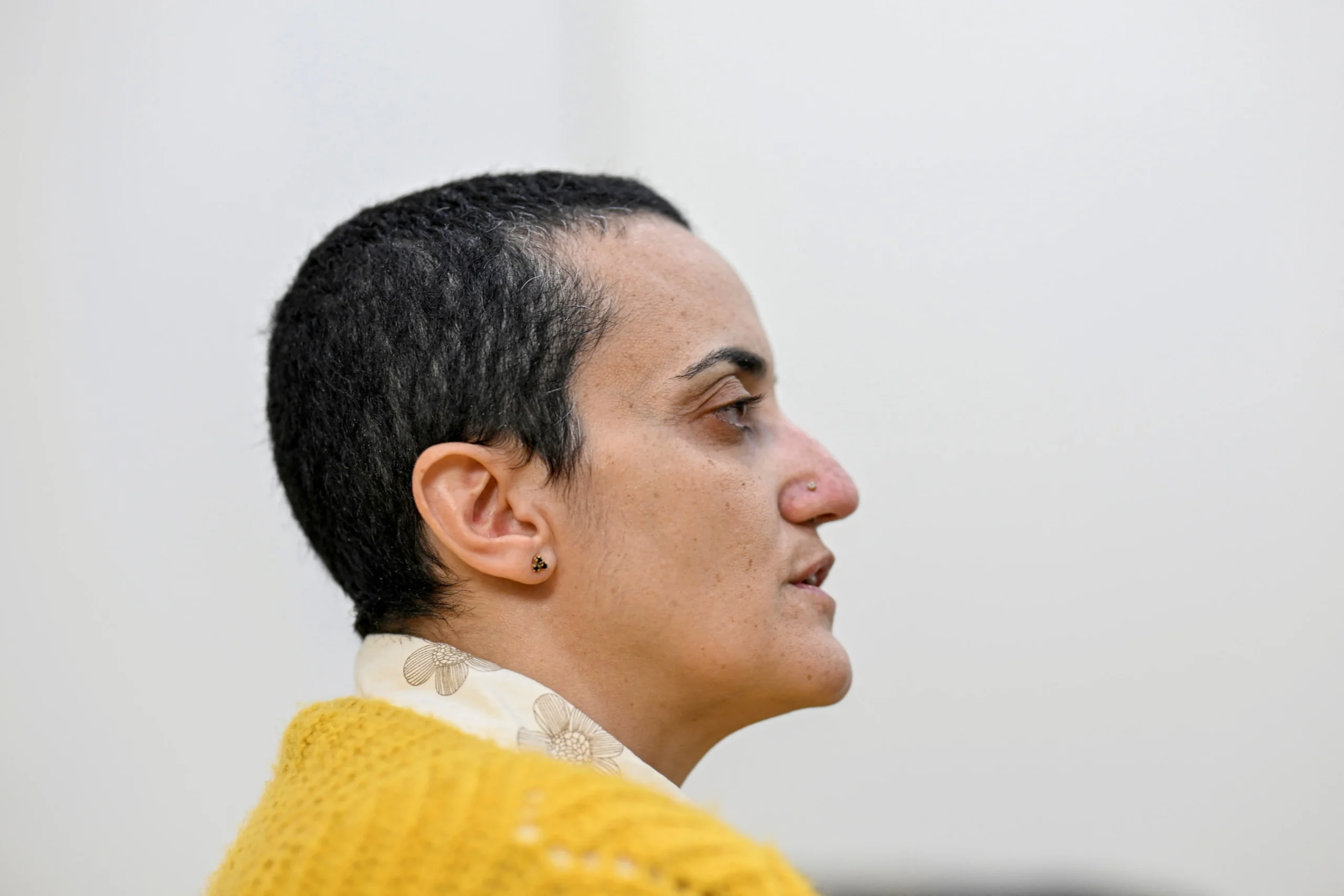
Lina Attalah, founder and editor-in-chief of the independent Egyptian news website Mada Masr, is due to appear before a criminal court on November 11 over charges that could result in a prison sentence of up to one year. The case has renewed international attention on press freedom in Egypt and the difficulties faced by independent media organisations trying to operate legally.
Attalah has been charged with spreading false information and operating a website without official accreditation. She has rejected the accusations and says Mada Masr has repeatedly tried to obtain the necessary registration under Egypt’s media laws. The outlet first sought approval after the country’s 2018 media law was introduced, then made further attempts in 2020 and 2023. According to Attalah, the authorities did not provide a meaningful response to those applications.
Mada Masr was founded in 2013 and has become one of Egypt’s best-known independent news organisations. It reports on political decisions, economic policy, corruption, regional affairs and cultural issues. Its investigations have examined the relationship between state institutions and parliament, as well as the influence of powerful political and economic interests.
Attalah said the outlet was created at a time when Egypt’s media environment was changing rapidly. Following the political upheaval of 2011 and the military’s return to power in 2013, she believes independent journalism became increasingly difficult. She has argued that many media organisations were brought under the influence of state-linked agencies, leaving fewer spaces for independent reporting.
The journalist has also described the pressure faced by her colleagues. Mada Masr’s staff have experienced several legal proceedings, while other independent newsrooms have faced arrests and investigations. Six employees of another outlet, Matsda2sh, were arrested in September, adding to concerns about the wider environment for independent reporting.
Attalah says her organisation does not want to move its operations abroad. She believes its work depends on remaining connected to Egypt, where its journalists have built relationships with sources and communities. She has argued that reporting on the country cannot be carried out effectively from outside its borders.
The legal case also involves questions about whether Attalah can be punished again for an offence for which a fine has already been paid. She plans to challenge the proceedings on that basis and submit another request for accreditation. She has also pointed to constitutional protections for journalists, including provisions that restrict prison sentences for press-related offences except in limited circumstances.
The case has become an important test for independent journalism in Egypt. Supporters of press freedom argue that media organisations should be able to register and operate under clear rules rather than face prolonged uncertainty. The authorities, meanwhile, have continued to enforce regulations governing media activity and online publications.
Attalah has said she intends to use the legal system to defend her right to work in Egypt. The court proceedings could have consequences not only for her personally but also for the future of Mada Masr and other independent news organisations seeking to maintain a presence in the country.
