


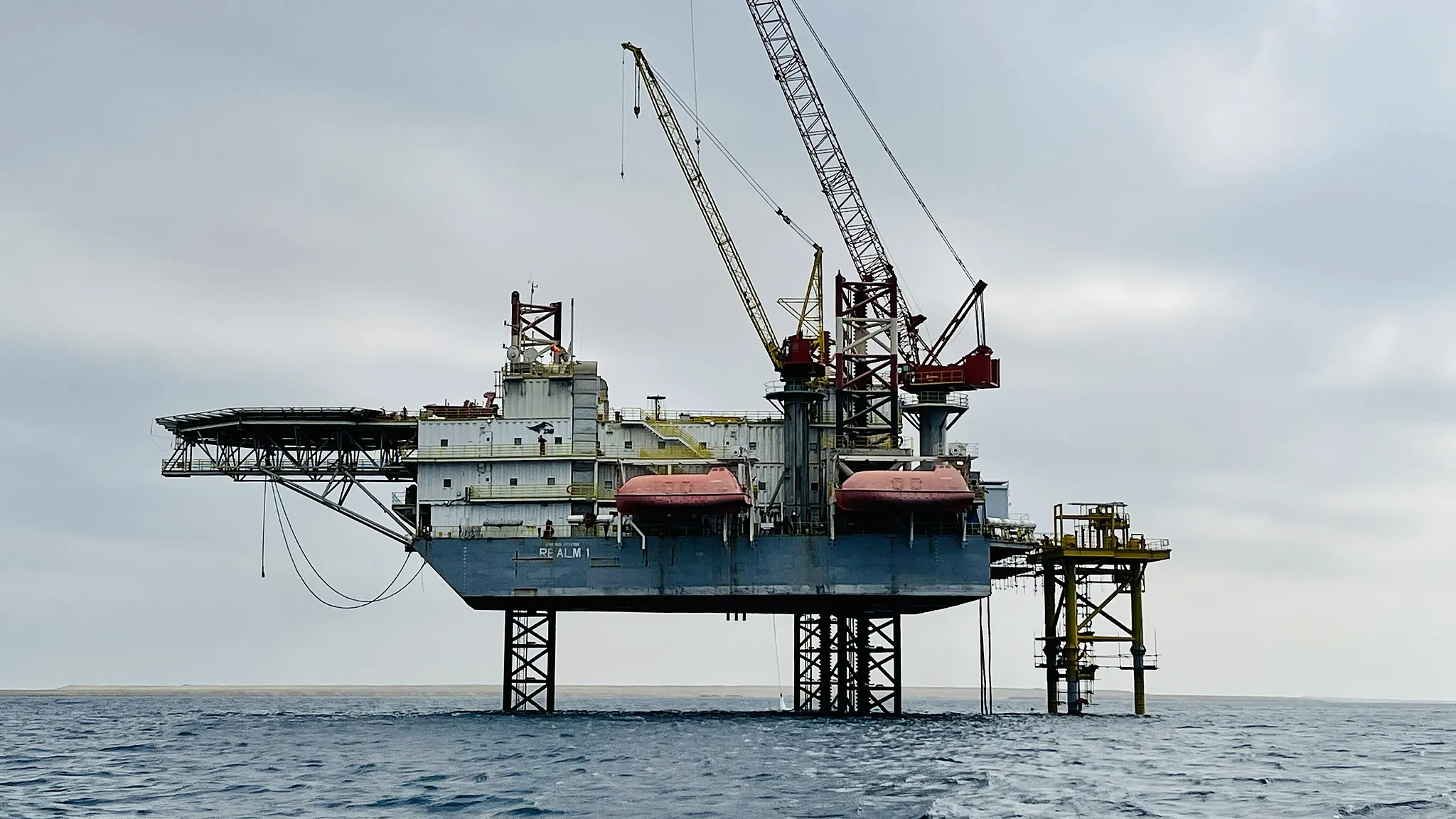
Egyptian energy company Cheiron has committed more than $42 million to natural gas exploration in the Mediterranean, supporting the country’s efforts to increase domestic production and strengthen its energy supply. The investment is part of continuing activity in Egypt’s offshore energy sector, where companies are searching for new reserves to meet growing demand.
The commitment comes at a time when Egypt is working to reduce pressure on its energy system. Natural gas remains an important source of electricity generation and industrial fuel. Domestic production is therefore closely linked to the country’s ability to supply factories, power stations and households while limiting the need for costly imports.
The Mediterranean has become a major area for offshore exploration because of its potential natural gas resources. Egypt has attracted international energy companies through exploration agreements and partnerships that allow them to search for commercially viable reserves. Successful discoveries can support future production, although exploration itself involves financial risk and does not guarantee that gas will be found in quantities suitable for development.
Cheiron’s investment reflects the continuing interest of private energy companies in Egypt’s offshore potential. Exploration work can involve geological surveys, technical studies, drilling plans and the use of specialised equipment. These activities require significant capital and long preparation periods before a project can begin producing gas.
For Egypt, new discoveries could help strengthen energy security. The country has experienced pressure on gas supplies as domestic consumption has increased and production levels have faced challenges. Power generation, industrial activity and household demand all compete for available supplies, particularly during periods of high electricity use.
The government has been encouraging investment in exploration and production as part of a wider effort to improve the energy sector. It has also been working with international companies to develop existing fields, improve infrastructure and bring additional resources into production. The aim is to create a more reliable supply while supporting the country’s economic development.
Offshore projects can also bring wider benefits to the economy. They create demand for engineering services, marine transport, specialised equipment and skilled workers. Local suppliers may gain opportunities to provide services to international energy companies, while successful projects can generate revenue through taxes, royalties and production agreements.
However, exploration remains a long-term process. Companies must assess geological conditions, obtain the necessary approvals and determine whether a discovery can be developed at a competitive cost. Offshore operations also require careful environmental management and strong safety standards.
Cheiron’s commitment is another sign that Egypt continues to attract investment in its energy resources. The success of the exploration programme will depend on the results of technical work and future drilling. If commercially viable reserves are identified, they could contribute to domestic gas supplies and strengthen Egypt’s position in the regional energy market.
