


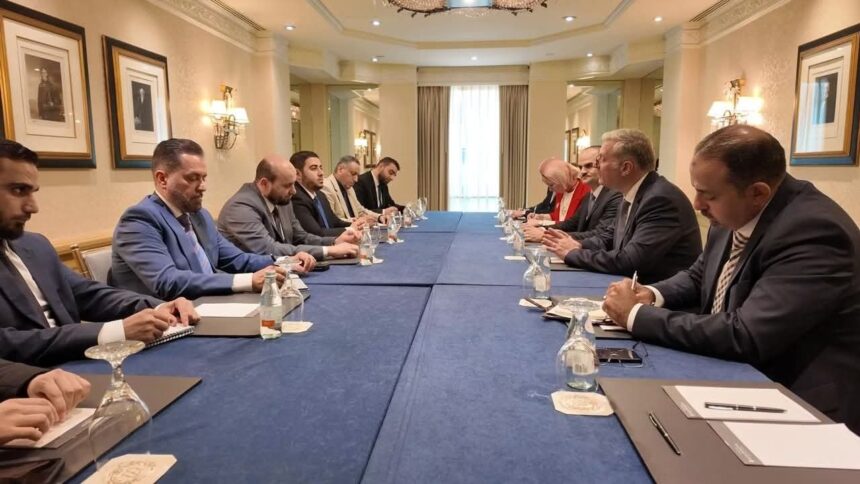
Egypt’s energy leaders have held important talks aimed at strengthening oil and gas cooperation and supporting recovery efforts in Syria’s damaged energy sector. The discussions took place in the United States and focused on rebuilding infrastructure, expanding gas supply, and improving regional energy stability.
Karim Badawi, Minister of Petroleum and Mineral Resources of Egypt, met Mohammad Al-Bashir of Syria to explore ways to expand energy cooperation. The talks focused on oil and gas recovery, technical support, and long-term partnership between both countries.
The meeting highlighted shared goals between Egypt and Syria in rebuilding Syria’s energy sector. Both sides discussed how stronger cooperation could help improve production, restore damaged systems, and ensure stable energy supplies for the future. Officials said the talks showed strong political will to deepen cooperation in energy.
The ministers reviewed progress on a memorandum of understanding in natural gas cooperation. They also discussed follow-up steps linked to the Arab Gas Pipeline agreement, which plays a key role in regional gas transport and energy supply stability. The pipeline connects several countries and helps support steady energy flow across borders.
Another key focus was rebuilding Syria’s energy infrastructure using Egyptian expertise. Egyptian companies such as ENPPI and Petrojet were highlighted for their strong experience in engineering, project management, and large-scale energy projects. Both sides said this cooperation could speed up recovery work in Syria’s oil and gas sector.
Training and technical support were also discussed during the meeting. Officials explored ways to build skills in Syria’s energy workforce through capacity-building programs and expert exchange. These efforts aim to improve efficiency and support long-term development in the energy sector.
Karim Badawi said that relations between Egypt and Syria are based on strong historical and fraternal ties. He added that both countries share a vision for Arab economic integration, especially in energy. He stressed that Egypt has wide experience across the full oil and gas value chain.
He also highlighted Egypt’s strong infrastructure, including gas transmission networks, processing plants, and liquefied natural gas facilities. These systems, he said, can support regional cooperation and help restore energy production in Syria. Strong cooperation, he added, would also improve regional energy security and support reconstruction efforts.
Mohammad Al-Bashir welcomed deeper cooperation with Egypt. He said Syria is ready to benefit from Egyptian experience in rebuilding its energy sector. He also stressed the need to improve efficiency and modernize operations during the recovery phase.
The talks also covered infrastructure upgrades and investment in modern energy systems. Both sides agreed that Egyptian engineering expertise could help rebuild key facilities and restore production capacity in Syria’s oil and gas sector. They also discussed future joint projects and long-term cooperation plans.
Officials said the meeting reflected growing diplomatic engagement between Egypt and Syria. Both governments see energy cooperation as an important tool for economic recovery and regional stability. The discussions also took place alongside wider international energy meetings in the United States.
The Arab Gas Pipeline was described as an important regional route that supports gas trade and supply stability. It connects multiple countries and helps ensure smooth energy flow across the Middle East. Officials said strengthening this system could improve regional cooperation.
Egypt also highlighted its advanced energy network, including pipelines, processing plants, and gas facilities. These systems were presented as a strong foundation for regional energy partnerships and shared development projects with Syria.
A joint technical mechanism was agreed upon to manage future cooperation. This group will include experts from both countries to monitor progress, coordinate funding, and ensure proper implementation of energy projects. It will also help set technical standards for cooperation.
Both sides stressed that stronger energy cooperation will support long-term development and regional stability. They agreed that continued dialogue will help open new investment opportunities and strengthen economic ties between the two nations.
Energy officials said partnerships like this are essential for rebuilding damaged infrastructure and restoring production levels. They added that shared expertise can speed up recovery and improve efficiency in Syria’s energy sector.
The ministers concluded that ongoing coordination will build trust and create new opportunities for regional cooperation. They reaffirmed their commitment to support energy development that benefits both countries and the wider region. The talks ended with an agreement to maintain regular communication and fast-track key energy projects.
