


Egypt is working with the World Bank on new financing solutions to expand renewable energy and modernize the country’s electricity infrastructure. The discussions focused on creating a financial guarantee fund that could attract more private investment into clean energy and major infrastructure projects.
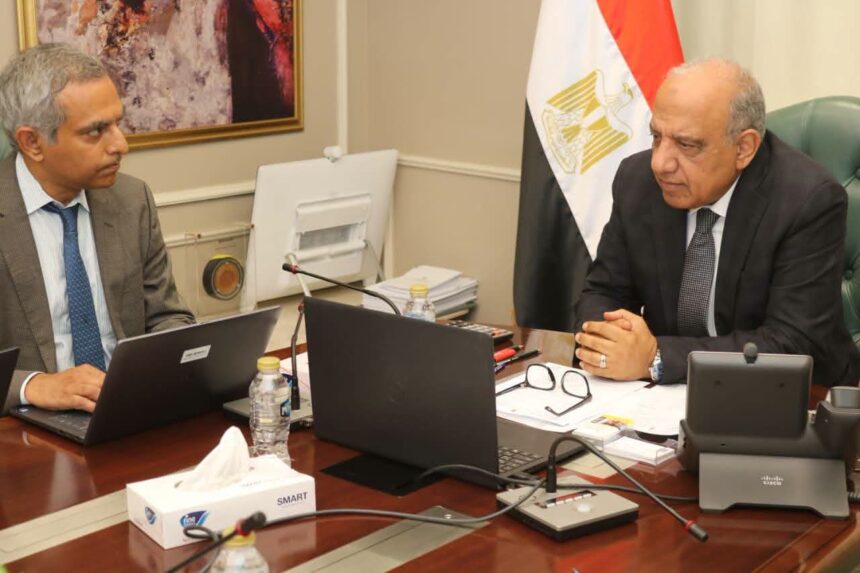
Egypt’s Minister of Electricity and Renewable Energy Mahmoud Esmat met with a World Bank delegation to discuss stronger cooperation in power sector development, financial sustainability, and innovative funding methods. The meeting took place at the ministry’s headquarters in the New Administrative Capital.
The talks included senior officials from Egypt’s electricity sector, including representatives from the Egyptian Electricity Holding Company and the Egyptian Electricity Transmission Company. Minister of Planning and Economic Development Ahmed Rostom also joined the discussions online.
The World Bank delegation was led by Neeraj Verma, Practice Manager for Infrastructure Finance and Investment. Both sides explored ways to improve financing options for electricity projects and support Egypt’s transition toward cleaner energy sources.
A major topic of discussion was the possible creation of a dedicated financial guarantee fund for electricity and renewable energy infrastructure. The proposed fund would help reduce investment risks by offering guarantees related to payments, debt services, and contract obligations.
Officials believe the mechanism could encourage more private sector participation by making large energy projects more attractive to investors. It could also improve access to financing for renewable energy developments that require long-term investment.
The discussions also addressed challenges linked to infrastructure financing, including high funding costs, guarantee requirements, and financial responsibilities. Both sides reviewed possible solutions to make energy projects easier to finance and more sustainable.
Egypt is seeking to upgrade its national electricity grid and increase its ability to handle more renewable energy. The government is also working to transform the traditional power network into a smarter and more efficient system through digital technology and improved management.
The meeting covered digital transformation, employee training, and capacity building within the electricity sector. Officials said developing technical skills and adopting modern systems are essential for managing future energy demands.
The two sides also reviewed Egypt’s electricity connection projects, which aim to strengthen the country’s role as a regional energy center. These projects are designed to improve links between Africa, Asia, and Europe while supporting Egypt’s long-term energy goals.
Under its National Energy Strategy, Egypt plans to increase the share of renewable energy in its electricity mix to 45% within the next two years. The government believes stronger international cooperation and private investment will help achieve this target.
Esmat highlighted the long partnership between Egypt’s electricity sector and the World Bank. He said the institution has supported important energy projects, including power generation improvements and upgrades to the national electricity network.
The minister said Egypt will continue working with international financial organizations to support sustainable development goals, improve electricity services, and speed up renewable energy expansion.
He also emphasized the importance of technology transfer, local manufacturing, and stronger private sector involvement. Egypt hopes these efforts will attract more local and international investors to the renewable energy market.
Rostom said cooperation with the World Bank remains important for Egypt’s development plans. He noted that studies and financing solutions provided through the partnership can help create new opportunities across different sectors.
He added that the proposed guarantee mechanism could become a model for improving infrastructure financing. The system may help expand local currency financing options and strengthen cooperation between the government and private companies.
Public-private partnerships are expected to play a larger role in Egypt’s economic strategy as the country seeks new investment sources. By reducing financial risks and improving investor confidence, officials believe renewable energy projects can grow faster.
The discussions between Egypt and the World Bank show the country’s continued effort to build a stronger energy sector. With new financing tools and increased private participation, Egypt aims to accelerate clean energy development and strengthen its position as a regional power hub.
