


Cairo has once again become a focal point for regional diplomacy, hosting a new round of Gaza ceasefire Cairo talks aimed at strengthening a fragile truce and moving toward its next stage. Senior officials from multiple parties have traveled to the Egyptian capital in recent weeks, underscoring the country’s long-standing role as a key mediator in the region.
Egyptian intelligence officials have held direct meetings with delegations seeking to secure commitments on the next phase of the ceasefire agreement. Discussions have focused on ensuring that earlier promises are honored, addressing reported violations, and building a framework for what comes after the fighting stops. Officials describe the talks as complex, given the many parties involved and their differing goals.
Egypt’s involvement reflects its historic position as a bridge between regional actors. Officials in Cairo have repeatedly stressed that ending the conflict is essential not just for those directly affected, but for wider regional stability. Egyptian leaders have also raised concerns that continued instability could have consequences well beyond the immediate area, affecting trade, security, and humanitarian conditions across the region.
Alongside the political discussions, Egypt has continued its humanitarian efforts, sending repeated aid convoys into affected areas. These deliveries have included food, medical supplies, and other essential goods, part of an ongoing effort to ease suffering among civilian populations. Egyptian officials say hundreds of such convoys have been organized since the crisis began, reflecting the scale of need on the ground.
The latest round of talks has also included discussions with representatives from other mediating countries, all working to keep the ceasefire process moving forward. Diplomats have described the atmosphere as constructive, though significant disagreements remain over some of the most difficult issues, including questions about disarmament and long-term governance arrangements.
One especially sensitive topic involves what happens to armed groups operating in the area. Some parties want firm commitments on disarmament before further steps are taken, while others argue that security guarantees must come first. Egyptian mediators have tried to find middle ground, encouraging all sides to keep talking even when progress feels slow.
Egypt’s role has also drawn attention from global partners, some of whom have sent their own envoys to join or observe the discussions. Their presence highlights how central Cairo has become to international efforts aimed at ending the conflict and beginning long-term reconstruction. Officials note that any lasting agreement will likely require sustained cooperation among many different governments and organizations.
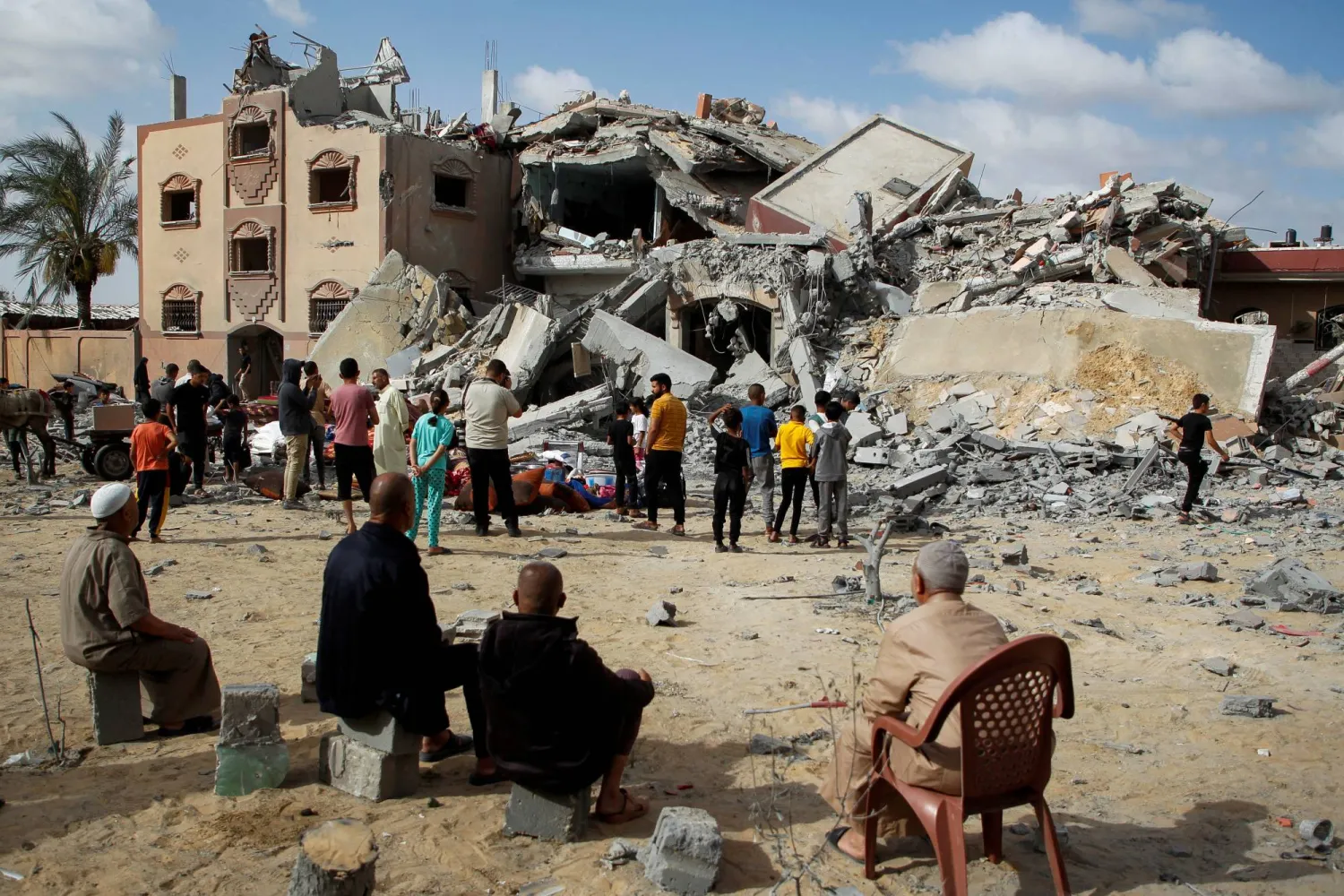
For ordinary residents on all sides, the stakes could hardly be higher. Years of conflict have left deep scars, displaced communities, and strained infrastructure. Aid organizations continue to warn that humanitarian needs remain severe, even as ceasefire talks continue. Officials in Cairo say they remain committed to pushing the process forward, aware that setbacks could quickly undo months of careful diplomacy.
Despite the challenges, Egyptian officials have expressed cautious optimism that continued dialogue can produce results. They point to previous rounds of talks that helped secure earlier phases of the truce as evidence that patient, steady diplomacy can work, even amid deep mistrust between the parties involved.
As talks continue, all eyes remain on Cairo, where the outcome of these discussions could shape the region’s direction for years to come. Officials say further meetings are expected in the coming weeks as mediators work to translate fragile agreements into lasting peace.
