


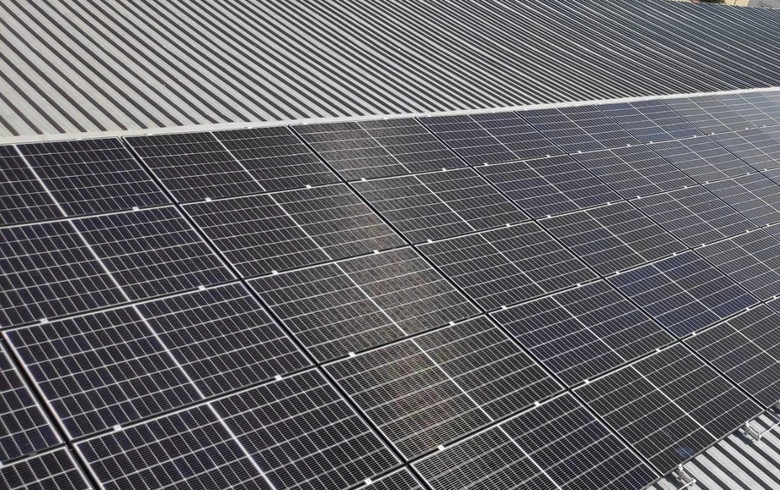
Egypt is moving forward with a major clean energy project that will install 200 megawatts (MW) of rooftop solar power across 20 state-owned industrial facilities. The project is part of a partnership with the United Nations Development Programme (UNDP) to increase renewable energy use in the country’s manufacturing sector.
The Egypt Solar Industry Plan aims to reduce electricity costs, improve energy efficiency, and support the country’s long-term renewable energy goals. Officials also expect the project to strengthen sustainable industrial growth while easing pressure on the national power system.
Industry Minister Khaled Hashem discussed the progress of the initiative during a meeting with UNDP Resident Representative in Egypt Chitose Noguchi and senior government officials.
The project is being developed under the Solar Energy in Industry (SETI) initiative. It will place rooftop solar systems on around 20 government-owned industrial facilities with a combined generation capacity of 200 MW.
The initiative will operate through an Independent Power Producer (IPP) model. Under this approach, private companies will finance, build, own, and operate the solar systems while supplying electricity to the industrial facilities.
The project is supported by a credit line worth US$150 million, providing financial backing for the large-scale deployment of rooftop solar systems.
Officials said the project will demonstrate that self-consumption solar power can successfully meet the energy needs of industrial facilities. By generating electricity on-site, factories can reduce dependence on the national electricity grid and lower long-term operating costs.
The initiative also supports Egypt’s national strategy to expand renewable energy production and reduce carbon emissions while encouraging cleaner industrial operations.
Several government ministries are working together with the UNDP to implement the project. These include the ministries responsible for Industry, Electricity and Renewable Energy, Foreign Affairs and International Cooperation, Immigration and Egyptian Expatriates Affairs, Environment, and Finance.
The Industrial Modernisation Centre is leading the technical work. Its responsibilities include assessing the selected industrial facilities and preparing engineering designs for the rooftop solar installations before construction begins.
Minister Hashem said the Ministry of Industry will provide full support to ensure the project’s successful implementation. He stressed that cooperation between government agencies and private partners will play an important role in meeting the project’s goals.
He also highlighted the importance of increasing awareness among factory managers about the benefits of rooftop solar systems. According to the minister, producing electricity directly at industrial sites can lower energy bills, improve efficiency, and create significant long-term savings for manufacturers.
Alongside the SETI project, Egypt is preparing an even larger renewable energy program known as the Sun of Industry initiative.
This plan aims to install 1,000 MW of rooftop solar capacity across approximately 7,000 factories over the next two years. Officials believe the project will reduce demand on Egypt’s national electricity grid while helping industries generate more of their own clean energy.
Hashem said the government is finalizing agreements with the ministries of Finance and Electricity and Renewable Energy to complete the technical and financial structure needed to launch the larger initiative.
Once approved, the program is expected to become one of the country’s largest industrial rooftop solar projects.
The minister also said expanding both solar initiatives would support another important national goal. As demand for solar projects grows, Egypt hopes to increase local manufacturing of solar panels, mounting systems, electrical equipment, and other renewable energy components.
Developing a stronger domestic solar manufacturing industry is considered a strategic priority because it can reduce imports, create new jobs, strengthen industrial production, and support long-term economic growth.
Governments around the world are increasing investments in renewable energy as industries seek cleaner and more affordable sources of electricity. Rooftop solar systems have become an increasingly popular solution because they allow factories to generate power where it is used while reducing transmission losses and lowering operating expenses.
Egypt’s latest investment reflects this global trend as the country continues to expand renewable energy across its industrial sector.
If completed as planned, the Egypt Solar Industry Plan will deliver 200 MW of new rooftop solar capacity, help factories lower electricity costs, support cleaner manufacturing, and strengthen Egypt’s transition toward a more sustainable and energy-efficient economy.
