


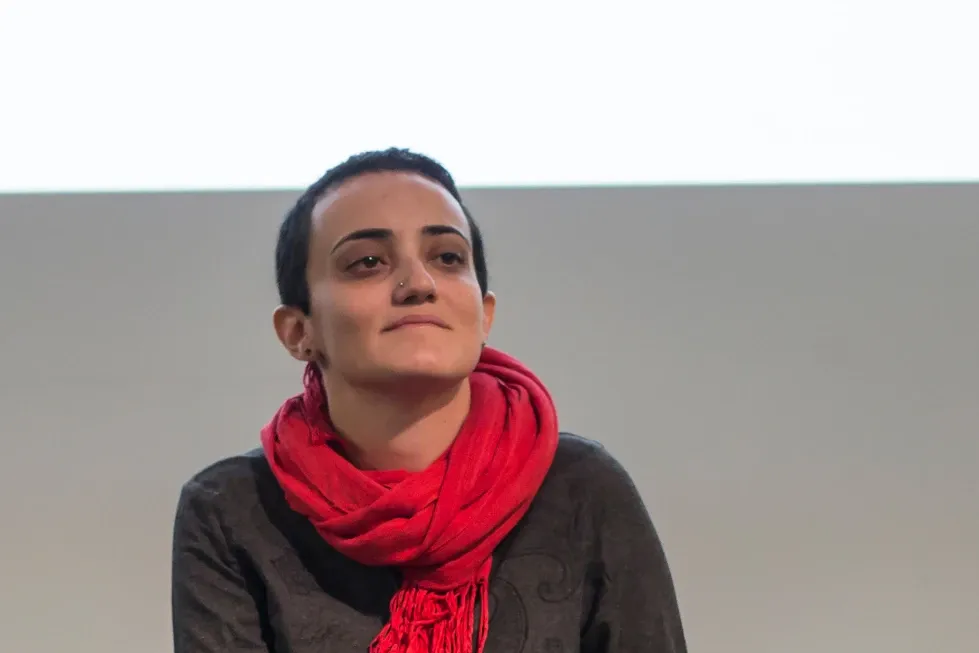
An Egyptian court has ordered the closure of Mada Masr, one of the country’s remaining independent news organisations. The ruling followed a case involving the outlet’s founder and editor-in-chief, Lina Attalah, who was convicted of operating a website without a licence. The decision has renewed concerns among press freedom groups about the space available for independent reporting in Egypt. Mada Masr has said it intends to challenge the ruling.
Attalah was detained for several hours and later released after paying a fine of about 53,400 US dollars, according to reports. The court also ordered the seizure of the outlet’s property. The case has drawn attention because Mada Masr has continued to report on sensitive political and public issues despite restrictions on its website. The outlet says it applied for a licence in 2018 but did not receive a response.
The ruling could have serious effects on the organisation’s ability to continue its work. Independent news outlets rely on access to staff, equipment, documents, and digital platforms to investigate stories and publish reports. A closure order can disrupt these activities even while an appeal is being prepared. The final outcome will depend on the legal process and whether the ruling is upheld, changed, or overturned.
Press freedom organisations have criticised the case. They argue that legal action against journalists can discourage reporting and reduce the range of information available to the public. More than one hundred civil society and media organisations have reportedly condemned the prosecution. Their concerns include the handling of the trial and decisions made by the court during the proceedings.
Egyptian authorities have often cited licensing and legal rules when taking action against media organisations. Governments have a legitimate interest in enforcing laws that apply to businesses and online services. However, press freedom advocates say such rules should be applied fairly and should not be used to silence reporting that is critical of those in power. The way a case is handled can therefore matter as much as the formal charge.
The dispute comes amid wider concerns about the treatment of journalists in Egypt. Some reporters face legal cases, restrictions on their work, or limits on access to online information. Mada Masr’s website has been blocked in the country since 2017, according to reports. The latest decision adds another challenge for an outlet that has continued publishing despite those barriers.
The case also raises questions about the role of digital media. News organisations increasingly depend on websites and social platforms to reach readers. When access is restricted, audiences may find it harder to obtain independent accounts of public events. At the same time, journalists and publishers must understand the legal conditions under which they operate, especially when licensing rules are unclear or contested.
Mada Masr has indicated that it plans to appeal the closure order. Attalah also intends to challenge a separate conviction from 2024 involving allegations of spreading false news and operating an unlicensed website. The appeal process may provide another opportunity for the courts to review the legal arguments and the circumstances of the case.
The decision is significant because independent reporting helps people compare accounts, examine public decisions, and understand issues affecting their lives. The future of Mada Masr will depend on the legal outcome and whether it can continue operating. For press freedom advocates, the case is another test of whether independent media can work without facing restrictions that threaten their ability to report.
