


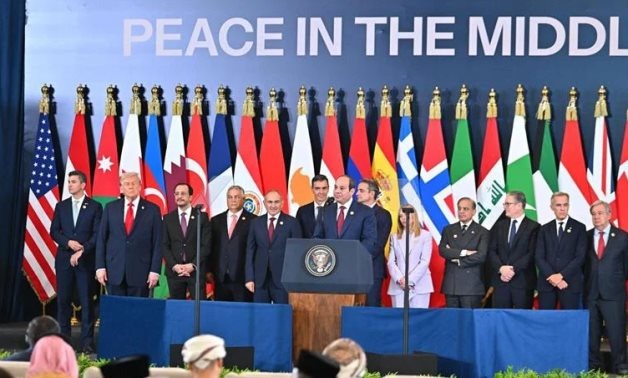
Egypt renewed its call for the full implementation of the Gaza peace plan on October 14, 2026, marking one year since the Sharm El-Sheikh summit that endorsed an agreement aimed at ending the war. In a statement reported by Egypt Today, the Egyptian Foreign Ministry said the international community should build on the diplomatic progress made at the summit and work toward lasting peace and stability.
The Sharm El-Sheikh meeting, co-chaired by Egyptian President Abdel Fattah El-Sisi and US President Donald Trump, brought together international leaders to support efforts to end the conflict. Egypt has played a central role in mediation, working with regional and international partners to support a ceasefire and improve humanitarian access. Cairo now argues that the commitments made during the diplomatic process must be translated into practical action.
Egypt’s statement called for consolidating the ceasefire, ensuring sustained humanitarian aid deliveries and completing Israel’s withdrawal from Gaza. It also stressed the importance of moving to the next phase of the plan and beginning early recovery and reconstruction. These steps are closely linked: without security and reliable access, humanitarian organisations face major difficulties delivering supplies and helping people rebuild their lives.
The humanitarian situation remains a central concern. Large areas of Gaza have suffered extensive destruction, while many residents have been displaced and essential services have been damaged. Aid organisations have warned that restrictions and insecurity can prevent medical supplies, food and other necessities from reaching people who need them. Egypt has continued coordinating relief deliveries and receiving wounded Palestinians for treatment, although access and logistical challenges remain serious.
The Egyptian government also emphasised the need for a credible political process addressing the deeper causes of the Israeli-Palestinian conflict. It reiterated support for a two-state solution based on the lines that existed before the June 1967 war, with East Jerusalem as the capital of an independent Palestinian state. Egypt argues that a lasting settlement must address Palestinian aspirations for self-determination while providing security and stability for people across the region.
Diplomatic progress remains difficult because the parties disagree over security arrangements, the future governance of Gaza and the order in which commitments should be carried out. Israel has linked further withdrawal to Hamas disarmament, while the future administration of Gaza remains a complicated issue. These disagreements have slowed progress on the wider plan and left many questions unresolved.
Egypt’s position reflects a broader concern that a ceasefire alone cannot guarantee lasting peace. Without reconstruction, functioning public services and a political path forward, Gaza could remain vulnerable to renewed violence. International partners will need to coordinate their efforts and ensure that commitments are supported by clear steps, resources and accountability.
The anniversary of the Sharm El-Sheikh summit gives Egypt an opportunity to press for renewed action. The central test is whether diplomatic promises can produce a durable ceasefire, meaningful humanitarian access and a credible political process. For Cairo, the goal remains a settlement that protects civilians, supports reconstruction and moves toward a lasting resolution of the Palestinian issue.
