


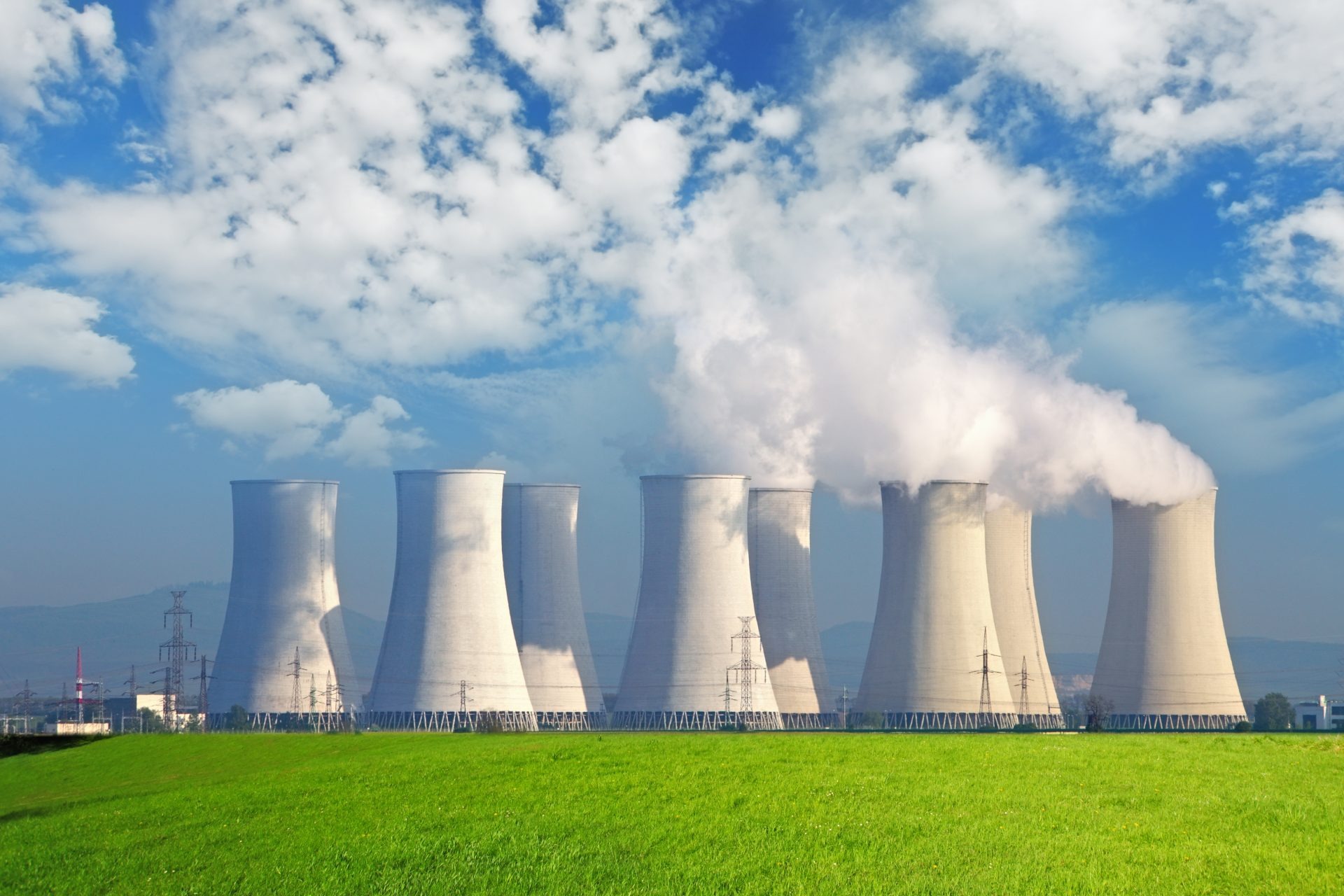
Egypt has completed another important construction step at the El Dabaa Nuclear Power Plant, with the installation of the lower plate of the reactor pit for the third reactor unit. The Nuclear Power Plants Authority announced the development on Saturday, September 26, and the report remained a major Cairo-area infrastructure story as September 27 began. The work represents another stage in Egypt’s long-term plan to develop nuclear power as part of its energy system.
The El Dabaa project is being developed on Egypt’s Mediterranean coast and is designed to contain four nuclear reactor units. The project has become one of the country’s largest energy infrastructure programmes. Its construction involves large engineering systems, specialised equipment and strict safety requirements.
Installing the lower plate of the reactor pit is an important part of the construction process because the reactor building must be prepared to hold major components of the nuclear system. Each stage requires careful engineering work before later equipment can be installed.
Egypt has been seeking to expand its electricity generation capacity as the country faces rising energy demand. Population growth, industrial development and the expansion of cities have all increased the need for reliable electricity.
Nuclear power offers a different source of electricity from Egypt’s traditional dependence on natural gas and other fuels. A nuclear plant can generate large amounts of electricity over long periods, although construction requires major investment and many years of preparation.
The El Dabaa project is also connected to Egypt’s wider energy strategy. The country has been working to diversify its electricity sources and increase the role of different forms of energy. Nuclear power is expected to become part of that mix when the reactors eventually begin operating.
The latest construction milestone does not mean that the third reactor is close to producing electricity. Nuclear plants require many stages of construction, equipment installation, testing and regulatory approval before a reactor can begin commercial operation.
Safety remains a central part of the project. Nuclear facilities require multiple layers of protection, detailed testing and close regulatory supervision. Construction milestones therefore need to be followed by additional engineering and safety work before a reactor can be placed into service.
The project also has an economic dimension. Large infrastructure programmes create demand for construction workers, engineers, equipment suppliers and technical specialists. They can also support the development of local expertise in areas connected with nuclear engineering and energy technology.
Egypt’s nuclear programme has been developed with international cooperation and technical support. The country has been working to build the skills and systems needed to operate nuclear facilities safely over the long term.
For Cairo, the project represents an important part of national energy planning even though the plant itself is located away from the capital. Decisions about electricity generation, energy security and infrastructure are closely linked to economic planning in Cairo.
The September 26 announcement shows that construction work is continuing on schedule through another significant stage. The third reactor unit is one of four planned units at El Dabaa, meaning additional construction milestones will follow as the project develops.
The plant will ultimately be expected to provide a large amount of electricity to Egypt’s national grid. Its future contribution will depend on the completion of construction, testing and regulatory approval.
The latest milestone therefore provides an update on a long-term project rather than an immediate change to Egypt’s electricity supply. For now, the installation of the lower reactor pit plate shows that construction is moving through another technical stage.
Egypt’s nuclear programme remains one of the country’s largest scientific and infrastructure projects. As work continues, each construction milestone will be closely watched because the final goal is to add nuclear generation to Egypt’s growing electricity system.
