


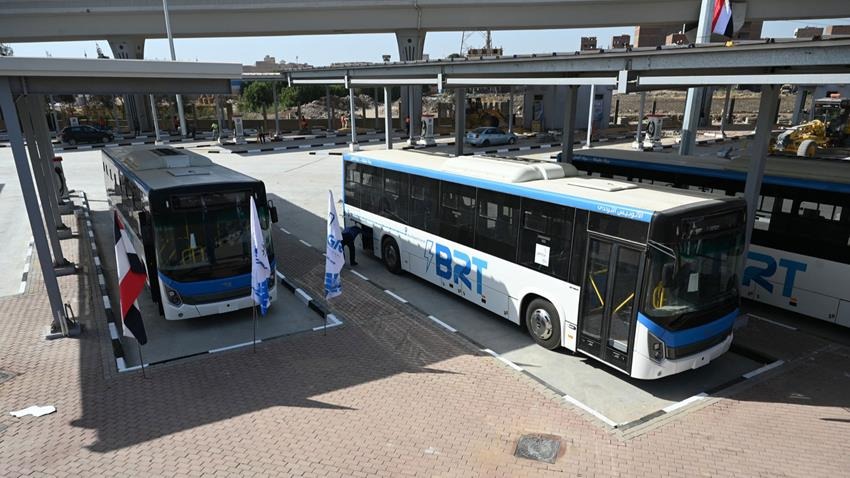
Egypt is preparing to begin passenger operations on the second phase of its Bus Rapid Transit system on Saturday, September 26. The new phase is expected to add another part to Cairo’s expanding public transport network and provide passengers with a new way to travel through the capital and surrounding areas. The launch is part of wider efforts to improve public transport and create more organised travel options for residents.
The second phase has been prepared for public use after transport authorities completed the necessary work ahead of the scheduled opening. Bus Rapid Transit systems are designed to provide faster and more organised movement by using dedicated or controlled routes and planned stations. Such systems can help reduce pressure on traditional roads when they are properly connected with other forms of public transport.
Cairo has a large and growing population, which places constant pressure on its roads. Daily travel can be difficult because of heavy traffic, long distances and large numbers of private vehicles. Improving public transport is therefore an important part of urban planning in the capital.
The new BRT phase is expected to give passengers another option for daily travel. People using the system can benefit from planned routes and stations rather than depending only on ordinary road traffic. The wider goal is to make public transport more useful while supporting the movement of large numbers of people.
Transport development has become a major part of Egypt’s infrastructure plans. Cairo and the surrounding metropolitan area have expanded rapidly, creating new residential communities and increasing the distance between homes, workplaces and public services. Better transport connections are needed to link these areas.
The BRT project also fits into a wider effort to develop modern transport systems in Egypt. The country has invested in roads, rail links, metro extensions and other transport projects in recent years. These projects aim to improve movement within major cities and between different parts of the country.
For passengers, the September 26 launch will be the most important step because it moves the second phase from preparation into actual public operation. The success of the service will depend on how well the new routes connect with existing transport options and how easily passengers can understand and use the system.
Fare information, station access and service frequency will also influence how quickly passengers adopt the new service. A transport system can only reduce pressure on roads when people find it reliable and convenient enough to use regularly.
The launch also comes as Cairo continues to develop its transport network for a very large urban population. Public transport carries millions of passengers, so even a single new route can have a useful effect if it is well planned and properly integrated with other services.
Authorities will likely monitor passenger demand during the early days of operation. Passenger numbers can provide important information about where additional buses or services may be needed. It can also show whether the new route is meeting the needs of the communities it serves.
The second BRT phase therefore represents more than the opening of another bus route. It is part of Egypt’s broader attempt to create a more connected and modern transport system in the Cairo area.
For residents travelling on September 26, the beginning of passenger operations will provide a new public transport option. The first days of service will also give authorities a chance to observe passenger demand and make practical adjustments as the system becomes part of everyday travel in the capital.
