


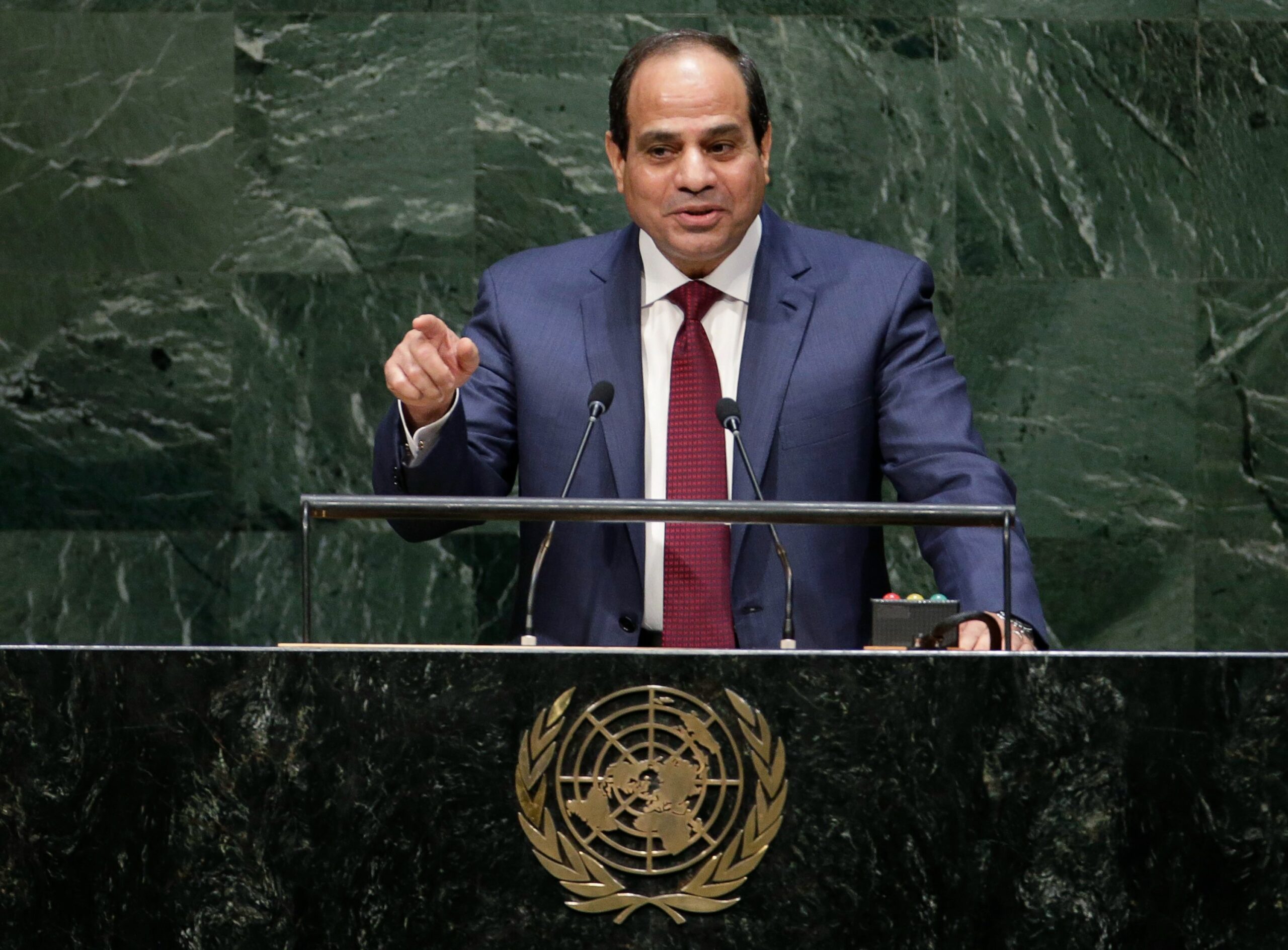
Egypt’s role in regional security was discussed during a meeting between Prime Minister Mostafa Madbouly and United Nations Secretary-General António Guterres in New York. The meeting took place during the high-level week of the 81st United Nations General Assembly and focused on regional stability and Egypt’s wider diplomatic role.
Guterres praised Egypt’s efforts to promote security and stability in the region. The meeting came as international leaders gathered in New York to discuss conflicts, humanitarian issues and wider global security concerns. Egypt has remained active in regional diplomacy because of its geographic position and its long involvement in discussions involving neighboring countries.
Madbouly and Guterres met as Egypt continued its diplomatic activity around the United Nations meetings. The Egyptian government has been using the General Assembly period to hold talks with international officials and discuss regional developments. Such meetings give Egypt an opportunity to present its positions directly to senior international officials.
Regional security has become a major concern because several conflicts and tensions continue to affect the Middle East. Problems in one country can quickly affect neighboring states through trade, migration, security risks and humanitarian pressure. Egypt has repeatedly called for diplomatic efforts to reduce regional instability.
The United Nations has also been working with countries in the region on humanitarian and security issues. Cooperation between national governments and international organizations is important when conflicts create large numbers of displaced people or put pressure on food, health and transport systems.
Egypt’s geographic position gives it particular importance in regional discussions. The country connects Africa, the Middle East and major international trade routes. The Suez Canal also makes Egypt important to global shipping. Security problems in nearby regions can therefore have effects far beyond national borders.
The meeting in New York also reflects the importance of Egypt’s relationship with international institutions. Egypt has often sought a role in discussions about African and Middle Eastern issues. Its officials use major international meetings to discuss economic cooperation, regional security and diplomatic coordination.
The current regional situation has increased the need for communication between governments. International organizations such as the United Nations depend on cooperation with national governments when attempting to address security and humanitarian problems. Egypt’s participation in these discussions gives it another channel for presenting its views and working with other countries.
The talks also came during a period of intense diplomatic activity at the General Assembly. Leaders and senior officials from many countries were meeting in New York at the same time. Egypt has been involved in several discussions on the sidelines of the main UN program, including talks with international partners.
For Egypt, regional security is also linked to economic stability. Conflict can affect tourism, trade, investment and shipping. A prolonged crisis in a neighboring area can increase pressure on national budgets and create additional humanitarian responsibilities.
The meeting therefore had a wider significance than a single diplomatic discussion. It placed Egypt’s regional role within the broader work of the United Nations and its efforts to address international security problems.
Guterres’s comments also showed the importance placed by the UN on cooperation with Egypt. The country remains an important participant in regional diplomacy, while the United Nations continues to seek cooperation from states that can help support stability.
As the General Assembly continues, Egypt is expected to maintain its diplomatic activity in New York. Regional security, economic stability and cooperation with international institutions are likely to remain central themes in its discussions.
