


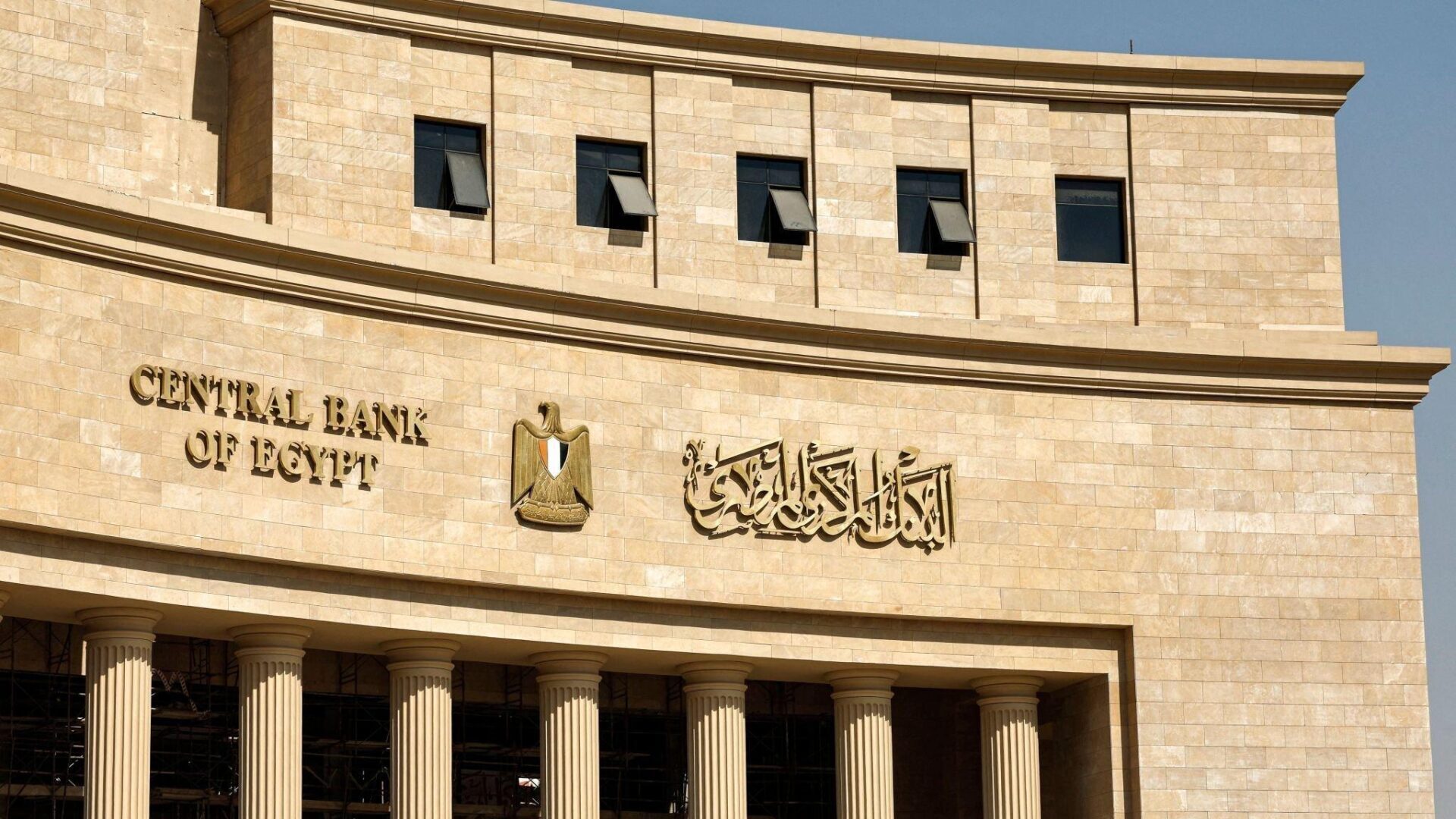
Egypt local currency trade plans took center stage this week as the country pressed for deeper cooperation among central banks from emerging economies. Egyptian officials used a major international summit to argue that nations should rely less on foreign currencies for everyday trade, and instead build stronger systems that let them pay each other directly in their own money. The push reflects growing concern about currency risk and rising global borrowing costs.
Speaking at the summit, Egyptian representatives said stronger central bank ties could help protect member economies from sudden swings in global markets. They pointed out that heavy reliance on a single foreign currency leaves smaller economies exposed when that currency’s value shifts sharply. By settling more trade in local currencies, Egypt hopes to reduce this risk while also cutting the cost of doing business with key partners.
The plan also calls for reformed global financial rules that give a bigger voice to developing nations. Egyptian officials argued that many international financial systems were built decades ago and no longer reflect today’s global economy. They want a more balanced approach that lets fast-growing regions, including Africa and parts of Asia, play a stronger role in shaping trade and lending rules.
Alongside these currency talks, Egypt has also been active in other economic projects this week. The country’s supply ministry reviewed a large bioethanol venture worth close to three hundred million dollars, involving cooperation with Italian firms. The project is part of a wider effort to diversify Egypt’s energy sources and build stronger industrial partnerships with European companies looking to expand in North Africa.
Egypt is also preparing to host a major water conference later this year, a sign of its growing focus on resource management alongside economic growth. Officials say water security and economic stability are closely linked, especially as the country continues to expand its population and industrial base. The event is expected to draw global attention to how nations can balance growth with limited natural resources.
Economic analysts say Egypt’s push for local currency trade fits into a broader trend among developing nations looking to reduce dependence on traditional financial powers. Several countries have explored similar ideas in recent years, though experts note that building trust between central banks takes time. Trade partners need confidence that local currencies will hold steady value before they commit to major shifts in how they do business.
Despite these challenges, Egyptian officials remain confident that steady, practical steps can build momentum over time. They have called for follow-up meetings among finance ministers to work out technical details, including how exchange rates would be managed and how disputes would be settled. If successful, the plan could reshape how Egypt and its trading partners handle billions of dollars in yearly commerce, giving the country a stronger hand in shaping its own economic future.
