


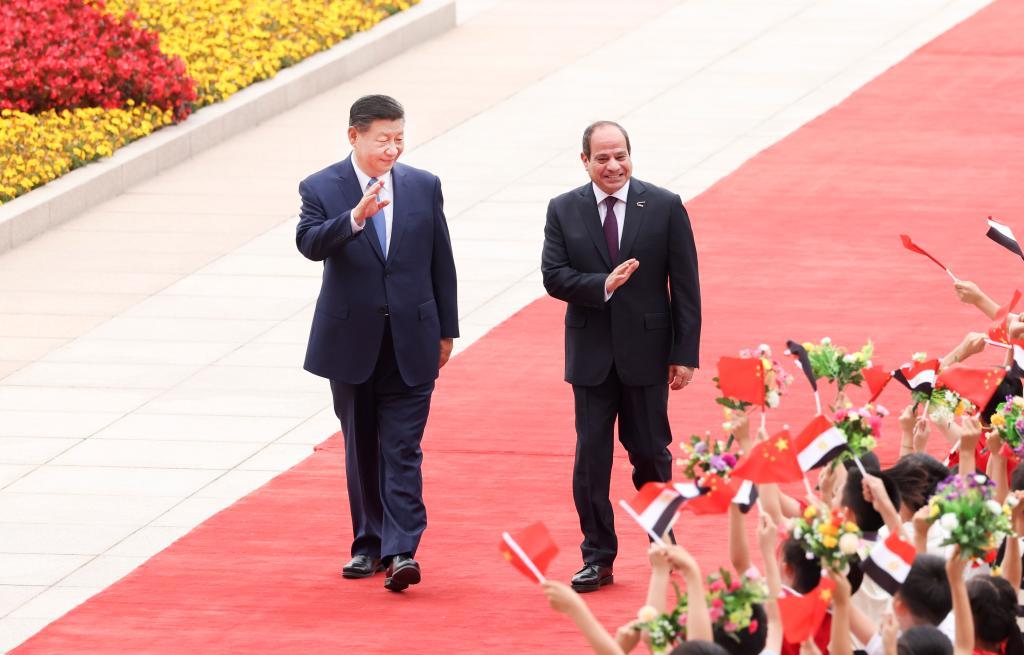
CAIRO, August 27, 2026 — Egypt is preparing for a major visit by Chinese President Xi Jinping. The visit is expected to give new weight to ties between Cairo and Beijing. It also comes at a time of high tension across the Middle East.
China said Xi will visit Egypt after attending the Shanghai Cooperation Organisation summit in Bishkek, Kyrgyzstan. The summit is set for August 30 to September 3. Xi will then travel to Egypt for talks with President Abdel Fattah al Sisi.
The trip will be closely watched in Cairo and beyond. It will be Xi’s first state visit to Egypt in ten years. The long gap makes the visit a key event in the ties between the two countries. Both sides are expected to discuss trade, investment and wider regional issues.
Egypt has long sought strong ties with China. Beijing has become an important trade and investment partner for Cairo. Chinese firms have also taken part in major projects in Egypt. These include work linked to transport, energy and the new urban area east of Cairo.
The visit also comes as Egypt faces pressure from several regional crises. The war in Gaza, tension in the Red Sea and problems around the Strait of Hormuz have placed new strain on the Egyptian economy. Egypt relies heavily on trade, tourism and income from the Suez Canal.
Egyptian Foreign Minister Badr Abdelatty recently warned that the country faces a mix of serious regional risks. He said the Gaza war, Red Sea attacks and the Hormuz crisis have created a major economic challenge for Egypt. He also said water security remains an existential issue for the country because of the Nile dispute with Ethiopia.
These issues could give the Xi visit a wider role. Cairo is not only seeking more trade. It also wants strong links with major world powers as the region changes. China has its own interests in the Middle East, including energy, trade routes and political stability.
The Suez Canal is especially important in this picture. The canal is a major route between Asia and Europe. Attacks on ships in the Red Sea have reduced traffic through the route and cut Egypt’s canal income. President Sisi said earlier this year that Egypt had lost billions of dollars in canal revenue because of regional conflict.
China also has a strong interest in safe trade routes. Much of its trade with Europe and the Middle East depends on stable sea links. Any long period of disruption can raise costs and delay goods.
For Egypt, deeper economic ties with China may offer new investment and trade options. Chinese companies may also find more chances to work on large projects. Cairo is seeking foreign investment as it works to improve growth and strengthen its finances.
The visit may also show how Egypt balances its relations with different powers. Cairo has close links with the United States and Europe. It also works with Gulf states and other regional powers. Strong ties with China give Egypt another major partner.
The timing is important as well. Egypt is trying to play a role in regional diplomacy. Cairo has been involved in efforts linked to Gaza and wider Middle East tensions. Its location gives it a central role in talks on regional security and trade.
Xi’s talks with Sisi are therefore likely to go beyond business. Regional security, global trade and political cooperation may all be part of the agenda. The two leaders may also discuss ways to protect economic links during a period of major uncertainty.
For Cairo, the visit offers a chance to deepen one of its most important Asian partnerships. For Beijing, it offers a chance to strengthen ties with a key Arab and African state. The outcome could shape China Egypt relations for years.
