


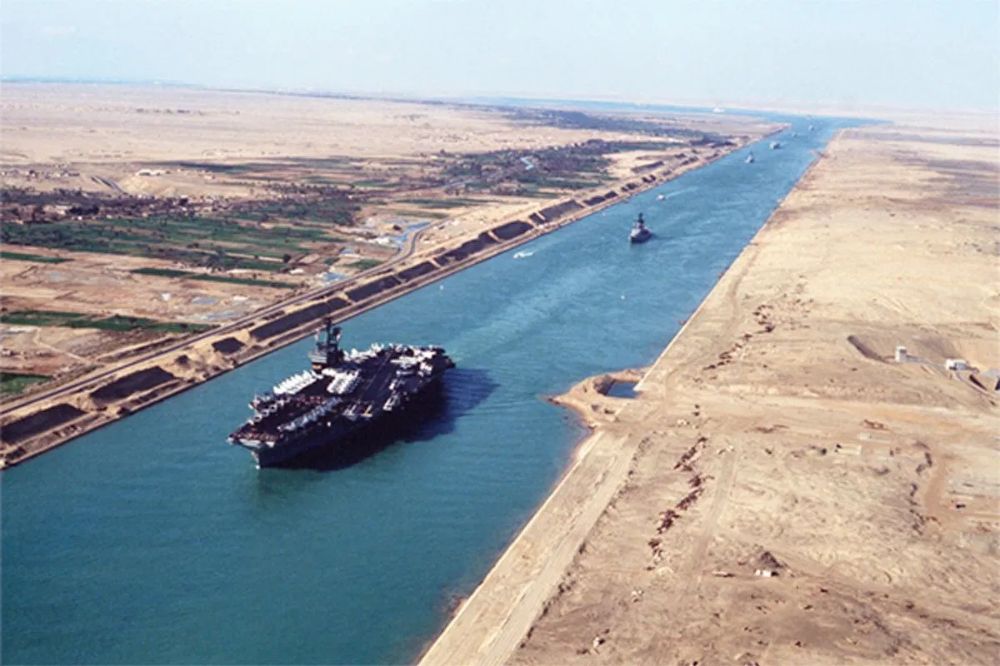
Egypt’s Suez Canal is showing its strongest signs of recovery in more than two years, as major global shipping lines slowly bring their vessels back to the historic waterway. New data shows nearly one thousand ninety ships passed through the canal in a recent four week span, the highest volume recorded since early 2024. That marks a steady climb from levels seen just months ago, when many carriers avoided the route due to regional security concerns.
The canal authority’s chairman says the numbers reflect growing confidence among shipping firms. Container ships and gas carriers are leading the rebound, with several major lines restarting full service on key routes between Asia and Europe. One shipping giant recently confirmed the complete return of its fleet to the canal, while another has begun a phased return across multiple trade lanes. Officials say this marks a new chapter after a long stretch of disrupted traffic.
Despite the gains, traffic still remains well below levels seen before the crisis began. Canal officials estimate current volumes sit around forty percent lower than normal, showing there is still a long way to go before full recovery. Many carriers continue to weigh safety and insurance costs carefully before committing vessels back to the route on a permanent basis. Some shipping companies are testing partial returns, moving only some of their scheduled voyages through the canal while keeping others on longer paths around Africa.
The financial impact has already started to show. Canal revenue climbed thirteen percent in the most recent quarter compared to the prior three months, reaching well over one billion dollars. Monthly income has also grown steadily, supported by rising ship traffic and heavier cargo loads. The canal remains one of Egypt’s top sources of foreign currency, alongside tourism, money sent home by workers abroad, and merchandise exports.
Egyptian officials have worked to rebuild trust among global shipping firms through direct outreach and marketing efforts. The canal authority has met with major carriers and foreign officials to encourage a full return to the route. Talks have also touched on deeper cooperation with other major canal operators, aiming to share lessons on managing large scale global trade routes. Handling roughly one in every eight tons of goods shipped by sea worldwide, the canal plays a central role in trade between Europe and Asia.
Analysts say the pace of recovery over the rest of the year will depend heavily on regional security and shipping costs. Insurance premiums for vessels using the route have stayed elevated compared to before the disruption began, and firms continue to weigh those costs against the time saved by avoiding the longer route around southern Africa. Some large carriers say conditions have improved enough to justify a full return, while others remain cautious given the unpredictable security situation nearby.
For Egypt, the stakes are high. The canal has long served as a pillar of the national economy, and its slowdown in recent years hit government revenue hard. A full recovery would ease pressure on public finances and support broader economic stability at a time when the country faces other economic challenges, including inflation and a need for steady foreign currency income.
Shipping experts expect the recovery to continue gradually rather than all at once, with carriers adding services step by step as confidence grows. For now, the rising ship counts and climbing revenue offer welcome relief for an economy that has waited a long time for the canal’s traffic to return closer to normal.
