


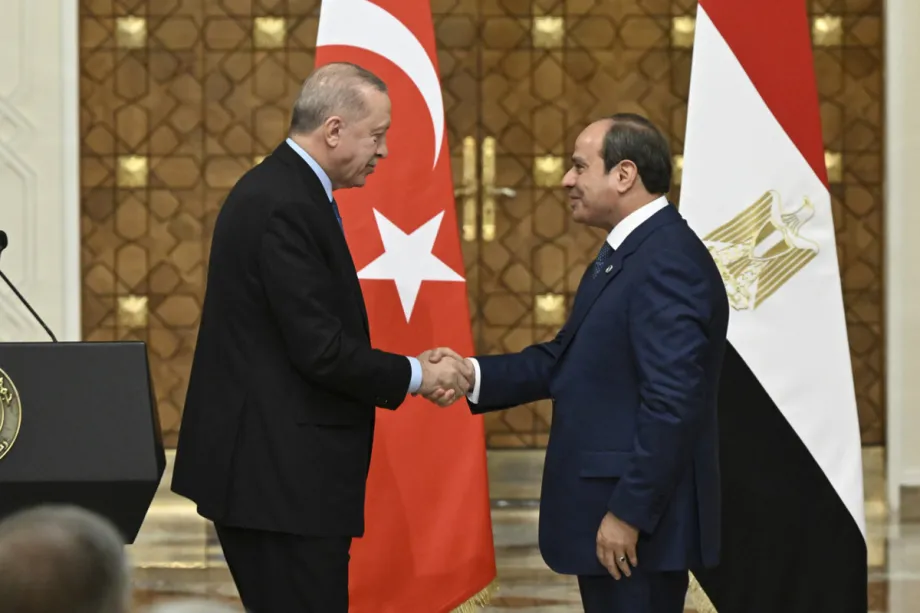
Egypt and Turkey are continuing to strengthen their relationship after years of political tensions, expanding cooperation in diplomacy, defense, and regional security. The growing Egypt Turkey Alliance marks a major shift from the rivalry that defined relations between the two countries for more than a decade.
The two nations restored full diplomatic relations three years ago after a long period of strained ties. Since then, leaders and senior officials have held regular meetings and described their relationship as increasingly strategic, with both governments seeking closer cooperation on shared regional interests.
Military cooperation has become one of the strongest areas of the renewed partnership. Egypt and Turkey have organized joint military exercises involving their naval, air, and special forces. The exercises, including operations known as Anatolian Star and Sea of Friendship, are intended to improve coordination and strengthen defense ties.
The two countries are also expanding cooperation in defense manufacturing. Egypt has shown interest in Turkish drone technology, while Turkey has benefited from Egyptian-made military vehicles and air defense equipment. Officials from both countries have also worked to coordinate defense exports to avoid competing in the same international markets, particularly in Africa and parts of the Arab world.
Turkey’s Defense Ministry said the two countries share deep historical and cultural ties that continue to support closer relations. A new defense cooperation memorandum was signed during a recent visit by Egyptian Defense Minister General Ashraf Salem Zaher to Ankara. The visit was his first overseas trip since taking office earlier this year, highlighting Egypt’s interest in expanding military cooperation.
Despite closer ties, Egypt and Turkey continue to hold different positions on several regional issues. Egypt has expressed concern over Turkey’s military presence in Syria and Libya. Cairo continues to support the withdrawal of all foreign military forces from Libya as part of efforts to achieve long-term political stability in the neighboring country.
At the same time, both governments have found common ground in other regional conflicts. Egypt and Turkey support Somalia’s territorial integrity and oppose international recognition of Somaliland as an independent state. Both countries have provided military training and security assistance to Somalia as part of broader regional stability efforts.
The two governments also share similar positions on the conflict in Sudan. Both support Sudan’s national armed forces and argue that preserving state institutions is important for preventing further instability during the country’s ongoing civil war.
Diplomatic cooperation has also expanded beyond defense matters. Egypt and Turkey have participated in mediation efforts aimed at reducing regional conflicts, including negotiations related to the Gaza conflict. They have also supported broader diplomatic initiatives alongside other regional partners seeking peaceful solutions to ongoing tensions in the Middle East.
The improvement in relations represents a major change from the years following the removal of former Egyptian President Mohammed Morsi in 2013. During that period, Ankara strongly criticized the political developments in Egypt, while relations between the two governments deteriorated significantly. Despite political disagreements, trade between the two countries continued throughout those years.
Today, officials from both sides describe the relationship as one based on mutual interests, practical cooperation, and shared regional goals. Analysts say both countries have increasingly chosen dialogue over confrontation while managing areas where disagreements remain.
Both Egypt and Turkey maintain diplomatic relations with Israel but have also criticized aspects of Israeli military operations in the region. Some Israeli political figures have expressed concern over the growing military capabilities and closer cooperation between the two regional powers. However, analysts note that the partnership is currently focused on regional security, diplomacy, economic cooperation, and defense development rather than direct military confrontation.
The expanding Egypt Turkey Alliance reflects changing political dynamics across the Middle East. As cooperation continues to deepen through defense agreements, diplomatic engagement, and regional initiatives, both countries appear committed to building a long-term partnership while managing differences through continued dialogue.
