


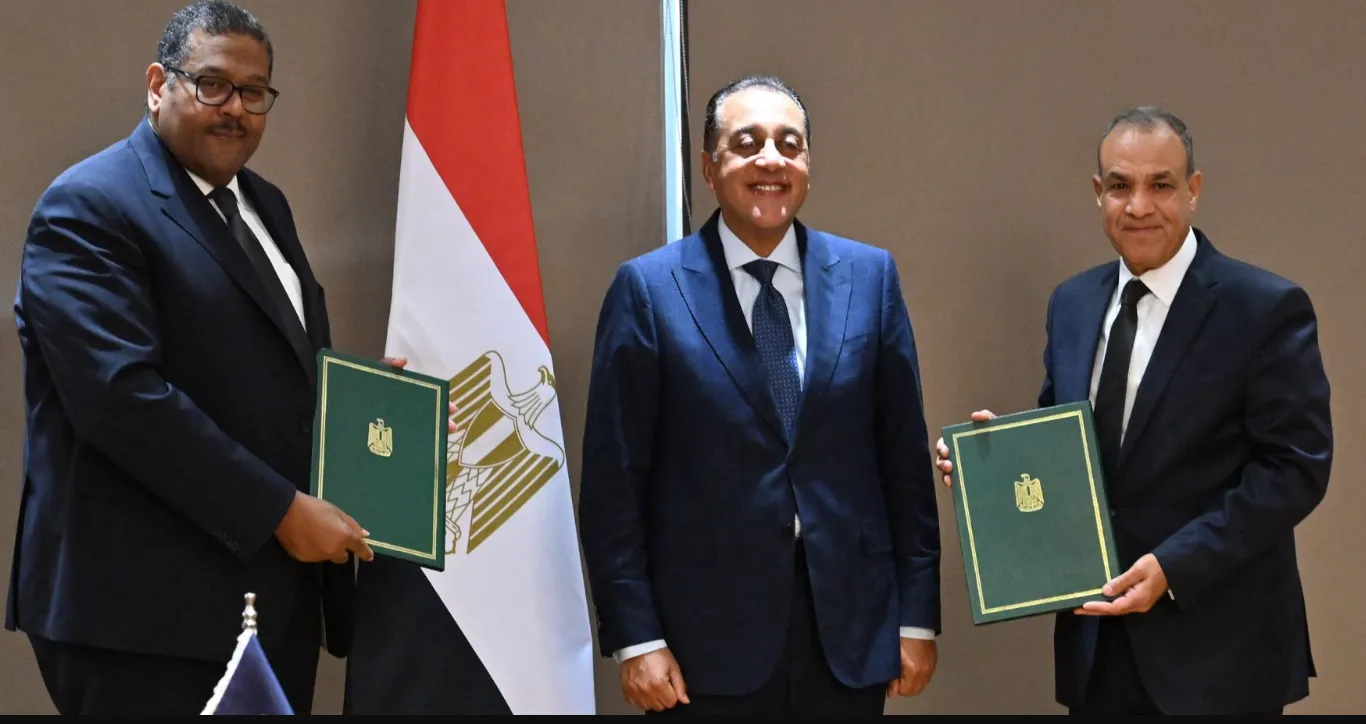
Egypt has formalised a one billion dollar financing agreement with the World Bank Group as the government works to manage its economic challenges and meet major external debt obligations. The agreement forms the second phase of a wider development policy financing programme.
The signing took place on November 1, but further analysis published on November 5 highlighted the scale of Egypt’s financing needs. The package is valued at around 48.3 billion Egyptian pounds and is intended to support economic reforms.
Foreign Minister Badr Abdelatty signed the agreement with Alwaleed Alatabani, the World Bank’s Division Director for Egypt, Yemen and Djibouti. Prime Minister Mostafa Madbouly attended the signing.
The programme covers several areas of economic reform. These include improving the management of state-owned companies, strengthening competition, improving tax collection and developing local debt markets. The reforms are intended to improve the business environment and reduce pressure on government financing.
The agreement comes at a time when Egypt faces substantial external debt payments. Data cited in the report put repayments and interest due between July 2026 and June 2027 at around 60.9 billion dollars. This makes access to international financing an important part of the government’s economic planning.
The country is also working with the International Monetary Fund on the final review of its existing financing programme. The review is important because it could determine whether Egypt receives the remaining funds available under the arrangement.
The World Bank agreement is part of a wider effort to support economic stability and improve the role of private businesses. Egypt has been trying to attract investment, strengthen public finances and reduce the cost of borrowing.
However, the financing package is only one part of the country’s wider financial needs. The government must also manage debt repayments, maintain access to foreign currency and support economic activity.
The programme’s success will depend on how effectively the reforms are implemented. Stronger competition, better management of state-owned companies and improved tax collection could help create a more stable business environment.
The latest agreement provides Egypt with additional financial support and a framework for economic reform. Its longer-term impact will depend on whether the government can turn the commitments into practical improvements for businesses and households.
