


Egypt’s parliament has approved a new national economic and social development plan for the 2026/27 fiscal year, setting an ambitious target of EGP 24.5 trillion in gross domestic product. The plan is part of a wider strategy to accelerate growth, expand public services, and strengthen long term development across the country.
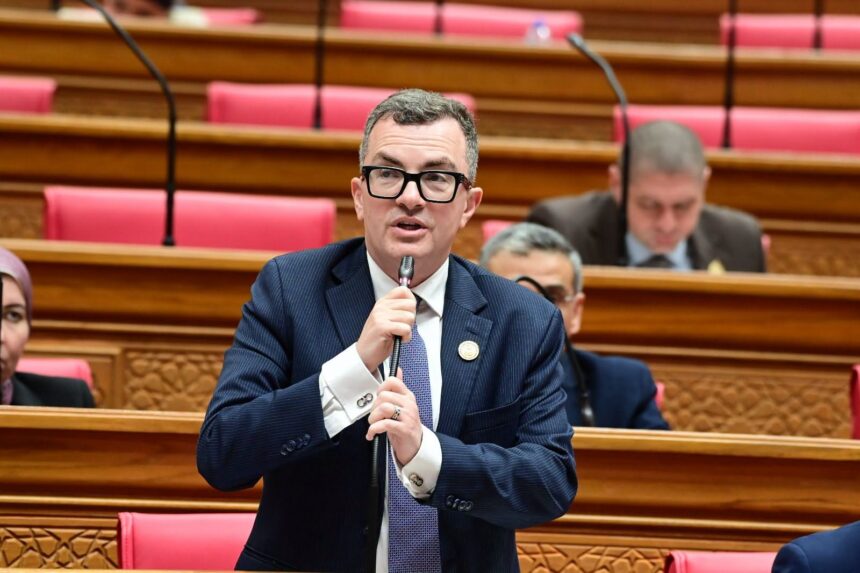
The approval was announced by Minister of Planning and Economic Development Ahmad Rostom after the House of Representatives gave final consent to the plan, the state budget, and a medium term development framework extending to 2029/30. The session was chaired by Speaker Hesham Badawi.
Officials said the GDP target is based on structured economic planning aligned with international standards. Rostom explained that all calculations follow strict scientific methods and global frameworks to ensure accuracy and transparency in national economic reporting.
The government said it aims to achieve a major economic shift through increased investment and tighter control over public spending. Each allocation in the new plan will be closely monitored to ensure funds are used according to their intended development goals.
A major feature of the 2026/27 plan is a strong focus on human development. Spending on health is set to rise by 39.5 percent, while education funding will increase by 25 percent. Officials described these sectors as essential investments in the country’s future workforce and long term productivity.
Investment in local development and governorates will also increase by 13.4 percent, reaching EGP 39 billion. The government said these funds will directly support infrastructure and public services in regional areas, helping reduce gaps between urban and rural communities.
The planning ministry has introduced new digital monitoring systems to improve transparency and efficiency. These systems link planning and finance databases and are connected to the National Investment Bank. Officials said this will ensure that completed projects are quickly activated and properly funded.
The government has also tightened rules for approving new projects. Only initiatives with clear strategic value and detailed feasibility studies will be accepted. Authorities said all projects must align with Egypt Vision 2030, the government’s development program, and the State Ownership Policy Document.
Regular field inspections will also be used to track progress on ongoing projects. Officials said agencies will be evaluated based on how effectively they use allocated budgets and whether projects are completed on schedule.
Public service development remains a central priority in the new plan. Key programs include the “Haya Karima” initiative, also known as Decent Life, which focuses on improving living conditions in rural areas, and the rollout of the universal health insurance system.
The first phase of Haya Karima has already cost EGP 425 billion and is estimated to have benefited around 18 percent of Egypt’s population. The second phase will expand to 1,667 villages across 52 administrative centres and is expected to reach more than 21 million people in rural communities.
Officials said these initiatives are designed to improve infrastructure, healthcare access, and living standards across Egypt’s countryside. The government views them as central to its broader strategy of inclusive development and poverty reduction.
The new economic plan reflects Egypt’s continued push to modernise its economy while expanding public investment in essential services. Authorities say the focus on health, education, and rural development will play a key role in achieving long term growth targets and improving overall economic stability.
