


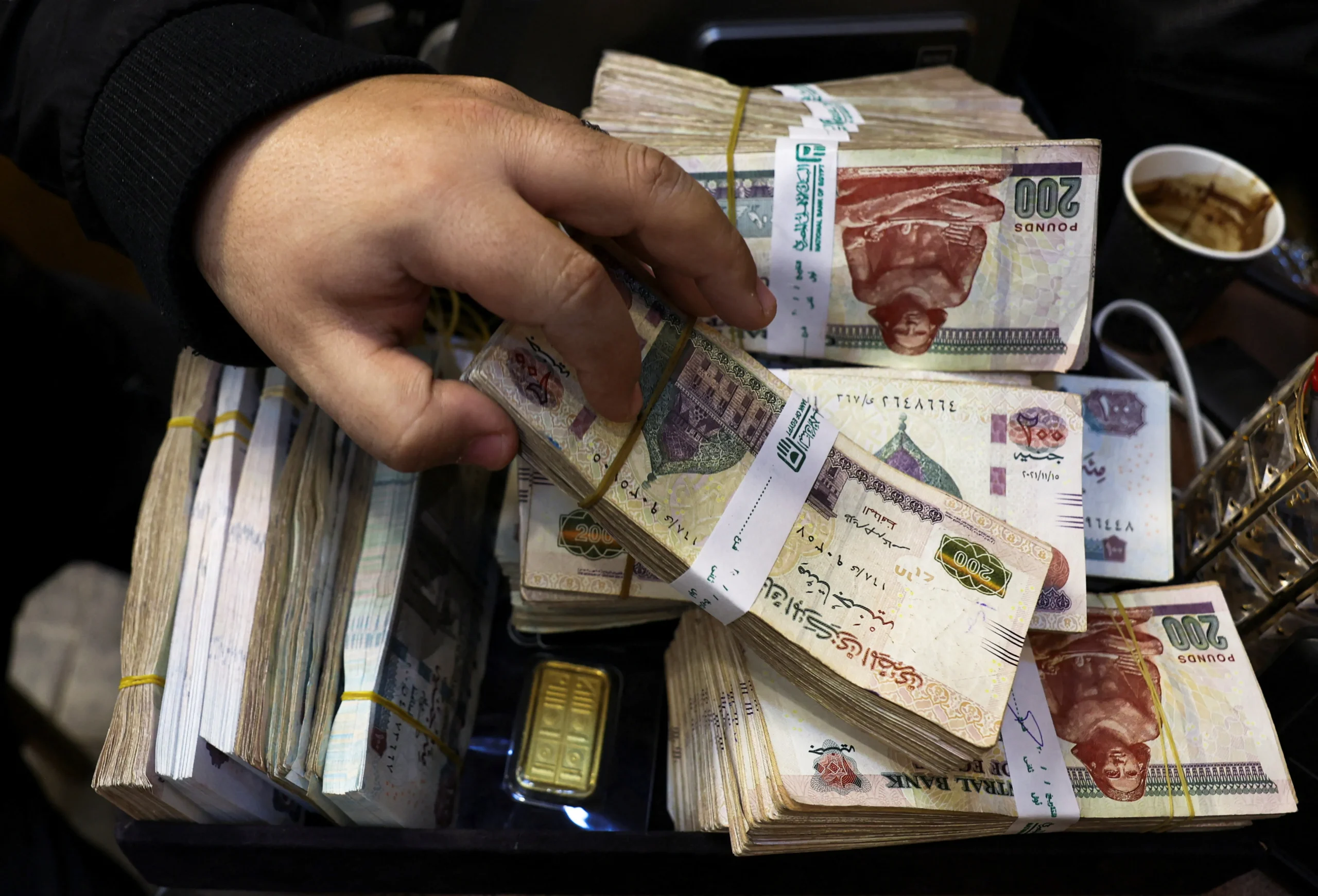
Egypt’s foreign currency reserves reached a new record of around $57.5 billion at the end of October 2026, according to figures released by the Central Bank of Egypt. The latest total marks a rise from the previous month and gives the country a stronger reserve position.
The central bank reported that net international reserves stood at $57.4998 billion at the end of October. This was an increase of about $151.6 million from September, when reserves reached approximately $57.3482 billion. The latest rise continues a longer period of growth in the country’s foreign currency holdings.
Since December 2025, Egypt’s reserves have increased by around $6.05 billion. At that time, the total stood at roughly $51.45 billion. The continued growth reflects foreign currency entering the country through several important sources, including tourism, exports, overseas remittances and foreign investment.
Money sent home by Egyptians working abroad remains a major source of foreign currency. Remittances reached $33.9 billion during the first eight months of 2026. Total inflows exceeded $47.3 billion during the 2025–2026 financial year, according to the reported figures.
Foreign reserves are important because they help a country pay for imports, meet international financial obligations and support confidence in its economy. A stronger reserve position can also help the central bank manage pressure on the national currency.
However, the monthly increase was relatively small compared with the overall reserve total. Egypt will need to maintain stable foreign currency inflows to support further growth. Tourism, exports, investment and remittances are likely to remain important parts of that effort.
The new record provides a positive economic indicator for Egypt, although the country’s wider financial position will continue to depend on its ability to attract investment, expand exports and maintain steady sources of foreign currency.
